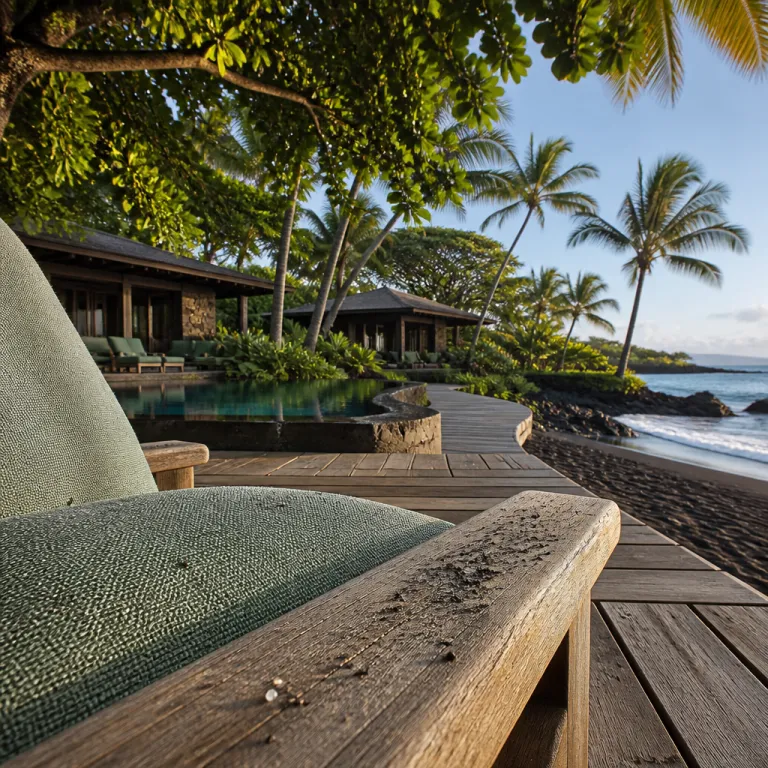
Why the best beaches on the Big Island matter for luxury travelers
Choosing where to stay near the best beaches on the Big Island shapes your entire luxury escape. On this vast island in Hawaii, distances feel big, so aligning your hotel with the right sand beach or series of sand beaches saves time and elevates every day. When you match a refined resort to the right beach park, you turn simple swimming and snorkeling into a curated coastal experience.
The Big Island offers more than 80 island beaches, ranging from white sand coves to dramatic black sand bays and even one rare green sand shore. According to the Hawaii Tourism Authority’s island profiles, the island’s coastline stretches over 260 miles, which helps explain why these beaches feel so varied. This diversity means that the best beaches are not only beautiful but also highly specialized, with some ideal for calm water swimming and others framed by rugged lava cliffs. For guests booking premium suites, understanding which beaches big families prefer and which coves suit quiet couples is essential before you confirm a room.
Luxury travelers often focus on the Kohala Coast, where many of the most beautiful white sand beaches and high end properties sit side by side. Here, the coastline feels open and sun drenched, with clear water and gentle surf that suits relaxed snorkeling right from the shore. On the windward side of the island, near Hilo and the lush green landscapes, you will find fewer classic sand beaches but more dramatic lava formations and a cooler, wilder atmosphere.
Because the island is so big, you should think in terms of coastal zones rather than a single favorite beach. The sunny Kona and Kohala Coast areas offer the best beaches for guests who want to step from suite to sand in minutes. The eastern side rewards travelers who value rainforest, waterfalls, and a quieter pace more than daily swimming in a white sand bay.
When you browse a luxury and premium hotel booking website focused on Hawaii’s Big Island, filter by beachfront access and walking distance to specific named beaches. Properties near Hapuna Beach, Mauna Kea Beach, Kua Bay, and other renowned sand beaches usually highlight this in their descriptions, and for good reason. These stretches of coast combine soft sand, clear water, and reliable weather, which is exactly what discerning guests expect from the best beaches on the Big Island.
Hapuna Beach and Mauna Kea Beach: refined stays on the Kohala Coast
Hapuna Beach on the Kohala Coast is often ranked among the best beaches on the Big Island for its long arc of white sand and consistently clear water. The Hawaii Department of Land and Natural Resources (DLNR) lists Hapuna as one of the island’s largest developed beach parks, with lifeguards typically on duty daily from mid-morning to late afternoon. Luxury hotels and premium resorts cluster near this sand beach because it offers gentle entry for swimming and easy access for families carrying gear. When you stay nearby, sunrise walks along the coast and unhurried afternoons in the bay become part of your daily rhythm.
Hapuna Beach State Recreation Area functions almost like a natural extension of the neighboring resorts, with lifeguards, restrooms, and a structured parking lot that simplifies logistics. The main parking area, just mauka of the sand at roughly 20.003° N, 155.826° W according to state park maps, can fill by late morning on busy days. Guests who book high end rooms here appreciate that the state park infrastructure keeps the sand beaches clean and the swimming zones well monitored. Because the beach park is popular, arriving early from your hotel ensures convenient parking and a quieter stretch of white sand.
Just north, Mauna Kea Beach, sometimes called Kaunaʻoa Bay, offers another of the island’s most beautiful white sand beaches. The bay curves gently, sheltering the water and creating ideal conditions for relaxed snorkeling along the rocky edges and calm swimming closer to shore. Luxury properties above Mauna Kea Beach often provide beach attendants, cushioned loungers on the sand, and seamless towel service, which turns a simple beach day into a polished coastal ritual.
Access to Mauna Kea Beach for non guests is limited by the number of public parking spaces, which local visitor guides commonly estimate at around 40 stalls issued on a first-come, first-served basis. A concierge at one Kohala Coast resort likes to warn guests, “If you want a public parking pass at Mauna Kea, treat it like a morning tour and be there right after breakfast.” Staying at the adjacent resort therefore gives you effortless entry to one of the best beaches on this part of the Big Island. From your room, you can watch the light shift across the bay and then step down for an evening swim in the warm water. The combination of controlled parking, manicured grounds, and natural beauty makes this one of the most coveted island beaches for premium stays.
When comparing Hapuna Beach and Mauna Kea Beach on a hotel booking platform, look closely at how each property describes its beachfront. Some resorts sit directly on the sand beach, while others are slightly elevated above the coast with paths leading down to the water. For a broader overview of how these two bays fit into the island’s lodging map, consult a detailed Big Island accommodation guide for every region and style before finalizing your reservation.
Kua Bay, Manini ʻOwāli, and Kekaha Kai: secluded elegance near Kona
North of Kona, Kua Bay, also known as Manini ʻOwāli, has become a favorite among travelers seeking the best beaches on the Big Island with a slightly more secluded feel. Here, the white sand contrasts sharply with dark lava, and the water glows an intense turquoise on clear days. Luxury guests often pair a stay in a refined Kona resort with day trips to this bay for swimming and sunbathing on a less developed stretch of coast.
Kua Bay sits within Kekaha Kai State Park, a rugged coastal area that protects several sand beaches and lava fields. The paved access road off Queen Kaʻahumanu Highway leads to a compact parking lot near 19.828° N, 155.994° W, coordinates that appear on DLNR park information. The surroundings remain relatively wild compared with the manicured grounds of Kohala Coast resorts. This balance appeals to premium travelers who want a beautiful sand beach and clear water without sacrificing the sense of being on a raw volcanic island.
Manini ʻOwāli’s shorebreak can be powerful during winter swells, so strong swimmers and confident snorkelers enjoy it most when the water is calm. On gentle days, the bay offers excellent swimming and casual snorkeling close to shore, with fish visible even in the shallows. Because there is no large beach park infrastructure, many luxury travelers rely on hotel concierges to arrange transport, shade equipment, and curated picnic setups on the sand.
Elsewhere in Kekaha Kai State Park, other sand beaches such as Mahaiʻula and Makalawena require short hikes over lava but reward the effort with quieter stretches of white sand. Guests staying in high end Kona properties often schedule these as half day excursions, combining a scenic drive along the coast with time on nearly empty island beaches. One local guide likes to describe this coastline as “where the lava still feels fresh under your feet, but the water is as gentle as any resort pool” on the calmest days.
For travelers who want a hotel directly by the sea rather than a short drive away, focus your search on refined beachfront escapes along the Kona and Kohala Coast corridors. Many curated booking platforms highlight a dedicated section for the best hotels on the Big Island for a refined beachfront escape, which often includes properties with easy access to Kua Bay and other nearby beaches. Using these filters ensures that your chosen suite aligns with your preferred balance of wild coast and polished service.
Black sand, green sand, and the drama of volcanic beaches
One reason the best beaches on the Big Island feel so distinctive is the presence of black sand and even green sand shores shaped by lava and rare minerals. Punaluʻu Beach on the southern coast is the island’s most famous black sand beach, with jet black grains formed from cooled lava fragments. Luxury travelers often visit on guided day trips from Kona or the Kohala Coast, pairing their beachfront hotel stay with an excursion to this dramatic bay.
Punaluʻu functions as both a scenic beach park and a wildlife viewing area, where honu, or Hawaiian green sea turtles, frequently rest on the black sand. Facilities such as restrooms, picnic tables, and a structured parking area make it accessible even for guests arriving in private transfers from premium resorts. The main access lies just off Highway 11 near 19.136° N, 155.504° W, a location referenced on county and state park maps, which makes it a logical stop on a south island driving loop. Because the water can be cooler and rougher here than at west coast sand beaches, many visitors focus on photography and short walks along the lava lined shore rather than extended swimming.
Farther south, Papakōlea Beach offers one of the world’s few true green sand beaches, created by olivine crystals eroding from an ancient cinder cone. Reaching this bay requires either a challenging hike of several kilometers across exposed lava terrain or a ride in a local four wheel drive vehicle, so it is not a casual stop. For luxury guests, arranging this outing through a concierge or private guide ensures safe transport, adequate water supplies, and respect for the fragile green sand environment.
Because both black sand and green sand beaches are geologically sensitive, responsible visitation is essential for every traveler, regardless of budget. Staying on marked paths, avoiding removal of any black sand or green sand, and keeping distance from wildlife all help preserve these unique island beaches. Many high end hotels now emphasize eco conscious messaging in their pre arrival communications, encouraging guests to treat these best beaches as living volcanic museums rather than simple swimming spots.
When planning your itinerary from a hotel booking website, consider pairing several days on a classic white sand beach near Kona or the Kohala Coast with one or two excursions to these darker, lava formed shores. This contrast deepens your understanding of how the Big Island continues to evolve, with new black sand beaches sometimes forming after eruptions reshape the coast. The result is a trip that feels both indulgent and educational, anchored in the natural drama that defines Hawaii’s largest island.
Family friendly sands: Spencer Beach Park, Waialea Bay, and gentle coves
Families searching for the best beaches on the Big Island often prioritize gentle water, shade, and reliable facilities over raw drama. Spencer Beach Park, just north of the main Kohala Coast resort zone, delivers exactly that combination with a broad sand beach, calm water, and a grassy park behind the shore. For guests staying in luxury suites nearby, this beach park offers a relaxed alternative to more exposed bays, especially on breezy days.
Spencer Beach Park features a well organized parking lot, picnic tables, and restrooms, making it easy for families to spend a full day by the water. The offshore reef helps keep the bay relatively protected, so swimming and casual snorkeling feel comfortable even for less experienced ocean lovers. County of Hawaiʻi Parks and Recreation notes that this park is one of the few on the west side with both camping facilities and a large pavilion, which multi generational groups often reserve for gatherings. Many premium hotels along the coast recommend this spot for multi generational groups who want a beautiful but low stress sand beach within a short drive.
Waialea Bay, sometimes referred to as Beach 69, lies slightly south and offers a more intimate feel while still ranking among the best beaches in this region. The white sand here is punctuated by trees that provide natural shade, and the nearshore reef supports excellent snorkeling when the water is clear. Luxury travelers often appreciate that the bay feels less developed than larger island beaches, yet still offers a designated parking area and a short, manageable walk to the shore.
Because Waialea Bay can experience seasonal sand shifts, with more exposed lava and rock during winter months, it rewards guests who value snorkeling and coastal scenery as much as lounging on a wide sand beach. Hotel concierges familiar with these patterns can advise whether Spencer Beach Park, Waialea Bay, or another nearby cove will offer the best conditions during your stay. This local insight is especially valuable on a big island where microclimates and swell directions change quickly.
For travelers basing themselves on the greener, rainier side of the island near Hilo, the coastline offers fewer classic white sand beaches but abundant lava tide pools and scenic promenades. If you are considering this side for part of your trip, consult a specialized guide to where to stay in Hilo on the island’s green side to understand how beachfront access differs from the Kohala Coast. Combining a few nights in this lush region with time near Spencer Beach Park or Waialea Bay creates a balanced itinerary that showcases both sides of Hawaii’s largest island.
Snorkeling, swimming, and practical tips for booking beachfront luxury
For many guests, the best beaches on the Big Island are defined by how well they support snorkeling and swimming directly from the sand. Bays such as Waialea, Kua Bay, and the coves near Hapuna Beach offer clear water and accessible reef structures that suit both beginners and more confident snorkelers. When browsing a luxury hotel booking website, look for properties that highlight guided snorkeling experiences, on site gear rental, or direct access to these specific island beaches.
Snorkeling conditions vary by coast and season, with the leeward Kona and Kohala Coast generally offering calmer water and better visibility than the windward side. Many premium resorts provide daily ocean condition boards in their lobbies, helping guests decide whether Hapuna Beach, Mauna Kea Beach, or another nearby sand beach will offer the best experience that day. For families, choosing a hotel near a bay with a gentle entry and lifeguard presence can transform ocean time from a concern into a highlight.
Parking is another practical factor that shapes how you enjoy the best beaches on this big island. Some bays, such as Mauna Kea Beach, limit public access through a small parking lot, which fills early and favors guests staying at the adjacent resort. Others, like Spencer Beach Park or Punaluʻu’s black sand bay, offer larger parking areas but may require a longer drive from luxury hotels concentrated along the Kohala Coast.
When evaluating beachfront and near beachfront properties, pay attention to how they describe access to both sand beaches and rocky lava shoreline. A hotel perched on a lava cliff may offer spectacular views of the coast but require a short shuttle ride to reach a true white sand beach suitable for swimming. Conversely, a resort directly on a sand beach such as Hapuna or a cove near Kua Bay allows you to move from suite to water in minutes, which many guests consider the defining feature of the best beaches on the Big Island.
Responsible enjoyment of these beaches also matters, especially as interest in eco tourism and snorkeling continues to grow. Simple habits such as using reef safe sunscreen, avoiding contact with coral, and respecting posted guidelines at each beach park help preserve both white sand and black sand shores for future visitors. As one local information source notes, “Bring sun protection. Check local conditions before visiting. Respect wildlife and natural habitats.”
Aligning your hotel choice with the island’s coastal character
Every stretch of coast on the Big Island offers a different relationship between lava, sand, and water, and your hotel choice should reflect which of the best beaches you value most. The Kohala Coast concentrates many of the island’s premier white sand beaches, including Hapuna Beach, Mauna Kea Beach, and family friendly coves near Spencer Beach Park. Guests who prioritize daily swimming, easy snorkeling, and polished beachfront service usually find their ideal match in this region.
The Kona area, while more urban, provides convenient access to Kua Bay, Manini ʻOwāli, and the rugged shores of Kekaha Kai State Park, where white sand beaches meet raw lava landscapes. Staying in a luxury property here suits travelers who enjoy combining mornings on a sand beach with afternoons exploring coffee farms, cultural sites, or snorkeling cruises along the coast. Because the island is big, basing yourself in Kona also shortens the drive to southern highlights such as Punaluʻu’s black sand beach.
On the eastern, greener side of the island, hotels near Hilo place you closer to waterfalls, botanical gardens, and dramatic lava cliffs rather than classic white sand beaches. This region appeals to guests who value cool nights, lush scenery, and a quieter pace, accepting that the best beaches for swimming and snorkeling may require a drive back toward the leeward coast. Many sophisticated itineraries therefore split time between a Kohala Coast resort and a shorter stay near Hilo to experience both sides of Hawaii’s largest island.
When using a premium hotel booking website, filter by beachfront, oceanfront, or short walk to beach, then cross reference those results with a map of the island’s named bays and beach parks. Properties that sit directly on or near Hapuna Beach, Mauna Kea Beach, Kua Bay, or Waialea Bay will usually mention these names prominently, as they are widely recognized among the best beaches on the Big Island. Reading guest reviews with an eye for comments about sand quality, water clarity, and ease of access from room to shore can further refine your choice.
Ultimately, the most satisfying luxury stays align your preferred style of beach, whether white sand, black sand, or even a day trip to green sand, with the character of the surrounding coast. By understanding how each region’s beaches big and small relate to nearby hotels, you can design a trip that feels both indulgent and deeply connected to Hawaii’s volcanic landscape. That alignment between place, property, and the sea is what turns a simple reservation into a memorable beachfront escape.
Key figures about Big Island beaches and coastal stays
- The Big Island features around 80 distinct beaches, according to the Hawaii Tourism Authority, which means travelers can choose from dozens of sand beaches, rocky coves, and lava framed bays when planning a stay.
- Hapuna Beach, Kua Bay, Waialea Bay, Punaluʻu, and Papakōlea are all accessible year round, so luxury guests can reliably plan visits to these best beaches in any season, adjusting only for swell and wind conditions.
- Many of the most popular white sand beaches, including Hapuna Beach and Mauna Kea Beach, sit on the leeward Kohala Coast, which statistically receives far fewer rainy days than the windward Hilo side, increasing the odds of clear water and sunny swimming conditions.
- Papakōlea’s green sand beach requires a several kilometer hike or a ride in a four wheel drive vehicle, so travelers should allocate at least half a day from their hotel to visit this remote bay safely and responsibly.
- Growing interest in eco tourism and snorkeling on the Big Island has led many high end hotels to promote reef safe practices and guided ocean activities, helping to protect coral ecosystems near popular sand beaches.
FAQ about the best beaches on the Big Island for luxury stays
Is Papakōlea Beach accessible by car from my hotel ?
Papakōlea Beach is not directly accessible by standard car, even if you are staying in a luxury resort. Reaching this remote green sand bay requires either a hike of several kilometers from the nearest parking area or a ride in a local four wheel drive vehicle operated by drivers familiar with the lava terrain. Most high end hotels can arrange guided excursions that handle transport, timing, and safety considerations for you.
Are there facilities at Punaluʻu’s black sand beach ?
Punaluʻu’s famous black sand beach offers more infrastructure than many visitors expect, which makes it a practical stop on a day trip from Kona or the Kohala Coast. Facilities include restrooms, picnic tables, and a structured parking area, so you can comfortably spend an hour or more walking the bay and watching for green sea turtles. Because swimming conditions can be variable, many luxury travelers treat this stop as a scenic and cultural visit rather than a primary swimming beach.
Is snorkeling good at Waialea Bay for guests staying on the Kohala Coast ?
Snorkeling at Waialea Bay is widely regarded as excellent, especially during calm summer months when the water is clear and the reef is well protected. Guests staying at nearby Kohala Coast resorts often drive a short distance to the bay, park in the designated lot, and walk a brief trail to reach the white sand shore. Because conditions can change with swell and season, checking with your hotel concierge or a local snorkel shop before heading out is always wise.
Which area should I choose if I want daily swimming on a white sand beach ?
For guests who want to swim every day on a classic white sand beach, the Kohala Coast is usually the best choice. This region includes Hapuna Beach, Mauna Kea Beach, and several smaller coves that combine soft sand, clear water, and relatively calm conditions. Booking a luxury hotel directly on or very near these bays ensures that you can move from room to water in just a few minutes.
How can I balance luxury comfort with visits to more rugged volcanic beaches ?
A practical approach is to base yourself in a beachfront resort near Kona or the Kohala Coast, then schedule guided day trips to more rugged volcanic sites such as Punaluʻu’s black sand beach or Papakōlea’s green sand bay. This way, you enjoy polished service, easy swimming, and refined dining at your hotel while still experiencing the island’s dramatic lava landscapes. Working with concierges or local tour operators ensures that transport, timing, and safety are handled professionally for each outing.