Discover what “beachfront” really means in Kailua-Kona, from lava-rock coves to compact sandy bays, plus who enjoys oceanfront hotels here most and how to choose the right Kailua-Kona base on the Big Island.
Staying oceanfront in Kailua-Kona: is it the right choice?
Waves hitting black lava rock just below your lanai, the low thrum of live music drifting from an open air bar, paddlers crossing Kailua Bay at first light. A beachfront hotel in Kailua-Kona is about proximity – not only to the Pacific, but to the island’s daily rhythm. If you want to step from your room to the beach or seawall in minutes, this is where Kona Hawaiʻi feels most immediate.
The coastline around Kailua-Kona is more rugged than postcard-perfect. You will not find endless flat sand like in Waikīkī. Instead, expect small man-made coves, narrow strips of pale sand, and oceanfront platforms carved into lava rock. The reward is intimacy with the sea: bay views, the sound of the surf, and sunsets that turn the whole village gold.
This area suits travelers who value atmosphere and access over seclusion. You stay here to walk Aliʻi Drive in the evening, to enjoy ocean activities leaving directly from the harbor, to discover cafés and galleries without ever getting in a car. If your vision of a beach resort is a vast, isolated property with golf and multiple pools, the Kohala Coast near Mauna Kea may be a better match. For a compact, walkable base on the Big Island, Kailua-Kona’s beachfront strip is hard to beat.
The coastline: what “beachfront” really means in Kailua-Kona
Aliʻi Drive is the spine of Kailua-Kona’s waterfront, running roughly parallel to the ocean from the harbor southwards. Many so-called beachfront accommodations sit directly on this road, with the Pacific just beyond a low wall or narrow strip of sand. Some properties front a true swimming beach, others overlook a rocky shoreline where waves explode against dark lava. The distinction matters if you plan to swim every day.
In the heart of the village, near the small pier and historic sites, you are more likely to find compact beaches and protected coves. These are ideal for a quick dip or a gentle paddle aboard an outrigger canoe tour, but they can feel busy at peak times. A few hundred metres south, the coast becomes more rugged, with dramatic oceanfront views and better privacy, though direct sandy access may be limited.
Families often prefer the calmer sections of Kailua Bay, where the water is relatively sheltered and lifeguards may be present. Snorkellers and confident swimmers might choose a hotel perched above deeper water, where the reef drops off quickly and the experience feels wilder. When you read “beachfront hotel Kailua-Kona”, look closely at photos of the shoreline: is it sand, rock, or a mix of both? That single detail will shape your daily routine.
Atmosphere and experiences: who each area suits best
Steps from the harbor, the mood is lively. Canoe clubs train at dawn, cruise tenders shuttle passengers ashore, and the promenade fills with people by late afternoon. A beachfront stay here suits travelers who like energy: you can walk to cafés, watch the sunset from a lounge, relax with a drink, and listen to live music without leaving the village. The trade-off is more noise and less sense of escape.
Further along Aliʻi Drive, oceanfront hotels become quieter, with more space between buildings and a stronger connection to the elements. You might fall asleep to the crash of the Pacific rather than the hum of the bar scene. This stretch works well for couples, solo travelers, or anyone who wants the convenience of Kona without feeling in the middle of a crowd.
Compared with the resort zone near Mauna Kea on the northwestern coast, Kailua-Kona feels more authentically Hawaiian in daily life. You see residents meeting friends at the seawall, paddlers storing canoes, and small shops selling local state art and crafts rather than only resort boutiques. If you want a polished, master-planned resort best suited to long days by the pool, head north. If you prefer a lived-in village with history and texture, stay here.
Rooms, views and amenities: what to check before you book
Oceanfront in Kona is not a single category. Some rooms sit almost at water level, with sliding doors opening to lawns that end at the seawall. Others are higher up, trading immediate access for sweeping views over the bay. When you compare accommodations, look for clear wording: “ocean view” can mean a partial glimpse between buildings, while “oceanfront” usually indicates a direct line to the water.
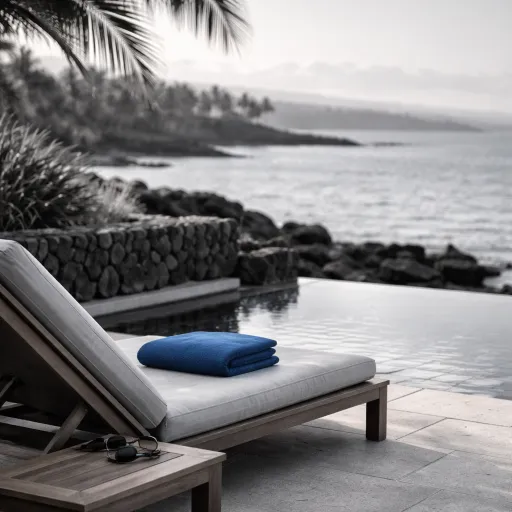
Many beachfront hotels in Kailua-Kona offer pools positioned to capture sunsets, sometimes with lava rock accents and shallow ledges for lounging. A few properties add a small spa, simple but welcome after a day of exploring the Big Island’s interior. Fitness centers tend to be compact yet functional, with enough equipment for a morning workout before you head out to discover the island.
On the activity side, expect easy access to snorkelling, stand-up paddleboarding, and boat trips. Some hotels partner with local operators for manta ray night excursions, dolphin watching, or coastal cruises. Tennis courts are less common right in the village, but several resorts on the wider island offer tennis and even tennis–pickleball combinations for guests willing to drive. If these sports are essential to your stay, verify availability rather than assuming every beach resort will provide them.
Location on the Big Island: using Kailua-Kona as a base
From the seawall in central Kailua-Kona to the slopes above town, the island rises quickly. Staying at sea level gives you a unique perspective on the Big Island’s volcanic profile: the mass of Hualālai behind you, the open Pacific in front. For day trips, this is a practical base. The airport lies only a short drive north, and the main highway makes it straightforward to reach coffee country, lava fields, and the island’s higher elevations.
South of town, the road threads through historic coffee villages and old lava flows. You can leave your beachfront hotel after breakfast, visit a farm where beans are still hand-picked, swim at a sheltered bay, and be back in time to enjoy sunset from your balcony. Northwards, the landscape dries out into golden grasses and dark rock, leading eventually to the more secluded resort enclaves and the slopes that rise toward Mauna Kea.
For travelers planning to explore both coasts, a few nights in Kailua-Kona followed by time on the Kohala Coast can work well. Kona gives you the village feel, the harbor, and the sense of being in the island’s everyday life. The northern resorts offer broader beaches, larger pools, and a more insulated resort experience. Neither is objectively better; they simply answer different versions of a Hawaiʻi trip.
Who will enjoy a beachfront hotel in Kailua-Kona most?
Couples who like to walk out for dinner, listen to live music, and return along the bay by moonlight tend to thrive here. The scale of the village keeps everything close: from your room to the nearest restaurant might be a five-minute stroll along Aliʻi Drive. If you enjoy people-watching as much as ocean views, this is your stretch of coast.
Families with older children also do well in Kailua-Kona. Easy access to ocean activities, from snorkel trips to outrigger canoe outings, keeps days varied without long drives. Younger children can enjoy the pool and small beaches, while adults appreciate having cafés, shops, and a place to lounge, relax, and watch the sunset without elaborate logistics.
Those seeking deep quiet, expansive grounds, and a sense of being removed from any town may feel constrained. For that, the larger resort zones elsewhere on the island are a better fit. But if you want to wake up to the sound of the Pacific, walk past historic lava rock walls on your way to coffee, and feel part of a small Hawaiian village rather than a self-contained complex, a beachfront hotel in Kailua-Kona is an excellent choice.
Practical tips for choosing your Kailua-Kona beachfront stay
Season shapes the experience. From December to March, the village feels busier, with higher occupancy and more activity along the waterfront. Booking early during this period is wise if you care about specific room categories, such as corner units with wide bay views or top-floor suites. From April to November, the pace softens, and you may find a calmer atmosphere even in central locations.
When comparing properties, focus on three elements: shoreline type, room orientation, and on-site facilities. Ask yourself whether you prefer direct sand access or are content with a pool and steps down to the ocean. Consider whether sunrise or sunset matters more to you, and choose your wing or building accordingly. Check if the hotel offers a spa, a fitness center, or simple extras like shaded loungers and open air dining, which can transform how you enjoy the space.
Finally, read the hotel’s privacy policy and sustainability statements with the same attention you give to photos. On the Big Island, there is growing demand for eco-conscious stays and for properties that integrate Hawaiian culture respectfully into their programming. A beachfront address in Kona is only the starting point; how a hotel engages with its setting and community will define whether it feels like an iconic Hawaiian experience or just another place by the water.
FAQ
Is Kailua-Kona a good base for exploring the Big Island?
Yes, Kailua-Kona works very well as a base because it combines a central west-coast location with practical access to the airport, highways, and day trips. From a beachfront hotel here, you can reach coffee farms to the south, resort areas near Mauna Kea to the north, and the island’s interior without long transfers, while still returning each evening to a walkable village by the bay.
What amenities do beachfront hotels in Kailua-Kona usually offer?
Most beachfront hotels in Kailua-Kona offer at least one pool, on-site dining, and rooms with ocean views or direct oceanfront locations. Many also provide a fitness center, simple spa services, and easy access to ocean activities such as snorkelling, stand-up paddleboarding, or boat excursions departing from nearby Kailua Bay.
When is the best time to stay in a beachfront hotel in Kailua-Kona?
The peak season runs from December to March, when the village is livelier and the weather is typically drier and slightly cooler. April to November is considered off-peak, with a calmer feel and fewer crowds along Aliʻi Drive and the beaches, which some travelers prefer for a more relaxed oceanfront experience.
Are beachfront hotels in Kailua-Kona suitable for families?
Many beachfront hotels in Kailua-Kona are well suited to families, especially those with school-age children or teenagers. Pools, small protected swimming areas, and easy access to ocean activities make it simple to keep everyone engaged, while the compact layout of the village allows families to walk to restaurants, shops, and the harbor without relying on a car.
How does Kailua-Kona compare with other beach resort areas on the island?
Kailua-Kona offers a more village-like atmosphere than the larger resort zones on the Kohala Coast. You trade the expansive grounds and broad sandy beaches of those resort areas for a closer connection to local life, historic sites, and the everyday rhythm of Kona Hawaiʻi, with lava rock shorelines, smaller beaches, and a lively bayfront promenade.