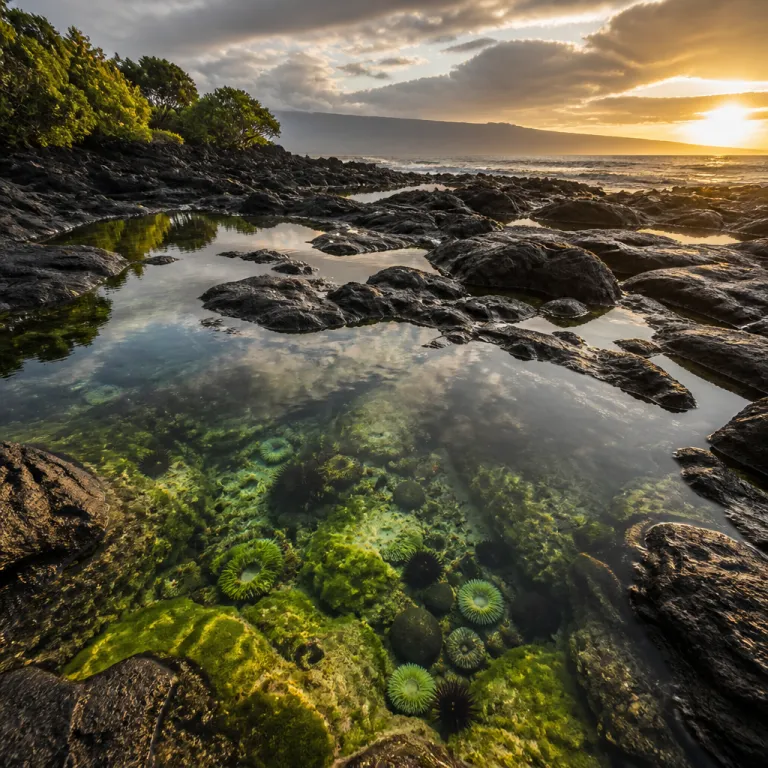
The Big Island’s tide pools: geology, luxury bases and family appeal
The phrase tide pools Big Island Hawaii natural pools describes a coastline still being written by fire and sea, and it only stops sounding awkward once you see what it means in person. Along the eastern and western shores of the Island of Hawaii, fresh lava meets the open ocean and cools into jagged lava rock, then centuries of waves carve that rock into sheltered tide pool basins. For luxury travelers, the contrast between polished resort service and raw volcanic energy is exactly what makes a stay on the Big Island feel different from Maui or Oahu.
These natural pools form when a lava flow reaches the sea, shatters, and then settles into uneven shelves that trap water at low tide. Younger flows near Puna or around Isaac Hale Beach Park tend to create sharper rock and deeper tide pools, while older, weathered flows on the Kohala Coast and near Hilo soften into small, family friendly bowls that feel like natural infinity pools above the ocean. Understanding this geology helps you choose which beach or bay pairs best with your hotel base and your children’s comfort in the water.
For guests booking premium stays, the most strategic move is to treat tide pool excursions as half day rituals rather than rushed add ons. Choose a resort on the sunny west side for poolside ease, then plan early morning drives to the east when the best tide windows align with calm sea conditions and softer light for snorkeling. Many of the Island of Hawaii properties we feature arrange private guides who read the tide charts, know which lava rock ledges are safe for kids, and can pivot quickly if the open ocean swell makes one snorkeling spot less suitable than another, following current safety advisories from the Hawaii Department of Land and Natural Resources (DLNR) and the National Oceanic and Atmospheric Administration (NOAA).
Puako, Kohala Coast and Hilo: where to stay for different natural pools
On the Kohala Coast, Puako’s tide pools sit just a short drive from several of the island’s most refined beach resorts. Here, flat lava shelves step down into clear water, creating a chain of small tide pool pockets where juvenile fish, sea cucumbers, and shy crabs shelter from the ocean’s pulse. Families staying at upscale villas or suites nearby can time a pre breakfast walk to these pools, then return to the beach club before the sun and sea breeze build, using public shoreline access points such as Puako Beach Drive and checking for posted DLNR notices.
Hilo’s Richardson Ocean Center and the adjacent Richardson’s Beach Park offer a different mood, with black sand coves framed by green sea algae and dark lava rock. The tide pools here are cooler, fed by a mix of fresh water and sea, and they are ideal for cautious first snorkeling sessions with children who prefer to stand rather than swim. This side of the Big Island receives more rain, but that moisture feeds the lush gardens and farmers markets that pair beautifully with a stay in Hilo or nearby luxury guesthouses, especially if you plan to explore the island’s farm to table scene through curated visits to the Big Island’s farmers markets and Hawaii Tourism Authority (HTA) cultural programs.
Farther south in Puna, Mermaid Ponds once felt like a secret, a series of natural pools formed by volcanic rock where the water warmed gently in the sun. The nearby Kapoho area, once famous for the Kapoho tide pools and the Wai Opae Marine Life Conservation District, changed dramatically after a major lava flow reshaped the coastline in 2018, as documented by the Hawaii Department of Land and Natural Resources, NOAA coastal change maps, and USGS eruption reports. Today, visitors still ask, “Are the Kapoho Tide Pools accessible?” and the answer remains precise and sobering: no, they were destroyed during that eruption and are now buried under new lava.
From Mermaid Ponds to Isaac Hale: what remains, what changed, and how to pair hotels
Mermaid Ponds in the Puna District still offers a glimpse of how volcanic rock can cradle water into calm tide pools, but access can be sensitive and conditions shift with every season. Local guides emphasize three simple rules for families: check tide schedules, wear protective footwear, and be cautious of wave surges when the open ocean pushes unexpectedly over the outer rock walls. When you are traveling with children, that means choosing a hotel concierge or tour partner who understands both the romance and the risk of these natural pools and follows current DLNR safety guidance and county access rules.
Isaac Hale Beach Park, once a simple boat ramp and surf break, now sits at the edge of newer lava, a stark reminder of how quickly a lava flow can redraw the map of the Island of Hawaii shoreline. Some of the warmest water pockets here feel almost geothermal, yet they are still part of the sea, connected to the broader marine life systems that ring the Big Island. Families staying in high end villas near Pahoa or in resort level accommodations on the Kona side often book a private driver and guide for this area, combining a careful walk along the lava rock with a stop at safer snorkeling spots on the way back, and checking in advance for parking, restroom facilities, and lifeguard coverage.
If your priority is easy access to gentle tide pools, the Puako area and the Hilo side remain the most reliable choices, especially when paired with properties that understand sustainable coastal access. Guests who prefer a refined beachfront escape with manicured grounds and quick access to a calm beach can look to the Kohala Coast and options such as the Waikoloa Beach Villas in Waikoloa Village. Those who want to balance luxury hotels with more rugged coastal hikes and tidal exploration should consider stays that align with curated trail experiences, using resources like our guide to pairing elegant stays with the Big Island’s most iconic hikes and sample tide charts that highlight typical low tide windows.
Marine life, snorkeling etiquette and family friendly tide pool choices
In the calmest tide pools, children can watch small fish, sea urchins, and sea cucumbers move slowly through the water, turning each basin into a living classroom. The best tide windows for this kind of quiet observation usually fall around low tide, when the sea retreats just enough to isolate each tide pool from the open ocean without leaving marine life stranded. On the Big Island, that often means early mornings or late afternoons, which align naturally with luxury travelers’ preference for long, unhurried lunches back at the hotel and easy returns to shaded cabanas.
While the Island of Hawaii is famous for sea turtles, you are more likely to see green sea turtles cruising just beyond the outer rock walls than inside the smallest pools. In some bays, especially along the Kona and Kohala coasts, these green sea icons rest on black sand or graze on algae near the edge of the lava rock, and families should keep a respectful distance on both beach and water. The phrase tide pools Big Island Hawaii natural pools can tempt visitors to think of these places as private spas, yet they are fragile nurseries where juvenile reef fish, opae tide shrimp, and other marine life begin their lives and depend on undisturbed habitat.
Snorkeling in these environments demands a different mindset than open ocean snorkeling spots, even when the water looks as clear as a resort pool. Hawaii’s reef safe sunscreen law bans oxybenzone and octinoxate, as outlined by the Hawaii Department of Land and Natural Resources and the Hawaii Tourism Authority, so pack mineral formulas and apply them well before you enter any tide pool or beach park lagoon. Teach children not to stand on coral, not to move rocks, and never to collect shells or animals, because the best tide experience is one where your family leaves no trace beyond a few thoughtful blog posts and shared memories, supported by guidance from DLNR and NOAA marine life briefings.
Sustainable luxury: how premium families can support the coast’s future
The most rewarding way to experience tide pools Big Island Hawaii natural pools is to treat them as part of a larger coastal system, not as isolated attractions. The Hawaii Tourism Authority’s destination management plans emphasize that visitor behavior at natural sites directly shapes the health of marine life, from tiny opae tide shrimp in sheltered basins to green sea turtles feeding in the surf. Luxury travelers, with access to attentive concierges and private guides, are uniquely positioned to model that respectful behavior and to choose experiences that align with official conservation goals.
Choose hotels and villas that work with local guides, not just generic tour desks, especially when planning visits to Puna, Mermaid Ponds, or any remaining Kapoho tide style formations. Ask whether your guide carries a tide chart, understands the difference between a safe tide pool and a deceptively calm ledge, and can explain how each lava flow age affects the depth and shape of the pools. When a property can speak fluently about lava rock geology, low tide timing, lifeguard locations, parking logistics, and safe access to both beach and bay, you know you are in the right place.
Finally, remember that the story of the Island of Hawaii shoreline is still unfolding, as new lava meets the sea and old pools shift with each season. Support organizations that monitor marine life, respect closures when they appear, and treat every tide pool as a privilege rather than a guaranteed amenity. Your children will remember the feel of warm water in a sheltered basin, the sight of a green sea turtle lifting its head beyond the rock, and the quiet pride of knowing your family helped keep these natural aquariums thriving for the next wave of travelers, guided by up to date information from DLNR, NOAA, and HTA.
FAQ about tidal pools on the Big Island
Are the Kapoho tide pools and Wai Opae still accessible for visitors ?
The former Kapoho tide pools and the Wai Opae area were heavily impacted by a major lava flow in 2018 and are no longer accessible as they once were, a change documented by DLNR, NOAA coastal maps, and USGS hazard reports. The coastline there has been reshaped, and previous snorkeling spots and tide pool basins have disappeared under new lava rock. Visitors should focus on other areas of the Big Island, such as Puako or Hilo’s beach parks, and always check current local guidance and official safety advisories before planning a trip to Puna.
Which tide pools on the Big Island are best for families with children ?
For families, the most reliable options are the relatively shallow tide pools near Puako on the Kohala Coast and the protected basins at Richardson’s Beach Park in Hilo. These areas offer small, calm pools where children can stand, watch marine life, and practice gentle snorkeling without the full force of the open ocean. Always visit near low tide, use water shoes to navigate the lava rock, and stay within easy reach of lifeguarded areas or your guide, noting posted DLNR signs about currents, surf, and marine life protection.
What kind of marine life can we expect to see in Big Island tide pools ?
Typical marine life in these natural pools includes small reef fish, sea urchins, crabs, sea cucumbers, and occasionally juvenile stages of species that later move to deeper water. In some locations, you may also see tiny opae tide shrimp and other invertebrates that thrive in the warm, shallow water. Larger animals such as green sea turtles usually remain just outside the tide pools, in the adjacent bay or along the outer rock ledges, where NOAA and DLNR recommend keeping a respectful viewing distance.
Do I need special equipment to explore tide pools safely ?
At a minimum, you should bring sturdy water shoes, a mask and snorkel, and a lightweight towel, even if you are staying at a luxury hotel that provides beach gear. Protective footwear is essential because lava rock can be sharp, and some pools shelter sea urchins that you want to avoid stepping on. A simple mask allows both adults and children to observe marine life without diving, turning each tide pool into a clear window on the underwater world and supporting the low impact approach recommended by DLNR and HTA.
How can luxury travelers visit tide pools responsibly while staying at premium resorts ?
Start by choosing properties that promote reef safe sunscreen, brief guests on local regulations, and partner with qualified local guides for coastal excursions. Ask your concierge to schedule visits around the best tide conditions, avoiding days when the open ocean swell makes even sheltered pools unsafe, and consult DLNR tide and surf advisories when possible. Support businesses and organizations that prioritize conservation, and teach children to treat every tide pool as a living habitat rather than a playground, so your stay enhances rather than harms the island’s fragile shoreline and aligns with Hawaii Tourism Authority destination management plans.
References
Hawaii Tourism Authority (HTA) destination management plans and visitor education resources
Hawaii Department of Land and Natural Resources (DLNR) coastal access, safety advisories, and marine protection updates
National Oceanic and Atmospheric Administration (NOAA) tide predictions, coastal change maps, and marine life guidance