Best Hotels in Kailua-Kona: Where to Stay on the Big Island’s West Coast
Choosing Kailua-Kona as your Big Island base
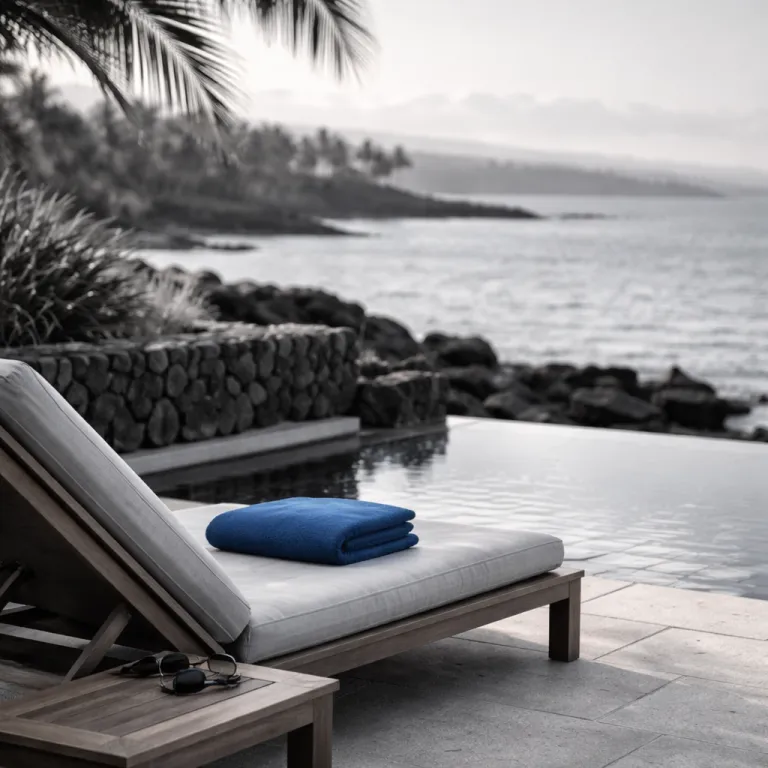
Black lava rock meets calm, glassy water along Aliʻi Drive, and that contrast sums up Kailua-Kona as a place to stay on the Big Island. Soft edges for the visitor, raw geology just beneath the surface. If your trip revolves around sunsets, ocean time and easy access to restaurants and bars, this is the most practical and atmospheric hub on the west coast.
The town of Kailua Kona stretches along the shoreline, with most accommodation either on or just mauka (mountain side) of Aliʻi Drive and Kuakini Highway. You can stay within walking distance of the small sand beach by the pier, or retreat a few minutes uphill for quieter nights and wider views over the bay. Compared with the resort enclaves farther north, this is where you actually feel a lived-in island town around you.
Kailua-Kona works especially well if you want to explore both directions: north toward the Kohala coast and Waikoloa Village, south toward coffee country and, on a long day trip, Volcanoes National Park. The drive from Kona to the main park entrance usually takes around two and a half to three hours each way via Saddle Road, so it is a commitment but still realistic as a single long excursion. It is not the most secluded corner of the island, nor the most manicured, but as a base for a first or second visit it balances convenience, character and access better than anywhere else on the west side.
Understanding the main hotel zones in and around Kona
Oceanfront in central Kona means Aliʻi Drive, from the pier down past the royal-era sites and low-rise buildings that hug the shoreline. Here, a beach hotel will often trade expansive grounds for immediacy: you step out of the lobby and you are on the seawall, with a village outdoor scene of cafés, casual bars and small shops within a few hundred metres. It suits travellers who like to walk rather than drive to dinner and who prioritise Kona oceanfront hotels over large, gated compounds.
A few blocks inland, along Kuakini Highway and up Hualālai Road, you find smaller inns and mid-size properties with partial ocean views. These places often feel more residential, with less of a resort atmosphere and more of a practical, in-town stay. The trade-off is clear; you gain quieter nights and easier parking, but you lose the sound of the waves and direct access to the sand beach by the pier.
North of town, the landscape opens quickly into lava fields on the way toward the Kohala coast and the large resort complexes near Waikoloa. Staying in this corridor gives you faster access to the golf courses and to the full service resort scene of the north, while still being a short drive back to Kailua’s harbour for a manta ray night swim or a morning coffee on Aliʻi Drive. South of Kona, accommodation becomes more scattered, with a few small inns tucked into coffee country rather than classic beach hotels, suiting travellers who want a quieter base but still plan to drive into town for dinner.
Resort-style stays vs. in-town Kona hotels
Choosing between a Kona resort and an in-town hotel is less about star ratings and more about how you want to move through your day. Resort-style properties around Kailua Kona tend to sit on larger parcels of lava rock coastline, with an outdoor pool as the social centre, a dedicated bar near the water and a more controlled, self-contained atmosphere. You come here to stay put, to read by the pool, to watch the light change on the ocean without thinking about parking on Aliʻi Drive.
In-town hotels and inns, by contrast, plug you directly into the rhythm of Kailua. You might not have a sweeping sand beach at your doorstep, but you can be at the pier in minutes for a morning swim, then wander back past shave ice stands and small restaurants. These properties often appeal to travellers who plan to be out exploring the island most of the day and want a comfortable, efficient place to stay Kona at night rather than a full resort cocoon.
There is a middle ground. Some oceanfront hotels in central Kona offer resort-like features — a sizeable outdoor pool, a fitness center, a lounge-style bar with sunset views — while still being within walking distance of the harbour and the historic sites. For many visitors, this hybrid model works best: enough on-site amenities to justify a lazy day by the water, but no sense of being marooned in a gated enclave.
Comparing Kailua-Kona with Waikoloa and the Kohala coast
Driving north from Kailua-Kona along Queen Kaʻahumanu Highway, the road cuts through long stretches of dark lava before the landscape suddenly softens into manicured lawns and palm-lined drives. This is the transition from town to the resort world of Waikoloa and the broader Kohala coast. The contrast is stark, and it matters when you choose where to stay on the Big Island.
Waikoloa Village and the coastal resort area nearby are built around large, master-planned properties with extensive pools, lagoon-style swimming areas and a strong focus on on-site activities. A place like this is ideal if your holiday is essentially about the resort itself — long days by the water, structured kids’ programs, multiple restaurants and bars within the same complex. You sacrifice the everyday texture of Kailua’s harbourfront, but you gain a highly polished, controlled environment.
Kailua Kona, by comparison, feels more like a small port town that happens to host travellers. You will not find the same scale of lagoon pools or the theatrical arrival sequences of the big Kohala resorts, yet you do gain easier access to local coffee farms up the slopes of Hualālai and to small, rocky coves used by residents at sunrise. For a first-time visitor who wants both a sense of place and reasonable driving times to the rest of the island, staying in or near Kailua often proves the more balanced choice, while a stay near Hilton Waikoloa or similar complexes suits those who prioritise resort infrastructure above all.
What to look for in a Kailua-Kona hotel
Room orientation matters more here than in many destinations. A west-facing room with a clear view over Kailua Bay turns sunset into a nightly ritual, while a mountain-facing room can be quieter and cooler, catching the evening breeze off Hualālai. When you compare accommodation, pay attention to whether “ocean view” means a direct, unobstructed outlook or a partial glimpse over roofs and parking lots.
Facilities also shape the feel of your stay. An outdoor pool with enough space between loungers, a bar that actually faces the water rather than the lobby, and a fitness center with windows rather than a basement corner all change how you experience downtime. Some properties lean into a full service model, with on-site restaurants, bars and activity desks, while others keep things simple and expect you to use the town as your extended living room.
Location within Kailua Kona is another quiet but decisive factor. Being within walking distance of the pier and the small beach by the seawall suits travellers who like to swim or join boat trips without driving. Staying slightly south along Aliʻi Drive can feel more relaxed, with fewer day visitors, while being closer to Palani Road and the highway makes early departures for Volcanoes National Park or the northern beaches more efficient. There is no single “best” place to stay; there is only the right compromise between atmosphere, access and the rhythm you want for your days.
Who Kailua-Kona suits best on the Big Island
Travellers who see the Big Island as more than a resort backdrop tend to gravitate toward Kailua-Kona. If you plan to drive up to the high, dry slopes above town to taste Kona coffee at source, to head south toward Puʻuhonua o Hōnaunau, or to commit to a long day across the island to Volcanoes National Park, this is a logical base. You are not in the geographic centre of the island, but you are well placed for the west and south, with a clear route east when you need it.
Families often appreciate the mix of easy ocean access and town infrastructure. A small sand beach by the pier for quick swims, casual restaurants and bars along Aliʻi Drive, and the option to retreat to an outdoor pool when the afternoon sun gets strong create a flexible rhythm. Couples who value dining variety and the ability to wander out for a nightcap without planning transport also tend to prefer Kailua over the more isolated resort clusters.
If your ideal holiday is defined by long, uninterrupted days inside a single, expansive resort complex, the large properties farther north near Waikoloa may fit better. But if you want to discover the island’s west side with some independence — to stay Kona, not just pass through it on the way to a gated resort — then a well-chosen hotel or inn in Kailua-Kona offers the most grounded, quietly luxurious way to do it.
FAQ
Is Kailua-Kona a good base for exploring the Big Island?
Kailua-Kona is one of the most practical bases on the Big Island, especially for first-time visitors. From town you have straightforward driving routes north to the Kohala coast and Waikoloa, south to coffee country and snorkelling bays, and east across the island for a long day trip to Volcanoes National Park. You also gain the convenience of a compact harbourfront with restaurants, small beaches and tour departures all clustered within a short distance.
What types of accommodation can I expect in Kailua-Kona?
The Kailua-Kona area offers a spectrum of accommodation, from simple inns and in-town hotels just mauka of Aliʻi Drive to larger, resort-style properties on the oceanfront. Many places feature outdoor pools, on-site bars and some level of full service facilities, while others focus on clean, efficient rooms within walking distance of the harbour and dining. You will not find the same scale of mega-resorts as on the Kohala coast, but you will find a wide range of comfortable, well-located options.
How does staying in Kailua-Kona compare with staying near Waikoloa?
Staying in Kailua-Kona places you in a lived-in coastal town with easy access to local cafés, small beaches and harbour activities, making it ideal if you like to walk to dinner and explore beyond your hotel. Staying near Waikoloa or along the Kohala coast usually means being inside a larger, more self-contained resort environment with extensive pools, manicured grounds and a stronger focus on on-site amenities. In short, Kona is better for a town-and-exploration stay, while Waikoloa excels at pure resort holidays.
Is Kailua-Kona suitable for families?
Kailua-Kona works well for families who want a mix of pool time, easy ocean access and simple logistics. Many hotels offer family-friendly outdoor pools, and the small sand beach near the pier provides a gentle entry point to the water when conditions are calm. Having restaurants, casual bars and shops within a short walk or drive also makes it easier to adapt plans to children’s energy levels.
How far is Kailua-Kona from Hawaii Volcanoes National Park?
The drive from Kailua-Kona to the main entrance of Hawaii Volcanoes National Park typically takes around two and a half to three hours each way, depending on traffic and the route you choose. This makes it a feasible but long day trip from Kona, which is why many travellers either start early and return late or plan a separate overnight stay closer to the park if they want more time on the trails and at the visitor centres.