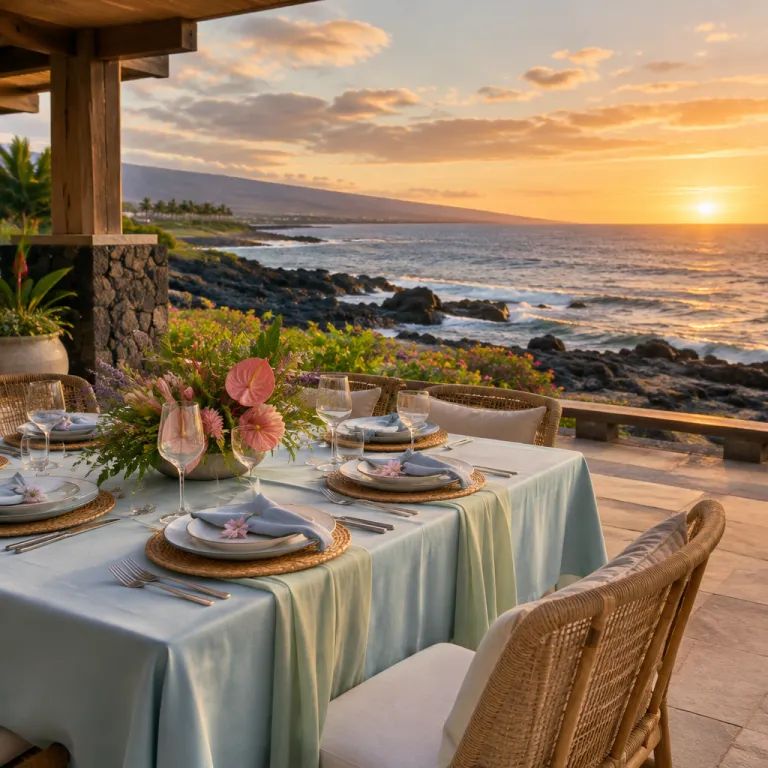
Curated coastal experiences: where to stay for the best things to do in Hawaiʻi Big Island
Choosing the right coastline on the island shapes every moment of your stay. For travelers focused on the most memorable experiences on Hawaiʻi’s Big Island, the first decision is whether to base yourself near Kona’s sun drenched resorts or around lush Hilo and its quieter, rain washed charm. Luxury and premium hotel booking on the big island works best when you match your preferred beaches, parks, and cultural attractions to each coast before you reserve.
On the Kona side of Hawaiʻi, high end properties cluster along the dry lava fields, placing you close to white sand beach clubs, exclusive golf courses, and world class coffee farm tours. This is where many visitors plan their first road trip to a black sand beach or a green sand cove, then return to infinity pools and refined dining at night. If you want quick access to manta rays night excursions, Mauna Kea sunset drives, and private boat tours, a luxury stay near Kailua Kona is often the best choice.
Hilo on the eastern side of island Hawaiʻi offers a different rhythm, with misty mornings over Hilo Bay and easy access to waterfalls and national park landscapes. Premium oceanfront inns near downtown Hilo place you within minutes of Rainbow Falls, ʻAkaka Falls, and the historic farmers market, while still keeping you within driving distance of Hawaiʻi Volcanoes National Park. For travelers who value culture, gardens, and quieter sand beaches over nightlife, a refined stay near Hilo can turn simple things like a morning walk into some of the most rewarding moments on the big island.
Volcanoes, valleys, and sacred landscapes near luxury stays
Many of the most powerful things to do in Hawaiʻi Big Island revolve around its volcanoes and deep valleys. Hawaiʻi Volcanoes National Park sits on the southeastern flank of the island, and staying in a premium lodge or villa within about a 45 to 75 minute drive of the main entrance lets you visit at the right time of day for calmer crowds and softer light. Before you go, always check the current eruption updates from the US Geological Survey (USGS), because “Yes if eruption active; USGS status required” remains the only reliable guidance on current lava viewing.
Within this vast national park, you can walk across old lava fields shaped by the volcano goddess Pele, then return to a heated plunge pool and tasting menu at your hotel the same evening. Some luxury properties coordinate private guided tours that link the park with Mauna Loa viewpoints, coffee tastings, and coastal stops, turning a long road day into a curated experience. As one longtime guide near Volcano village explains, “We tell guests to slow down, watch the steam, and listen for the park’s quiet sounds so the drama of Hawaiʻi Volcanoes and the gentler moments at your sand beach feel balanced.”
To the north, Waipiʻo Valley and its neighboring valleys offer some of the most dramatic views on the big island, with sheer cliffs dropping to black sand and green slopes. Access rules change, so many visitors now experience the valley from official lookout points or organized tour shuttles rather than self driving down the steep road, following guidance from Hawaiʻi County. Pair a day in Waipiʻo Valley with a stay in Kohala’s luxury coastal resorts, then use this same base to attend major events such as the Ironman travel playbook for Kona if your visit coincides with the race period.
Mauna Kea, Mauna Loa, and stargazing from premium hotels
High altitude experiences are among the most unforgettable things to do in Hawaiʻi Big Island, especially for guests staying in luxury properties that arrange logistics. Mauna Kea rises to 4 207 metres above sea level, and its summit region is one of the world’s premier stargazing locations, while Mauna Loa sprawls across much of island Hawaiʻi with vast lava slopes. Because conditions can be harsh, many travelers rely on guided tours that collect them directly from their hotel, provide warm layers, and time the visit for sunset and night skies.
Several premium hotels on the west coast maintain close relationships with licensed Mauna Kea tour operators, allowing you to reserve limited summit spots well before your trip. These curated excursions often combine a scenic road drive up to the visitor information station, a hot meal, and telescope viewing, then return you safely to your suite long after the stars have appeared. Many operators set minimum age limits, typically around 13 to 16 years old for summit access, and recommend booking several weeks ahead during peak seasons to secure space.
Mauna Loa offers different things, with gentler slopes, long hiking trails, and viewpoints over Hawaiʻi Volcanoes National Park that feel far removed from the coast. Some high end lodges near Volcano village or along the Saddle Road can arrange private drivers who know the safest points to stop and the best time to avoid clouds. When you combine Mauna Kea, Mauna Loa, and the national park in one itinerary, choose a hotel strategy that splits nights between Kona, Hilo, and the uplands so drive times stay reasonable.
Coastal pleasures: beaches, manta rays, and refined oceanfront stays
For many guests, the most memorable things to do in Hawaiʻi Big Island unfold along the shoreline. The island’s beaches range from classic white sand to rare black sand and even a remote green sand cove, each offering different moods and levels of comfort. Luxury and premium hotels along the Kohala and Kona coasts often provide direct access to calm sand beaches, private cabanas, and concierge teams who can arrange everything from stand up paddle lessons to sunset cruises.
Punaluʻu on the southern coast is the best known black sand beach, where jet dark grains meet turquoise water and, often, resting honu sea turtles. Reaching this shore from Kona or Hilo takes time, so many travelers fold it into a full day road trip that also includes South Point, the wind swept southernmost point of the United States. From there, experienced hikers continue toward Papakōlea, the green sand beach set in an ancient cinder cone, while others return to their hotels for spa treatments and fine dining.
Near Kona, one of the best things you can book is a night snorkel or dive with manta rays, which glide through beams of light as they feed on plankton. High end resorts partner with reputable operators who limit group sizes, provide quality gear, and time departures so you are back in your room at a comfortable hour. On the Hilo side, refined inns such as those highlighted in this guide to a Hilo oceanfront escape place you close to Hilo Bay, where calm mornings invite gentle paddles before you head inland to waterfalls.
Waterfalls, Hilo charm, and cultural depth around your hotel
Staying near Hilo unlocks a different set of things to do in Hawaiʻi Big Island, with lush scenery and cultural sites close at hand. Within a short drive of many premium guesthouses, you can visit Rainbow Falls at sunrise, then continue to ʻAkaka Falls State Park for a loop walk through ferns and bamboo. These falls are among the best things on the island for travelers who prefer gentle walks over strenuous hikes, especially when paired with a leisurely afternoon back at a quiet inn.
Downtown Hilo offers a compact grid of heritage buildings, galleries, and cafés that reward slow exploration between excursions. The Hilo farmers market operates on multiple days, but the biggest selection appears on certain mornings, when stalls overflow with tropical fruit, local coffee, and handmade crafts. Many luxury minded visitors time their road trips to return through downtown Hilo, allowing them to pick up gifts and snacks before retreating to ocean view rooms along Hilo Bay.
History runs deep here, from the legacy of King Kamehameha I, who united the Hawaiian Islands, to the ongoing role of Native Hawaiians as cultural stewards of sacred sites. Respectful visitors treat heiau temples, petroglyph fields, and valley lookouts as living places rather than simple viewpoints, following posted guidance and local advice. When you choose a hotel, look for properties that support cultural programming, such as hula workshops, ʻukulele lessons, or talks on Hawaiʻi’s geology and legends, so your time on the big island feels both enriching and responsible.
Planning routes, drive times, and hotel combinations across the big island
The scale of island Hawaiʻi surprises many first time visitors, so careful planning of routes and hotels is essential. With roughly 10 430 square kilometres of area and about 430 kilometres of coastline, the big island cannot be comfortably crossed in a single casual afternoon. To enjoy the best things to do in Hawaiʻi Big Island, most luxury travelers split their stay between at least two regions, often combining Kona with Hilo or Volcano.
One effective strategy is to begin in Kona, using a resort base for manta rays excursions, coffee farm visits, and relaxed days on sheltered sand beaches. From there, you can drive the western and southern road circuits, stopping at South Point, Punaluʻu’s black sand, and viewpoints toward Mauna Loa before continuing to a second hotel near Volcano or Hilo. This pattern keeps daily drive times reasonable while still allowing you to visit Hawaiʻi Volcanoes National Park, Mauna Kea viewpoints, and Waipiʻo Valley lookouts without rushing.
Another approach is to anchor your trip around specific things, such as a Mauna Kea stargazing tour, a Kona coffee harvest, or a cultural festival in downtown Hilo, then book hotels that minimize backtracking. When comparing luxury and premium options, pay attention to whether valet services, late check out, and concierge desks can adapt plans if weather shifts around the volcanoes national landscapes. With thoughtful sequencing of stays and honest estimates of road distances, you can experience beaches, valleys, parks, and peaks while still preserving unhurried time at your chosen retreats.
Key figures for planning a refined stay on Hawaiʻi Island
- Hawaiʻi Island covers about 10 430 square kilometres of area, making it larger than all other Hawaiian islands combined and explaining why drive times between Kona, Hilo, and the national park often exceed two hours (GoHawaii.com and National Park Service).
- Mauna Kea rises to 4 207 metres above sea level, which means temperatures near the summit can drop below freezing even when sand beaches at the coast feel warm, so luxury travelers should pack proper layers for high altitude tours (National Park Service and Maunakea Visitor Information Station guidance).
- The coastline of the big island stretches for roughly 430 kilometres, providing space for a wide variety of beach types, from white and black sand to the rare green sand cove at Papakōlea (GoHawaii.com).
- Guided experiences such as active lava viewing, night snorkels with manta rays, Mauna Kea summit stargazing, and Kona coffee farm tours consistently rank among the most sought after premium activities on Hawaiʻi Island, so advance booking is strongly recommended during peak travel seasons, often four to eight weeks ahead for summit tours (compiled from destination travel guides and local tour operator advice).
FAQ: luxury stays and things to do in Hawaiʻi Big Island
Can I see lava flowing during my stay on the big island ?
Lava visibility changes frequently, so you need to check the current eruption status before planning a visit. The most reliable updates come from the United States Geological Survey, and local guides adjust tours daily based on those reports. As the dataset notes, “Yes if eruption active; USGS status required”, so even luxury hotels rely on this official information.
What are the best beaches for guests staying in luxury hotels ?
For classic white sand and calm water, many high end travelers favour Hapuna and nearby Kohala coast beaches, which sit close to several five star resorts. Punaluʻu offers a striking black sand shoreline, while Papakōlea’s green sand cove appeals to more adventurous guests willing to hike. Your concierge can match you with beaches that fit your swimming ability, mobility, and interest in amenities.
Is Mauna Kea open to visitors staying at coastal resorts ?
Access to Mauna Kea’s summit is regulated, but the visitor information station is usually open and reachable by road from both Kona and Hilo in roughly 1,5 to 2,5 hours depending on traffic and weather. Many luxury properties work with permitted tour operators who handle permits, altitude briefings, and equipment for you. This arrangement lets you enjoy sunset and stargazing while returning safely to your hotel late in the evening.
How many days should I plan on Hawaiʻi Island to enjoy key attractions ?
To experience beaches, Hawaiʻi Volcanoes National Park, Mauna Kea or Mauna Loa viewpoints, and at least one valley lookout, most travelers benefit from a minimum of five to seven nights. Splitting time between Kona and Hilo or Volcano reduces daily driving and allows for rest days at your hotel. Luxury guests often extend stays to ten nights or more to add spa time, golf, and cultural activities without rushing.
Do I need a rental car if I am staying in a premium resort ?
While some high end resorts offer shuttles and private drivers, a rental car remains the most flexible way to reach remote beaches, waterfalls, and viewpoints. The big island’s size and limited public transport mean that relying solely on taxis can become expensive and restrictive. Many guests combine a few days of guided tours with independent driving to balance comfort and freedom.