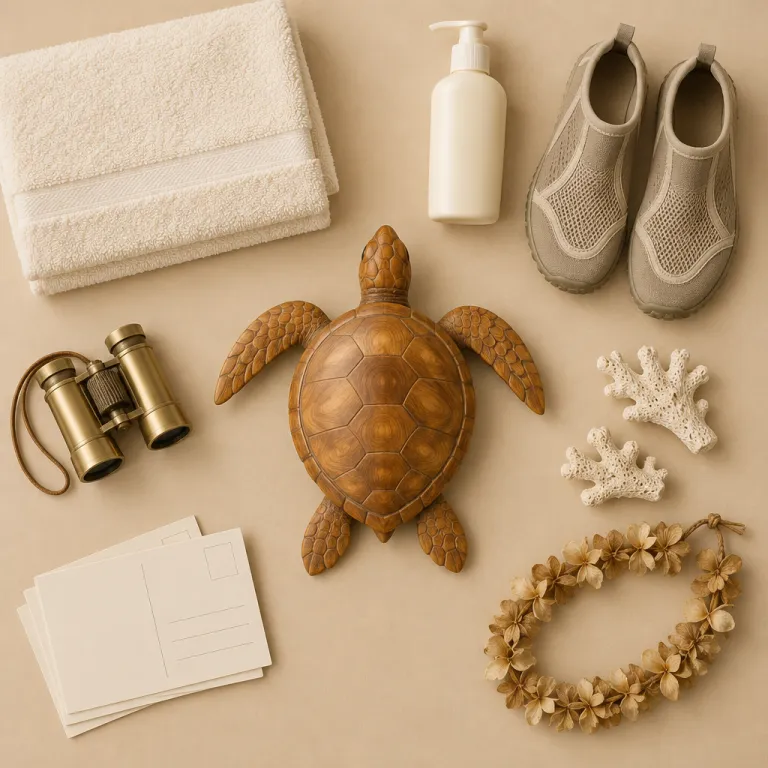
Why honu etiquette matters for luxury‑minded families
On the Big Island, the question is not green sea turtle honu big island where to see, but how you choose to meet them. These hawaiian green sea turtles are protected under both state and federal law, and your family’s behavior on each beach or in each bay directly affects whether these animals keep using these island beaches safely. Think of every encounter with a turtle as a privilege granted by an ancient marine lineage, not an amenity bundled with your room key.
NOAA and the State of Hawaiʻi recommend staying at least 3 meters from any sea turtle on sand or in water, because crowding, chasing or touching can cause stress, interrupt feeding and even push turtles away from critical resting sites. That distance applies whether you are watching a single honu or several sea turtles basking together on black sand or swimming through clear water above lava ledges. For families, it is a simple rule to teach children ; ask them to imagine a big invisible circle around each shell and to be proud guardians of that space.
Luxury travelers sometimes assume that a private guide or high‑end resort can secure closer access, yet any offer to bend the rules is a red flag rather than a premium perk. The most refined properties on the main Hawaiian island of Hawaiʻi Island now build honu etiquette into their check in briefings, kids’ clubs and marine national themed activities. When you evaluate a hotel, ask how staff handle guests who crowd turtles on the sand beach or in the sea, because their answer tells you as much about the property’s values as the thread count.
Where to see honu on the Big Island without crossing the line
Families asking green sea turtle honu big island where to see usually start on the Kona and Kohala coasts, where calm water and fringing reef create ideal feeding grounds. On the sunny northwest of the island, ʻAnaehoʻomalu Bay and the crescent of Kaunaʻoa Beach at Mauna Kea Beach Hotel often host turtles swimming lazily along the reef edge or resting near the lava rocks at the margins. Here, early morning and late afternoon bring softer light, cooler sand and fewer people, which makes it easier to keep that respectful distance while still giving children a clear view of each turtle shell and flipper.
Farther south, the famous Punaluʻu Beach on the island’s east facing Kaʻū coast is the archetypal black sand beach, where hawaiian green sea turtles haul out to bask on warm grains that were lava only a geological heartbeat ago. This is where the phrase punalu black sand becomes real, as dark crystals contrast with the green sea algae that honu graze in the shallows and the deep blue sea beyond. Because turtles punalu can be very relaxed while resting, it is essential that families follow the roped off zones, avoid stepping on damp sand where a turtle might be buried and never stand between an animal and the water.
Pairing honu watching with a broader sense of the island’s geology gives children context for why these animals choose certain island beaches. A day that starts at Punaluʻu black sand and continues to Hawaiʻi Volcanoes National Park lets you trace the journey from molten lava to sand beach to reef, then back to your hotel for a quiet evening. If you are planning a volcano focused itinerary, this guide to Kīlauea between eruptions pairs naturally with a stop at Punaluʻu Beach Park, where turtles big and small often rest within view of picnic tables.
Reading honu behavior: turning sightings into learning moments
Once you know green sea turtle honu big island where to see, the next step is helping children read what they are watching. A turtle swimming slowly along the reef edge, surfacing every few minutes for air, is likely foraging, while a turtle resting motionless on sand or tucked under a ledge is conserving energy between feeding bouts. Explain that honu are air breathing reptiles, not fish, so every calm rise to the surface is a deliberate breath, not a casual moment in the water.
On black sand shores like Punaluʻu Beach Park, you may see sea turtles basking well above the waterline, eyes half closed and flippers spread to absorb warmth from the sand and the big Hawaiian sun. This behavior is normal for hawaiian green turtles in the main Hawaiian islands, and it is one reason why ropes and signs mark where people should stand and where turtles honu should rest. Use those boundaries as a teaching tool ; ask children to notice how the line between wet and dry sand often matches the line between turtle habitat and human space.
Snorkeling in clear bays such as Kealakekua Bay, reached by boat or trail above the Captain Cook monument, offers a different kind of encounter with sea turtles. Here, the focus is on moving slowly, keeping your body horizontal and never diving down to chase a turtle or touch its shell, even when the green sea water feels inviting and the animal seems close. For a deeper sense of the reef itself, this detailed guide to snorkeling Kealakekua Bay helps you plan a day where honu are part of a wider marine story rather than the only goal.
Choosing hotels and resorts that respect honu and the sea
For families booking premium stays, the question goes beyond green sea turtle honu big island where to see and becomes which properties genuinely protect what you came to see. On the Kohala Coast, several high end resorts front sheltered coves where turtles hawai graze on algae along lava ledges, yet the best of them back that privilege with clear signage, staff training and kids’ programs that explain why honu matter. When you compare options, look for hotels that provide reef safe sunscreen, talk openly about marine national protections and partner with local conservation groups rather than simply using turtles in marketing images.
Location still matters, especially if you want easy access to calm island beaches where children can swim while you keep an eye out for sea turtles. Properties near ʻAnaehoʻomalu Bay, Mauna Lani’s fishponds or the sheltered coves north of Kailua Kona offer a balance of gentle water, reliable turtle habitat and polished service. For a curated overview of refined coastal bases, this guide to where to stay on Hawaiʻi Island for refined beachfront escapes highlights hotels that pair strong marine ethics with thoughtful family amenities.
Ask specific questions before you book, because the answers reveal how a property treats both guests and wildlife. Do they brief snorkel tour partners on honu viewing distances, and do they intervene when guests crowd turtles punalu on the sand beach or in shallow water near the beach park. A hotel that can explain why papahānaumokuākea marine National Monument exists, even though it lies far from the Big Island, usually understands that the health of honu here is tied to protections across the wider Hawaiian islands.
Beyond the shoreline: connecting honu to the wider Hawaiian seascape
Understanding green sea turtle honu big island where to see is only the starting point for appreciating how these animals fit into the broader Hawaiian seascape. Honu that rest on a black sand beach at Punaluʻu or feed in a Kona bay are part of a population that ranges across the main Hawaiian islands, nesting on remote sand beach arcs and foraging over coral gardens shaped by ancient lava flows. When you explain this to children, a single turtle on the shore becomes an ambassador for an entire marine national network of habitats.
The protected waters of Papahānaumokuākea Marine National Monument, far to the northwest of Hawaiʻi Island, shelter critical nesting beaches and feeding grounds for hawaiian green sea turtles. While you will not visit those atolls on a typical Big Island holiday, knowing that such a vast reserve exists helps frame why local rules at each beach park or bay are enforced so carefully. From Maui to the Big Island, from punalu black sands to pale coral sand beaches, the same laws protect turtles big and small, whether they are swimming offshore or resting quietly on land.
Families who connect these dots often leave with a deeper respect for both honu and the island itself. A child who learns why a turtle’s shell must stay untouched, why clear water depends on healthy reef and why lava shaped every cove is more likely to become a lifelong advocate for the sea. In that sense, the most luxurious souvenir from Hawaiʻi is not a photograph with a turtle, but the quiet confidence that your family met these animals on their terms and left their world better than you found it.
FAQ
How close can we get to a honu on the beach or in the water ?
NOAA and the State of Hawaiʻi recommend staying at least 3 meters from any sea turtle, whether it is basking on sand or swimming in shallow water. That distance helps prevent stress, protects turtles from accidental contact and keeps people from blocking an animal’s path back to the sea. Teach children to imagine a big circle around each turtle and to stay outside that invisible boundary.
Where are the most reliable places to see green sea turtles on the Big Island ?
On the Big Island, honu are commonly seen along the Kohala Coast, at ʻAnaehoʻomalu Bay, around Mauna Lani’s fishponds and at Kaunaʻoa Beach. Punaluʻu Beach on the south east side is famous for its black sand and for turtles that bask on shore, especially during cooler parts of the day. Calm Kona side bays with healthy reef, such as those near Kealakekua Bay, also offer frequent sightings of turtles swimming while you snorkel.
Is it safe for children to swim near turtles ?
It is safe for children to be in the sea near turtles as long as they keep a respectful distance and never chase, touch or block an animal. Adults should brief kids before entering the water, agree on simple rules and stay close enough to guide behavior if a turtle approaches. If a honu comes too near, the best response is to stay still, let it pass and then gently move farther away.
Do we need a guided tour to see honu responsibly ?
A guided tour is not required to see honu responsibly, although a good naturalist can deepen your understanding of turtle behavior and reef ecology. Families can have excellent, ethical encounters by learning the viewing distance rules, choosing calm beaches with clear water and modeling quiet, patient observation. Avoid any operator who promises guaranteed close contact or encourages touching turtles, because that conflicts with Hawaiian law and best practice.
How can we tell if a hotel or tour company treats turtles ethically ?
Ethical operators talk clearly about honu protection, display guidelines from NOAA or the State of Hawaiʻi and train staff to intervene when guests get too close to turtles. They provide reef safe sunscreen, avoid feeding wildlife and never stage encounters by cornering animals in small bays or against lava rocks. When in doubt, ask how they handle situations where visitors crowd a basking turtle ; a confident, conservation focused answer is a strong sign of integrity.