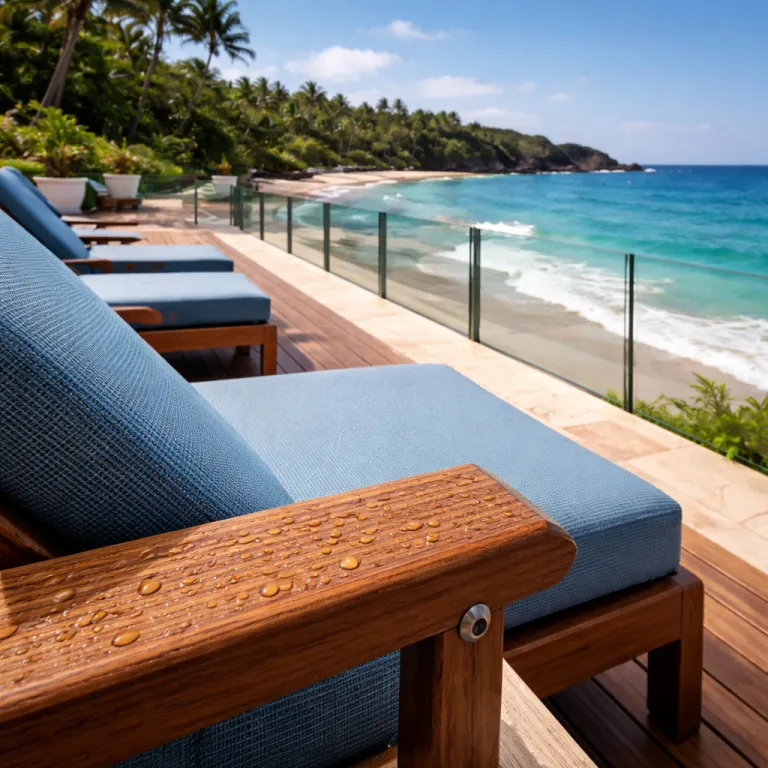
The Mauna Kea story: from Rockefeller’s vision to a renewed icon
On the northwestern edge of Hawaii Island, Mauna Kea Beach Hotel still occupies the most coveted crescent of sand. This Big Island resort review begins where conservation‑minded philanthropist Laurance Rockefeller first stood in the 1960s, looking down at Kaunaʻoa Bay and deciding that a single low‑slung hotel could frame the beach rather than dominate it. The question now is whether a renovation widely reported at around $200 million has preserved that original Hawaiian restraint while lifting the property into the top class of contemporary beach‑resort luxury.
Rockefeller’s blueprint was radical for Hawaii at the time, spacing rooms along open‑air corridors so trade winds, not air conditioning, cooled the hotel. The refreshed Mauna Kea keeps that skeletal architecture, the lava rock walls and the museum‑worthy Pacific art collection, while quietly upgrading every system behind the scenes to match the best contemporary resorts on the Kohala Coast. You still feel the drama of arriving at this Island of Hawaii address by driving across black lava for miles before the first palm appears and the bay opens like a private amphitheater of light.
In this Mauna Kea Beach Hotel review, the property sits in context with its closest competitors, from Mauna Lani, Auberge Resorts Collection, to the reborn Kona Village, A Rosewood Resort. All three share the same volcanic coastline, yet only Mauna Kea has direct access to Kaunaʻoa, often casually called Kea Beach by returning guests who treat it as a private ritual. That combination of heritage, beach and measured scale still makes this property feel more like a cultivated village than a typical Big Island mega‑resort.
Rooms, suites and pricing in the 2026 Kohala luxury tier
Rooms at Mauna Kea now read as quietly luxurious rather than ostentatious, which suits this stretch of the Kohala Coast. Entry‑level categories in the main hotel wing start generous in size, with lanais angled toward the beach or golf course, while higher floors and the Beachfront Wing deliver the kind of horizon‑line views that justify the premium over many Waikoloa Beach addresses. In this part of Hawaii, you are paying for both square metres and sightlines, and Mauna Kea now prices itself just under the most exclusive Auberge Collection suites at Mauna Lani.
Couples comparing this Big Island hotel review with rates at Mauna Lani Auberge or the new Kona Village will notice that Mauna Kea’s renovated rooms often undercut the most secluded hale at Kona Village by several hundred dollars per night. Recent publicly listed rates for standard rooms at Mauna Kea commonly fall in the roughly $900 to $1,400 per‑night range in high season, while top‑tier hale at Kona Village can exceed $2,000. That still places Mauna Kea firmly in the top class of Island of Hawaii resorts, but it feels calibrated rather than opportunistic, especially when you factor in the soft renovation of corridors, lifts and public spaces. You should, however, read the small print carefully, because the nightly resort fee, currently advertised at about $45 plus tax, adds a nontrivial amount once you stay several nights and start calculating value per miles flown.
For travellers who prefer residential‑style stays, the linked Mauna Kea Residences and nearby Waikoloa Village vacation rentals broaden the conversation beyond a single resort. If you are weighing a refined Big Island escape with more privacy, it is worth comparing Mauna Kea’s oceanfront rooms with the elegant Waikoloa Village vacation rentals highlighted in this curated guide to Waikoloa Village stays. In every case, this review suggests matching your room category not only to budget but to how much time you realistically plan to spend on Kea Beach versus exploring further down toward Kailua Kona.
The new spa, fitness center and wellness positioning
The final phase of Mauna Kea’s renovation is the new resort spa, a project that signals how seriously the property takes wellness in the current Kohala Coast arms race. Where Mauna Lani’s Auberge spa leans into volcanic energy and Fairmont Orchid focuses on lush garden seclusion, Mauna Kea’s spa borrows its mood from the bay itself, with treatment rooms oriented toward filtered ocean light. For couples, that means a quieter, more architectural take on wellness rather than a jungle‑themed fantasy.
The expanded fitness center now feels aligned with the expectations of guests who track their training as closely as their loyalty‑card points. You will find modern cardio equipment, free weights and functional training zones that finally match what the best Marriott‑branded resort gyms offer on the mainland, yet the space still opens to Hawaiian air rather than feeling like a sealed urban club. In this Big Island resort review, that balance between performance and place matters more than the latest machine brand name.
Wellness here extends beyond the spa menu, into sunrise yoga platforms, oceanfront walking paths and access to one of the most swimmable bays on the island. If you want a more urban base with easy café access, you might pair a few nights at Mauna Kea with an elegant stay in Kailua Kona, using options such as the refined condos featured in this guide to Kailua Kona stays. That kind of split itinerary lets you compare the resort‑spa culture of the Kohala Coast with the more lived‑in rhythm of Kona, all within a single Island of Hawaii trip.
Beach, golf and the lava landscape: how Mauna Kea uses its setting
Everything at Mauna Kea still orbits around Kaunaʻoa Bay, which remains one of the rare true west‑facing white‑sand beaches on the Big Island. The curve of Kea Beach is gentle enough for confident swimming most days, yet deep enough offshore that manta rays still cruise the drop‑off at night. That dual personality makes this beach resort unusually versatile for couples who want both lazy afternoons and after‑dark encounters with the island’s marine life.
Golfers know the Mauna Kea course for its cliff‑top par three, a hole that arcs across raw lava and ocean, distilling the entire Kohala Coast aesthetic into a single swing. Non‑golfers still benefit from the way the fairways open sightlines between the hotel and the sea, so the property never feels boxed in like some denser Waikoloa Beach developments. In this Big Island hotel comparison, that sense of visual breathing room is one of the quiet luxuries you only appreciate after staying at more crowded resorts.
Beyond the manicured grounds, the drive between Mauna Kea, Mauna Lani and Fairmont Orchid crosses kilometres of ʻaʻā and pāhoehoe lava, reminding you that this island was shaped by forces far older than any hotel. If you want to feel that raw geology even more intensely, consider pairing your stay with a few nights in a more traditional Hawaiian lodge setting such as the retreat‑style properties highlighted in this authentic Kohala lodge guide. That combination of polished beach hotel and rustic village retreat turns a simple resort holiday into a layered Island of Hawaii experience.
How Mauna Kea compares: Mauna Lani, Kona Village and beyond
On this stretch of the Kohala Coast, three names dominate any serious Big Island luxury‑hotel discussion for travellers. Mauna Kea, Mauna Lani Auberge Collection and Kona Village by Rosewood each interpret the same volcanic shoreline differently, and your choice shapes the entire mood of your stay. Think of them less as interchangeable resorts and more as distinct Hawaiian villages with their own rituals and rhythms.
Mauna Lani, now part of Auberge Resorts Collection, feels like a contemporary sanctuary, with a strong cultural center and a resort spa that leans into storytelling about fishponds and ancestral land. Kona Village, by contrast, is a car‑free beach resort built as a scattering of hale along the water, where you trade a traditional hotel tower for stand‑alone structures and a more all‑inclusive rhythm. Mauna Kea sits between them, offering the most classic full‑service beach‑hotel amenities, even though it is not a Marriott resort, while preserving Rockefeller’s original idea of a low‑profile property that frames rather than overwhelms the coastline around Kaunaʻoa and nearby Hapuna Beach.
Elsewhere on the Big Island, large‑scale options such as Hilton Waikoloa Village and Royal Kona Resort in Kailua Kona cater to guests who prioritise pools, lagoons and proximity to town over a single perfect beach. Outrigger Kona Resort & Spa and smaller places like Big Island Retreat show how varied the island’s hospitality can be, from cultural activities to more intimate guest houses. As one recent summary of guest feedback notes, “Hilton Waikoloa Village, Royal Kona Resort, Outrigger Kona Resort & Spa, and Big Island Retreat are highly rated,” underscoring how many directions a Hawaii vacation can take.
Practical guidance: fees, loyalty, and choosing the right coastline
When you plan a stay at this level, the difference between a good and the best experience often comes down to details that never appear in glossy brochures. Always factor the nightly resort fee into your calculations, because on the Big Island it can add the equivalent of an extra night once you stay for several days. If you hold an elite status card with a major brand, remember that independent icons like Mauna Kea or Mauna Lani may not offer the same points structure as a Marriott resort, so you are trading loyalty currency for location and character.
Couples flying in from the mainland or further afield should think in terms of travel time as well as miles, because the transfer from Kona International Airport to the Kohala Coast is short compared with the longer drive to Hilo or Volcano. If you want a split stay, one smart pattern is to start with a few nights in Kailua Kona, then move north to a beach hotel on Waikoloa Beach or Kea Beach once you have adjusted to the time zone. This review consistently finds that ending on the Kohala Coast, rather than starting there, makes the final days feel more restorative.
Finally, match your coastline to your priorities rather than chasing a single name. Choose Mauna Kea if you want the most iconic crescent of sand and a sense of living inside Hawaii’s original luxury experiment, Mauna Lani if you value a strong cultural center and Auberge‑style service, and Kona Village if you dream of a car‑free beach resort that feels like its own self‑contained village. Whichever property you select, the combination of lava, ocean and Hawaiian hospitality on the Island of Hawaii will stay with you long after your hotel key card has been returned.
FAQ
Which luxury hotels on Big Island are best for a first visit ?
For a first stay focused on the Kohala Coast, Mauna Kea Beach Hotel, Mauna Lani Auberge Collection and Kona Village by Rosewood are the most compelling options. Each offers direct or near‑direct beach access, strong service and a clear sense of place. If you prefer larger resorts with extensive pools and activities, Hilton Waikoloa Village and Royal Kona Resort are also worth considering.
How far is the Kohala Coast from Kona International Airport ?
The main Kohala Coast resorts, including Mauna Kea, Mauna Lani and Fairmont Orchid, sit roughly 30 to 45 minutes by car from Kona International Airport. The drive covers about 40 to 55 kilometres along the Queen Kaʻahumanu Highway, depending on the specific property. Traffic is usually light outside peak holiday periods, so transfers are generally smooth.
Do Big Island luxury resorts charge resort fees ?
Most large resorts on the Big Island, including many properties on Waikoloa Beach and the Kohala Coast, charge a nightly resort fee. This fee often covers amenities such as Wi‑Fi, fitness‑center access, selected activities and sometimes parking, but inclusions vary. Always check the latest fee structure directly with the hotel before booking, as policies can change.
Are there authentic Hawaiian experiences at larger resorts ?
Yes, several larger properties integrate meaningful cultural programming into their operations. Outrigger Kona Resort & Spa, for example, is known for daily cultural activities and a luau that introduces guests to Hawaiian music, dance and storytelling. Many Kohala Coast resorts also offer guided walks, talks with cultural practitioners and excursions that explain the history of the Island of Hawaii beyond the beach.
Should I stay in Kailua Kona or on the Kohala Coast ?
Kailua Kona suits travellers who want easy access to cafés, local restaurants and harbour‑based activities such as manta ray night dives. The Kohala Coast, anchored by Mauna Kea, Mauna Lani and other beach‑resort properties, is better for couples seeking quieter beaches, golf and a more resort‑focused rhythm. Many visitors combine both, starting in town and finishing with several nights at a Kohala Coast hotel for a balanced Big Island itinerary.