Why Mauna Kea’s summit is unmatched for stargazing on the Big Island
Mauna Kea rises 4,205 metres (13,796 feet) above sea level, and that altitude changes everything. The summit sits above much of Earth’s atmosphere, so the air is dry, thin and remarkably stable, which is why the Maunakea Observatories cluster here rather than on any other Hawaiian peak. For high-end travellers planning a Mauna Kea stargazing Big Island itinerary, this combination of height, isolation and clarity creates an experience that feels closer to a professional observatory night than a casual hotel rooftop session.
The summit of Mauna Kea hosts 13 international observatories, and their domes glint above the clouds like a small lunar village. Public access to these observatories is limited, yet simply standing near the Maunakea summit complex at sunset gives a visceral sense of the science unfolding in the dark. Clear nights occur on roughly 56 percent of the year, according to long-term atmospheric studies from Mauna Kea weather and transparency monitoring programs, so while no stargazing tour can guarantee perfect conditions, the odds of a memorable night sky are significantly in your favour here.
What makes Mauna Kea unique for astronomy is not only the altitude but also the island’s position in the Pacific and the strict control of light pollution. The summit sits far from major cities on the Island of Hawaiʻi, and shielded lighting regulations protect the darkness that stargazing tours rely on. When you step from your vehicle and your eyes adjust, the Milky Way feels almost architectural overhead, a ceiling of light that most visitors have never seen from sea level resorts.
From visitor station to summit: how the Maunakea experience actually works
Every serious Mauna Kea stargazing Big Island plan begins at the Maunakea Visitor Information Station, often called the VIS or visitor station. This modest visitor center sits at about 2,800 metres (9,186 feet) altitude on the Mauna Kea Access Road above Hilo, and it is where Maunakea visitor staff share essential safety briefings and cultural context. The Maunakea Visitor Information Station (VIS) is described in official materials as providing stargazing programs and detailed visitor information for the mountain.
Guests seeking a premium experience usually reach the VIS by private transfer or self-drive from their hotel on the Big Island, timing their arrival for late afternoon. Here, visitor orientation is not a formality; it is your first line of defence against altitude sickness, which can affect even fit guests coming straight from sea level. You should plan to spend at least 45 to 60 minutes at the visitor station, sipping water, walking slowly and letting your body adjust before any summit adventures.
Beyond the VIS, the road to the summit is steep, unpaved in sections and legally restricted to low-range four-wheel-drive vehicles. Many discerning visitors choose guided summit tours rather than attempting the drive themselves, and this is where curated stargazing excursions earn their premium. Operators typically handle permits, provide oxygen and carry hot drinks, so your focus stays on the unfolding summit sunset and the transition from volcanic landscape to night sky rather than on tyre pressure and braking technique.
For those who prefer to remain below the highest altitude, the VIS itself offers a structured stargazing program on selected evenings. Telescopes are set up outside the visitor center when weather allows, and staff lead informal sky-watching sessions that feel intimate compared with large group excursions. This is a smart option if you are sensitive to altitude or travelling with companions who should not attempt the full Maunakea summit ascent.
If your wider itinerary includes lava viewing or Hawaiʻi Volcanoes National Park, align your planning with specialist advice such as this detailed guide on what to expect when the lava returns at Kīlauea. Balancing a high-altitude night on Mauna Kea with a day exploring active geology keeps your Big Island stay anchored in the island’s elemental story. It also helps you choose hotels that minimise drive times between coast, volcano and summit, which matters more than many first-time visitors realise.
Choosing the right Mauna Kea stargazing tour from a luxury base
For a Mauna Kea stargazing Big Island trip built around comfort, the most important decision is whether to book a guided stargazing tour or to self-drive only as far as the VIS. High-end summit excursions typically collect guests from Kohala Coast or Kona resorts in the afternoon, provide parkas and gloves, then handle the entire sunset and night-sky viewing sequence. This door-to-door service matters when you are returning to your suite close to midnight after hours at altitude.
When comparing tours, look beyond glossy website photos and scan recent TripAdvisor reviews for details on group size, telescope quality and guide expertise. A refined stargazing tour should cap numbers, use large-aperture telescopes at the summit or VIS, and weave cultural narratives into the astronomy rather than treating Mauna Kea as just another scenic lookout. One veteran guide likes to tell guests, “We are not just looking up; we are looking back in time,” a reminder that the mountain’s observatories study light that has travelled for millions of years. Ask operators how they manage altitude sickness risks, what their policy is if weather closes the summit, and whether they include a stop at the visitor center for acclimatisation.
Solo travellers who prefer independence sometimes rent a four-wheel-drive vehicle and drive to the VIS themselves, then join a shorter stargazing program there instead of a full summit adventure. This hybrid approach keeps you in control of your schedule while still benefiting from structured sky-watching events and shared equipment. If you are combining Mauna Kea with a cross-island road trip, resources such as this refined guide for Big Island stays from Kona to Volcano can help you position your luxury base to minimise long night drives.
Remember that Maunakea tours operate year round, but conditions vary dramatically with season and weather. Some nights bring crystal-clear skies and gentle breezes, while others at the summit feel like standing inside a freezer with a wind machine. A serious operator will brief you honestly on likely conditions and will not hesitate to cancel or reroute if the Maunakea Access Road closes for ice or high winds.
Altitude, health and what luxury travellers need to know before going up
At 4,205 metres, the summit of Mauna Kea is high enough that altitude sickness is a real risk, even for guests who run marathons at sea level. The air pressure at the summit is roughly 60 percent of that at the coast, which means every breath delivers less oxygen to your brain and muscles. Symptoms can include headache, nausea, dizziness and an unsettling sense of fatigue that can turn a dream Mauna Kea stargazing Big Island evening into a struggle.
Affluent visitors are sometimes tempted to treat the summit drive as just another scenic excursion between spa appointments, but this is one place where you should listen carefully to medical guidance. Anyone with heart or lung conditions, pregnant travellers and children are generally advised not to go above the visitor station, and reputable tours will reinforce this. If you fall into any of these categories, plan to enjoy the night sky from the VIS level, where the altitude is lower yet the stargazing experience remains exceptional.
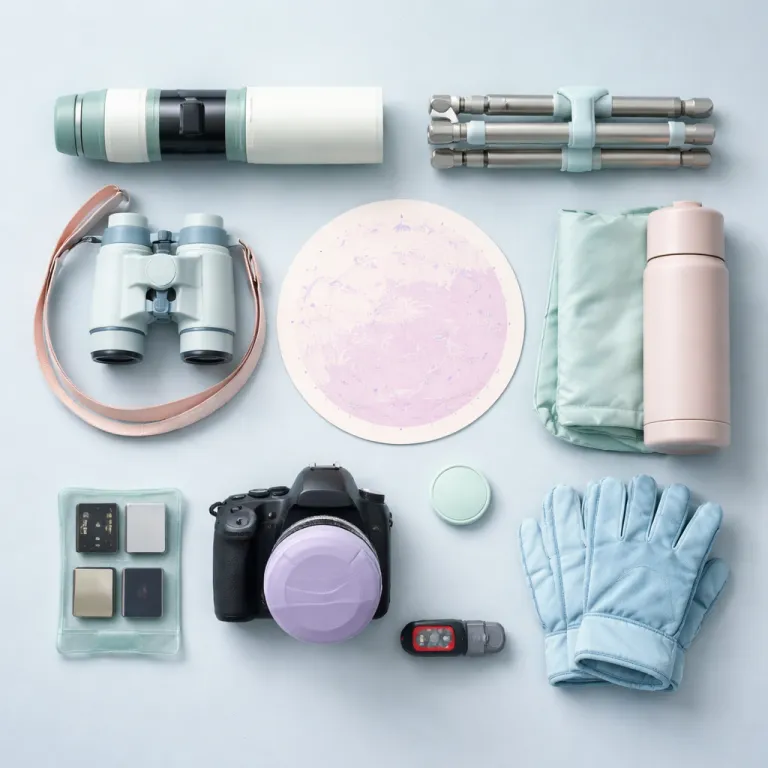
Practical preparation begins at your hotel, not at the visitor center. Hydrate steadily during the day, avoid alcohol before your summit sunset outing and eat a light, balanced meal rather than a heavy buffet. Dress as if you were heading to a European ski resort in midwinter, with thermal layers, a windproof outer shell, warm hat and gloves, because temperatures at the summit can drop below freezing even when your Big Island resort pool feels like summer.
Guided summit adventures usually include heavy parkas, but they may not fit perfectly or cover your legs, so bring your own base layers and thick socks. Move slowly at altitude, especially when stepping out for stargazing or walking between vehicles and telescopes, because your balance and reaction times are subtly affected. If you start to feel unwell, tell your guide immediately; the safest response is often a prompt descent to the visitor station or even back toward sea level, where symptoms usually ease.
Cultural respect, hotel choices and weaving Mauna Kea into a wider Big Island stay
Mauna Kea, or Mauna a Wākea in Hawaiian, is not only a scientific summit but also a sacred mountain in local cosmology. For many Native Hawaiians, the summit is a realm of deities and ancestors, and ongoing debates about Maunakea observatories reflect deep questions about stewardship, not just land use. As a luxury traveller, your Mauna Kea stargazing Big Island plans should acknowledge that you are entering a place of ceremony as well as of science.
Respect begins with small choices that signal you understand the cultural weight of the mountain. Stay on marked paths, keep voices low near cultural sites, and follow any guidance from Maunakea visitor staff or guides about where not to walk or photograph. When a guide pauses to share a chant or story before sunset stargazing, treat that moment with the same attention you would give to a sommelier introducing a rare vintage in your hotel restaurant.
Where you stay on the Big Island shapes how Mauna Kea fits into your trip. Kohala Coast resorts offer easy access to the Mauna Kea Access Road and a smooth drive back after a late night, while Hilo hotels place you closer to the VIS and to the visitor center itself. If you prefer villa-style privacy, consider pairing a high-end condominium stay, such as the refined ocean view residences highlighted here at Nihi Kai Villas refined ocean view condominiums, with a few nights on the Big Island to balance seafront relaxation and summit adventures.
Thoughtful travellers often structure their itinerary so that Mauna Kea comes after a few days on the island, not on the first night. This allows your body to adjust from long-haul flights and gives you time to understand the cultural context before heading to the summit. When you return to your hotel after a night under the stars, the contrast between the quiet, cold mountain and the warm, scented gardens of your resort becomes part of the story you will carry home.
What the night sky on Mauna Kea feels like for the luxury traveller
As the sun drops into the Pacific, the summit of Mauna Kea often sits above a sea of clouds, and the light turns the cinder cones copper and rose. This summit sunset is not just a photo opportunity; it is the prelude to stargazing, a moment when the last colour drains from the sky and the first stars appear over the silhouette of Maunakea observatories. Guides usually encourage guests to watch quietly, letting the temperature fall and the night sky emerge before telescopes are aligned.
Once full darkness arrives, the Milky Way arches from horizon to horizon, and even seasoned travellers who have seen dark skies in the Atacama or Namibia often fall silent. Through the telescopes set up by your stargazing tour, Jupiter’s bands, Saturn’s rings and distant galaxies become sharp, almost architectural forms rather than faint smudges. The combination of altitude, dry air and minimal light pollution means that even naked-eye stargazing feels elevated, with constellations and nebulae standing out against a velvet black background.
Luxury here is not about champagne flutes or heated seats, although some tours do offer hot drinks and snacks at the visitor center or in the vehicle. The real indulgence is access: to a summit usually reserved for scientists, to a stargazing program shaped by experts, and to a night sky that resets your sense of scale. When you return to your Big Island hotel and slip into a warm pool or a deep bath, the contrast between that comfort and the raw, cold clarity of Maunakea’s summit is what you will remember.
FAQ about Mauna Kea stargazing on Hawaii’s Big Island
Is a four wheel drive vehicle required to reach the Mauna Kea summit?
Yes, 4WD is necessary beyond the VIS. The road between the visitor station and the summit is steep, partly unpaved and can be icy, so if you are not confident driving at altitude, book a guided tour instead of attempting the drive yourself.
Can children join Mauna Kea stargazing tours to the summit?
Age restrictions vary by tour operator. Many summit adventures set minimum ages because of altitude sickness risks, so families often choose to enjoy the night sky from the VIS level, where the altitude is lower and the environment is more suitable for younger visitors.
Can visitors enter the Maunakea observatories during a stargazing visit?
Public access to observatories is limited. Most Mauna Kea stargazing Big Island experiences focus on outdoor viewing near the summit or at the visitor center, using portable telescopes rather than taking guests inside the Maunakea observatories themselves.
When is the best time of year for Mauna Kea stargazing on the Big Island?
Stargazing is possible year round, with roughly 56 percent of nights typically clear at the summit according to published observing statistics from Mauna Kea transparency and cloud-cover surveys. Dry winter months often bring especially crisp skies, but conditions change quickly, so always check forecasts and confirm with your chosen tour operator before committing.
How should I dress for a Mauna Kea summit stargazing experience?
Temperatures at the summit can drop below freezing, so dress in multiple warm layers, including a thermal base, insulated mid layer, windproof outer shell, hat and gloves. Many tours provide heavy parkas, but bringing your own layers ensures comfort during long periods of stillness under the night sky.
References
U.S. News Travel – Mauna Kea summit tours and visitor guidance, including typical tour structure and safety notes.
Hawaii Guide – Mauna Kea elevation, Maunakea Visitor Information Station altitude and access details for the summit road.
ArXiv and observatory reports – Atmospheric transparency and clear-night statistics for Mauna Kea, documenting approximately 56 percent photometric nights and conditions for astronomy.