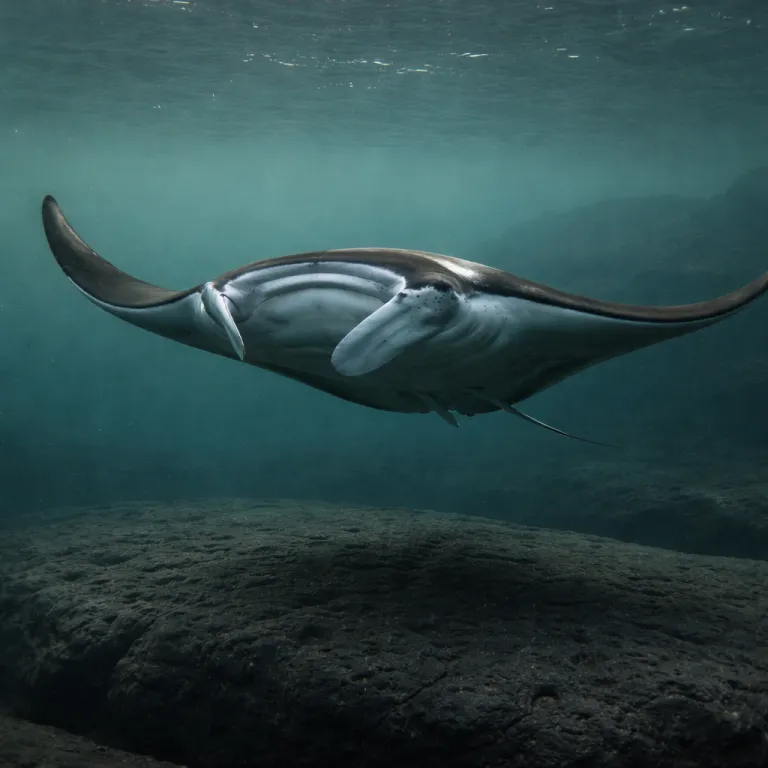
The manta ray night dive off Kona: Hawaii’s most elemental luxury
On the leeward flank of Hawaii’s Big Island, the manta ray night dive off Kona feels less like an excursion and more like a quiet appointment with the Pacific. From a private lanai at a Kohala Coast resort, you will watch the sun fall behind the horizon, then drive forty minutes south where the lava shelf drops into deep water and the real theatre begins. Within an hour you are slipping into the ocean at night, lights blazing, as manta rays with wingspans up to 12 feet glide within centimetres of your mask.
The manta ray night dive Kona Big Island operators run is deceptively simple, yet the choreography is precise and the luxury traveller notices every detail. Boats leave Kailua Kona in the early evening, often timing a twilight reef dive or snorkel session before the main event, so divers can adjust to the water and check their scuba gear in daylight. During the surface interval you will sit on deck with a hot drink, watching the sky turn indigo over the island while crews brief you on manta behaviour, safety, and how to protect the rays.
Once the sun is gone, the night dives begin in earnest and the science takes over. Powerful lights on the night reef and from the boat attract clouds of plankton, which in turn draw mantas into tight feeding loops above divers and snorkellers. For many guests staying in high quality oceanfront suites, this is the single most memorable water activity of their entire Hawaii itinerary, more visceral than a reef dive and more intimate than a daytime whale watch.
How the light, plankton and mantas create the Kona night ballet
The manta ray night dive Kona Big Island experience works because light reshapes the food chain in a very local way. Dive lights and surface rafts concentrate plankton into shimmering columns, and the mantas quickly learn that these bright patches of water mean an easy meal. As the rays arrive, they loop and roll through the beams, white bellies flashing as they funnel water and plankton into their cavernous mouths.
From the bottom, scuba divers lie on the sand with their tank and dive gear neatly tucked, pointing beams upward to create a luminous stage. Above them, snorkellers hold onto lit boards or ropes, forming a second halo of light that keeps the plankton layer suspended between both groups. The result is a living amphitheatre where manta rays, sometimes ten or more on a strong plankton night, pass repeatedly within arm’s length yet never touch you.
Operators like Big Island Divers and Aquatic Life Divers have refined this dive experience over thousands of dives, coordinating with other island divers and local marine groups to manage boat numbers and light intensity. The best crews explain how individual manta rays are identified by the unique spot patterns on their bellies, and why a calm, still body position in the water helps mantas feel safe enough to continue their feeding. When the lights finally click off and the rays fade into the dark, you surface into a quiet Kona night that feels very far from the resort pool bar.
Snorkel board or scuba tank: choosing your manta perspective
For the manta ray night dive Kona Big Island outings, your first decision is whether to stay on the surface with a snorkel or descend with a scuba tank. Snorkelling suits most travellers, including confident swimmers who have never tried scuba diving, and it offers a front row seat as mantas brush past just beneath the board. You float in a wetsuit, gripping a rail while guides manage the lights and keep the group together in gently rocking water.
Scuba divers, by contrast, kneel or hover on the bottom during the manta dive, looking up into the cone of light as the rays sweep overhead in slow motion. This perspective turns the night dive into a cathedral like experience, with beams of light cutting through the dark and mantas spiralling through them like flying carpets. Open Water Certification is typically required, and reputable operators will check that your PADI or equivalent card is current before confirming your place on the scuba charter.
If you are staying at a luxury property on the Big Island, concierge teams will often ask about your comfort level in the ocean before recommending snorkel or tank dive options. Those prone to seasickness may prefer a shorter charter with only one manta dive, while experienced divers sometimes choose a two tank manta itinerary that includes a twilight reef dive first. Either way, expect high quality dive gear or gear rentals on board, hot drinks after the ray night session, and a slow ride back to Kona under a sky crowded with stars.
What separates a refined manta charter from a crowded circus
Not every manta ray night dive Kona Big Island operator runs the same style of trip, and luxury travellers should be selective. A refined scuba charter limits group sizes, keeps a generous guide to guest ratio, and staggers entry so the water never feels like a traffic jam of fins and elbows. Before you book, ask how many divers and snorkellers they take per boat, and whether they coordinate with other island divers to avoid overcrowding at the night reef site.
High quality operators brief guests thoroughly on how to behave around manta rays, emphasising no chasing, no touching, and keeping dive gear streamlined to avoid accidental contact. They will also explain their environmental protocols, from how they position lights to minimise stress on mantas to how they handle nights when rays simply do not appear. Look for crews who talk about long term manta identification projects and who treat the animals as residents rather than attractions.
From a hospitality perspective, the best manta dive charters feel aligned with the standards of a five star resort. Wet towels, hot chocolate, and clear communication about water conditions turn a potentially challenging night dive into a smooth, almost meditative outing. If a company guarantees manta rays on every ray dive, be cautious ; ocean wildlife never runs on a timetable, and honest operators will tell you that while some nights bring ten mantas, others bring only one or none at all.
Comfort, conservation and how to weave the dive into a luxury stay
Planning the manta ray night dive Kona Big Island around your hotel stay is as much about comfort as logistics. Water temperatures off Kona are generally mild, yet after forty minutes of still floating or a full dive manta session, even strong swimmers can feel chilled. Pack or request a thicker wetsuit, and bring a warm layer to slip on during the ride back to the harbour at night.
Physically, the experience is accessible for most healthy travellers, but it is still an open ocean activity with swell, current and the sensory intensity of bright lights in dark water. Non divers who are nervous can start with a gentle snorkel in Kealakekua Bay or a shallow reef dive earlier in their trip, building confidence before committing to a ray night charter. Hotel concierges on the Big Island are used to pairing guests with the right operator, whether you want a private scuba diving charter, a small group tank manta outing, or a family friendly snorkel board session.
Conservation minded travellers should know that the Kona coast hosts a resident population of manta rays that local guides have followed for decades. Many boats support photo identification programs, and some collaborate with marine conservation groups to monitor manta health and behaviour. As one briefing often puts it on board, “Are manta rays dangerous to humans? No, manta rays are harmless and have no stingers.”
Booking from a luxury hotel: practical tips and what to ask
When you reserve the manta ray night dive Kona Big Island from a luxury or premium hotel, treat it as you would a fine dining reservation. Book several days ahead, especially if you want a specific operator such as Big Island Divers or Aquatic Life Divers, because peak evenings fill quickly. Ask your concierge which charters align best with your expectations for service, group size, and the level of personal attention you prefer in the water.
Clarify what is included in the price, from dive gear and snorkel equipment to wetsuits, lights and on board refreshments. Some operators include full gear rentals and a two tank dive structure with a twilight reef dive followed by the manta dive, while others focus on a single night dive to keep the outing shorter. If you are a certified diver, confirm that your PADI or other certification level matches the planned depth and conditions, and that there is flexibility to adjust if the water is rough.
Finally, build in recovery time around the charter within your Big Island itinerary, especially if you are combining the manta dive with early morning volcano hikes or coffee farm visits. A late night on the water followed by a pre dawn drive across the island can erode the sense of ease that defines a luxury stay in Hawaii. Treated as a centrepiece rather than an afterthought, the manta ray night dive becomes the quiet, luminous counterpoint to your days of lava fields, Kona coffee tastings and long, unhurried swims in hotel pools.
FAQ
Is prior scuba diving experience required for the manta night dive?
For the scuba version of the manta ray night dive Kona Big Island, prior experience is essential. Operators usually require at least an Open Water level certification from PADI or an equivalent agency, and they may ask about your recent dive history. If you are not certified, you can still join as a snorkeller and watch the manta rays from the surface.
Are manta rays dangerous to humans during the night dives?
Manta rays are considered gentle filter feeders and pose no direct threat to humans in the water. They have no stingers, no barbs and no interest in anything except the plankton drawn to the lights during the night dive. Respectful behaviour, such as not touching or chasing the rays, keeps both guests and animals safe.
What is the best time of year for a manta ray night dive in Kona?
The manta ray night dive Kona Big Island is offered year round, with relatively stable conditions on the leeward coast. Many operators note that the calmer seas and longer evenings of late spring through early autumn often provide especially comfortable conditions. That said, plankton levels and manta activity can vary, so no specific month guarantees more rays.
How cold is the water during the Kona manta night dives?
Water temperatures off Kona are typically warm enough for a thin wetsuit, yet guests often feel cooler during a long, still manta dive at night. Most operators provide wetsuits as part of their gear rentals, and luxury hotels can advise on what thickness suits your comfort level. Bringing a dry layer for the boat ride back helps maintain warmth after leaving the water.
Can children or less confident swimmers join a manta ray charter?
Many manta charters welcome older children and less confident swimmers, especially on snorkel focused trips with strong guide support. It is important to discuss age limits, swimming ability and comfort in open water with the operator before booking. Some families choose a private charter or smaller group to ensure personalised attention and a calmer experience for younger guests.
References
Love Big Island (marine activities overview, manta behaviour context)
PADI (training standards and guidance for night diving practices)
NOAA Pacific Islands Region (background on Hawaii marine wildlife and regulations)