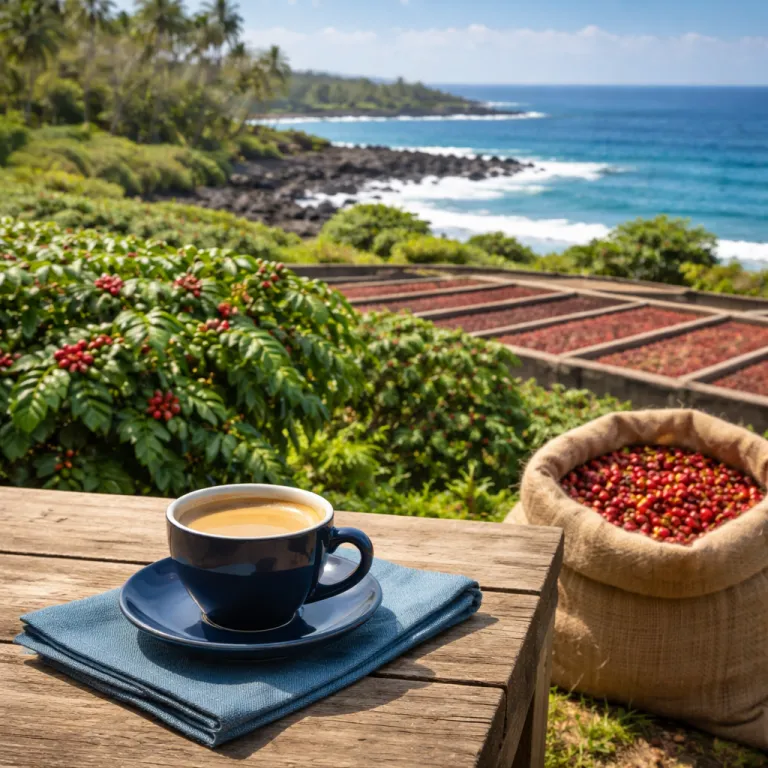
Why a kona coffee farm tour on the big island belongs in a luxury itinerary
Kona coffee grows on a narrow volcanic slope, and a well planned visit to working estates on the Big Island can feel as curated as any chef’s table. The best farms stretch along the flanks of Hualālai and Mauna Loa between roughly 200 and 750 metres, where porous lava, afternoon clouds and steady temperatures create a microclimate that shapes every coffee bean. For travellers used to five star lobbies, this is the rare agricultural experience that matches luxury standards while staying rooted in authentic Hawaiian farming culture.
On this island, coffee is not a side activity but a living history of migration, smallholdings and meticulous craft that still shapes daily life in Kona. A thoughtful island guide or private tour guide will frame each farm visit as part of an ahupuaʻa style landscape, linking upland coffee orchards with coastal fishponds and the lava flows you see from your resort. When you plan several tastings as carefully as you plan dinners, the result is a sequence of Kona coffee farm tours on the Big Island that reveal how volcanic soil, elevation and processing choices translate into the cup you sip at sunrise.
Luxury travellers often ask whether dedicating half a day to coffee is worth the time compared with another spa treatment. The answer is yes when you choose guided visits that go beyond a quick free sample and instead offer structured tasting flights, roasting demonstrations and time with growers who still walk their tree coffee rows every morning. As one long time farmer explained during a recent visit, “We treat every harvest like a vintage,” and thinking of your day as a terroir focused tasting menu, where each estate becomes a different course and your coffee guide is as knowledgeable as any sommelier in Hawaiʻi, helps the experience feel truly indulgent.
How kona coffee is grown and why the big island tastes different
Understanding why Kona beans command premium prices starts with the land itself and the way each farm works its steep plots. The coffee farms sit on young volcanic rock that drains quickly, forcing roots deep while afternoon mists cool the cherries and protect delicate blossoms from the intense Hawaiian sun. This combination of porous soil, moderate temperatures and regular rainfall produces coffee beans with a clean profile, gentle acidity and layered sweetness that serious tasters recognise immediately.
On a detailed Kona coffee farm tour on the Big Island, a good tour guide will walk you from tree coffee rows to pulping shed in a few minutes, explaining how hand picking only ripe red cherries protects quality. You will see how washed processing, careful fermentation and slow drying on raised decks or hoshidana style platforms preserve aromatics before coffee roasting ever begins. The best farm tours let you handle parchment coffee, compare different roast levels and taste how a few seconds more in the roaster can shift a Kona cup from bright citrus to deeper chocolate notes.
Hawaiian producers work on a small scale compared with other coffee regions, and that intimacy is part of the experience for visitors staying in luxury hotels from Kailua Kona to the Kohala Coast. Many farms are family run, with owners still managing everything from pruning to roasting and retail, which means your questions about flavour, altitude and harvest timing are answered by the people who made the decisions. If you are planning a wider island circuit from Kona to Hawaiʻi Volcanoes National Park, pair your coffee tours with a refined guide for Big Island stays so your overnight stops align with the most interesting farms.
Choosing the right kona coffee farm tours for a premium stay
Not every Kona coffee farm tour on the Big Island is created equal, and luxury travellers should curate visits with the same care they apply to hotel selection. Some farms focus on quick bus friendly tours with a short script and a basic tasting, while others offer slower, more technical experiences that suit guests who already know their way around single origin coffee. The best approach is to mix one or two larger, well organised farms with a couple of smaller estates that specialise in intimate, guided sessions.
Greenwell Farms is a benchmark for many visitors, offering a free guided walk through historic groves and processing areas that works well if you have only 45 to 60 minutes between other island activities. Their guides explain how annual Kona coffee production reaches about 2.7 million pounds, and why careful sorting and roasting justify an average price of around 45 USD per pound for 100 percent Kona coffee; both figures are consistent with recent summaries from the Hawaii Coffee Association and farm direct price lists. For a more immersive farm tour, Heavenly Hawaiian leans into hands on experiences, from picking cherries in season to learning basic coffee roasting techniques before a structured tasting on their lanai.
Mountain Thunder, set higher on the slopes above Kailua Kona, specialises in deeper education with cupping style tastings that appeal to guests who already collect single estate coffees at home. Here, a guided visit can run longer, so plan your time carefully and allow space in your schedule for slow driving on narrow mountain roads and limited parking near some trailheads. If you prefer to base yourself near the water and dip into coffee farms as half day excursions, consider staying in elegant Kailua Kona accommodations such as the properties highlighted in a curated guide to refined things to do on the Big Island, then layering farm visits around your chosen resort or condominium.
Signature farms for serious coffee tasting on the big island
For travellers who treat coffee like wine, a Kona coffee farm tour on the Big Island becomes a tasting itinerary rather than a single stop. Start with Greenwell Farms for a sense of scale and history, then move to smaller estates such as Hula Daddy Kona Coffee, where intimate tours and limited production lots reward focused palates. At Hula Daddy, a guided tasting might include side by side comparisons of different elevations or processing methods, giving you a clear sense of how microclimate shapes flavour.
Heavenly Hawaiian offers a particularly romantic setting for couples, with sweeping ocean views that pair well with late afternoon coffee tours and golden hour photography. Their farm tours often include time spent under shade trees, learning how tree coffee is pruned and how flowering patterns can be affected by unusual weather events such as Kona snow style blossom bursts after heavy rain. Many guests choose to book a private tour guide here, turning the visit into a personalised masterclass that fits neatly between a leisurely brunch and a sunset dinner back at your hotel.
Mountain Thunder, perched higher in the cloud belt, showcases a different side of Kona coffee with cooler temperatures and slower ripening that can intensify sweetness in the coffee beans. Their focus on coffee roasting and cupping means you will likely spend more minutes indoors in the roasting room and tasting lab, which can be welcome on a hot Hawaiian afternoon. If you want an island guide who can weave these visits into a broader narrative that includes cacao farms, art galleries and coastal viewpoints, consider commissioning a private driver guide for a full day circuit, and confirm accessibility needs in advance if anyone in your group has mobility limitations.
Designing a coffee focused day from your luxury hotel base
Building a coffee centric day around a Kona coffee farm tour on the Big Island is straightforward when you understand distances and driving times. Most Kona coffee farms sit within 20 to 40 minutes of central Kailua Kona by car, which makes them ideal half day excursions from oceanfront resorts and premium vacation rentals. The key is to avoid stacking too many tours in one block, because palate fatigue is real even for seasoned tasters.
Start with a morning visit to one of the larger coffee farms such as Greenwell Farms, when temperatures are cooler and the light is softer for photography among the trees. After a guided walk and tasting, head back toward town for a long lunch, perhaps followed by a swim or spa treatment at your hotel to reset your senses before an afternoon coffee tour. Later, drive mauka again for a second farm visit at a smaller estate like Heavenly Hawaiian or Hula Daddy, where you can focus on a single flight of coffees and ask detailed questions about harvest timing in April or how they manage shade trees.
If you are staying in Kailua Kona itself, properties near the waterfront make logistics especially easy, and you can review your tasting notes over sunset drinks on your lanai. For couples who prefer a residential feel with hotel level comfort, the refined condominium options highlighted in an elegant Kailua Kona condo guide place you within a short drive of many coffee farms. Wherever you stay, leave some free time in your schedule for unplanned stops at roadside farm stands or small roasteries that catch your eye as you follow the curves of the mountain road, and remember that some smaller operations close on Sundays or during peak harvest days.
Beyond the cup: chocolate, living history and buying kona coffee well
A thoughtful Kona coffee farm tour on the Big Island should also introduce you to the region’s emerging cacao and chocolate scene. The same volcanic soils and humid, wind protected valleys that favour coffee farms also support small cacao groves, making Hawaiʻi the only American state where chocolate can be grown and processed locally from bean to bar. Some estates now offer combined coffee and cacao tours, where you can taste roasted coffee beans alongside roasted cacao nibs and understand how fermentation shapes both products.
Many of the older Kona coffee farms double as living history sites, with original stone walls, vintage pulpers and family homes that tell the story of immigrant labour and multi generational stewardship. When a guide pauses beside an old drying deck to explain how “What is Kona coffee?” and “How long do farm tours last?” and “Do I need to book tours in advance?” are still the most common questions they hear, you realise how much knowledge is packed into those 45 to 60 minutes. These same guides will often explain why you should prioritise bags labelled 100 percent Kona coffee over blends, check roast dates carefully and buy enough to last a few months rather than a full year.
As you shop, ask whether the farm offers shipping, which can be useful if you are continuing around the island to Hilo or the volcano region and do not want to carry several kilograms of coffee. Look for single estate lots, limited seasonal releases and information about altitude and processing on the label, all of which signal a producer who treats coffee with the same seriousness as a fine winery. If you visit in April or other shoulder months, you may find fewer crowds on tours and more time to talk with roasters about topics such as Kona snow style flowering patterns, experimental coffee roasting profiles or how hala tree windbreaks protect delicate branches during winter storms.
Key figures for planning your kona coffee farm tour on the big island
- Annual Kona coffee production is around 2.7 million pounds according to recent Hawaii Coffee Association reports, which underscores how limited this origin is compared with major global producers.
- The average price per pound of 100 percent Kona coffee sold directly by farms is about 45 USD, reflecting both high labour costs and the premium attached to this specific Hawaiian appellation, as shown in typical farm shop price lists.
- Most guided coffee farm tours in the Kona belt last between 45 and 60 minutes, making it realistic to visit two farms in a single day without feeling rushed.
- Many leading farms, including Greenwell Farms, offer at least one free or low cost introductory tour daily, which can be paired with paid, more technical tastings for serious enthusiasts.
- The Kona coffee belt itself is only a few kilometres wide along the western slopes of Hualālai and Mauna Loa, yet it supports dozens of coffee farms that collectively anchor the region’s agricultural tourism.
FAQ about kona coffee farm tours on the big island
What is Kona coffee and why is it special?
Kona coffee is a premium arabica coffee grown exclusively on the western slopes of the Big Island of Hawaiʻi, in a narrow belt above Kailua Kona. Volcanic soils, moderate temperatures and regular afternoon clouds create a distinctive microclimate that produces beans with balanced acidity, medium body and complex sweetness. Limited production and intensive hand labour further contribute to its reputation and higher price.
How long do typical kona coffee farm tours last?
Most Kona coffee farm tours on the Big Island run between 45 and 60 minutes, which is enough time to walk through the trees, see basic processing steps and enjoy a guided tasting. Larger farms may offer shorter introductory tours alongside longer, more technical sessions that include cupping or roasting demonstrations. If you plan to visit multiple farms in one day, allow at least 90 minutes per stop to include driving, check in and shopping.
Do I need to book coffee tours in advance?
Advance reservations are strongly recommended for any Kona coffee farm tour on the Big Island, especially during peak visitor seasons and holiday periods. Some farms such as Greenwell Farms may offer free walk in tours at set times, but spaces on more in depth tastings and roasting workshops are often limited. Booking ahead also allows you to coordinate tour times with other activities and transfers from your hotel.
Which farms are best for serious coffee enthusiasts?
Travellers who already know their way around single origin coffee often gravitate toward farms such as Greenwell Farms, Heavenly Hawaiian, Mountain Thunder and Hula Daddy Kona Coffee. These producers offer more detailed explanations of cultivation, processing and roasting, along with structured tastings that highlight differences between lots. Combining two or three of these estates in a single day creates a rich comparative experience that justifies dedicating significant time to coffee during your stay.
Can I ship kona coffee home after my tour?
Most established Kona coffee farms provide shipping services to the continental United States and often to international destinations, which is convenient if you are travelling light. Staff can advise you on optimal quantities, roast levels and packaging to preserve freshness during transit. When shipping, consider ordering a mix of everyday drinking roasts and a few special reserve lots to extend the pleasure of your Big Island trip once you return home.