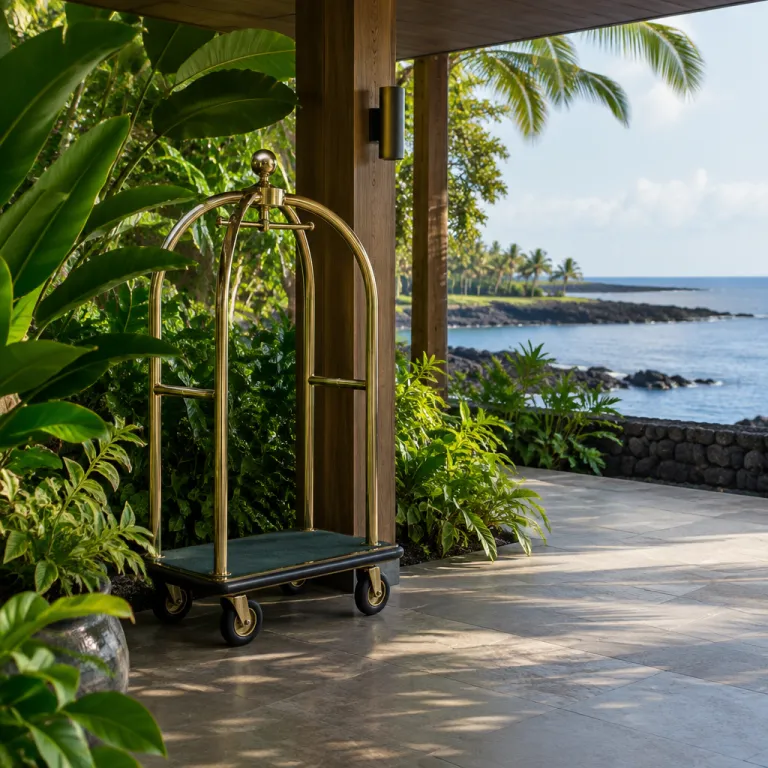
Understanding Kona District Hawaii for luxury beachfront stays
The Kona District in Hawaii stretches along the leeward side of the Big Island, where dry weather and calm seas create ideal conditions for luxury hotels. Sheltered by Hualālai and Mauna Loa, this island Kona coastline offers long sunny days that appeal to travelers seeking refined sea views and premium service. Here, the meaning of Kona in Hawaiian as the dry side of an island becomes very real, with rainfall near the shore measured at roughly 9 inches each year in some coastal zones.
North Kona and South Kona together cover about 824 square miles (around 2,135 square kilometres), yet most premium hotels cluster within a few coastal miles around Kailua Kona. This compact area along the Kona Coast allows guests to move easily between serene Kona beaches, upscale restaurants, and historical sites without long drives across the island. When you book in this part of Hawaii, you gain quick access to both resort-style activities and authentic Hawaiian cultural experiences on the same day.
Kailua, often called Historic Kailua Village or simply Kailua Kona, serves as the commercial and cultural heart of Kona Hawaii. King Kamehameha I used Kailua Kona as his royal centre and seat of government in the late 18th and early 19th centuries, and that legacy still shapes the town’s character. Today, luxury hotels line sections of Alii Drive, placing guests within walking distance of the sea, farmers markets, and carefully preserved Kona historical landmarks.
Choosing the right beachfront area in Kona District Hawaii
Location defines your stay in Kona District Hawaii, especially when you want direct beach access and quiet surroundings. North Kona offers larger resorts with extensive pools and manicured Kona beaches, while South Kona leans toward intimate coastal hideaways near rugged lava shores and protected bays. Both sides of the district share the same warm sea and sunsets, yet the atmosphere shifts noticeably as you drive south from Kailua Kona.
For travellers who prioritise convenience, staying near Kailua Kona places you close to Kona International Airport and the main Alii Drive oceanfront strip. This area of island Kona suits guests who enjoy walking to cafés, art galleries, and evening activities after a day by the sea. If you prefer more seclusion, properties further into South Kona bring you nearer to Kealakekua Bay and Puʻuhonua o Hōnaunau, where the coastline feels wilder and the night skies darker.
Many visitors compare premium hotels with elegant villas before booking, especially along the Kona Coast. If you are considering a private residence instead of a hotel, reviewing options for elegant homes for rent in Kona Hawaii for oceanfront escapes helps you understand how villa amenities differ from resort services. Whichever style you choose, focus on precise location, beach type, and distance in kilometres to your preferred activities rather than only on room photos.
Signature beachfront experiences from Kailua Kona to South Kona
Staying in a luxury hotel along Kona District Hawaii means waking to the sound of the sea and ending each day with a sunset over the Pacific. Many high-end properties in Kailua Kona design their pools and terraces to frame this view, turning every evening into a natural spectacle. On calm days, you can step directly from manicured lawns to the beach and swim in clear water within a few metres of your room.
Further along the south side, near Kealakekua Bay and Hōnaunau, the coastline becomes more dramatic, with lava cliffs, coral reefs, and small pocket beaches. Guests often join a guided tour by boat or kayak from these areas, combining snorkelling with visits to sacred Hawaiian sites on the same outing. The bay where Captain Cook landed and later died now offers some of the most vibrant underwater life on the Big Island, making it a highlight for travellers who value both history and marine activities.
Luxury travellers sometimes split their stay between Kona Hawaii and the greener east side of the island to experience contrasting climates. If you are considering this approach, reviewing refined options such as a Hilo beach house inn stay for oceanfront escapes can help before finalising your itinerary. Combining the dry Kona Coast with the lush Hilo side allows you to enjoy both consistent sunshine and waterfalls within a single trip.
From Kona coffee farms to manta ray nights: curated activities
One of the defining pleasures of staying in Kona District Hawaii is the proximity to world-renowned Kona coffee farms. Many luxury hotels arrange private transfers up the slopes of Hualālai or Mauna Loa, where guests can walk through coffee groves and taste freshly roasted beans at the source. These excursions reveal how the volcanic soil and leeward climate of this part of Hawaii shape the flavour of each cup.
Daytime activities often revolve around the sea, with snorkelling, stand up paddling, and sailing tours departing from harbours near Kailua Kona. A popular option is an evening cruise to observe manta ray gatherings, where specialist operators position guests safely above these graceful animals as they feed. One guest described the moment the first manta glided past as “like watching a silent ballet under the boat lights,” a memory that often becomes the emotional highlight of a stay.
On land, travellers can visit farmers markets in both North Kona and South Kona to sample local fruit, artisanal foods, and of course Kona coffee in multiple styles. These markets, often a short drive of a few kilometres from major resorts, provide a direct connection to the community that grows and prepares the food served in hotel restaurants. For guests who like structured planning, a detailed travel guide or a personalised guide Kona prepared by a concierge can help sequence coffee tastings, cultural visits, and sea-based activities without rushing.
Practical booking advice for premium stays in Kona District Hawaii
When booking a luxury hotel in Kona District Hawaii, start by clarifying how you want to use the beach and the sea. Some properties sit on rocky shoreline with superb views but limited swimming access, while others front sandy stretches that suit families and casual swimmers. Reading each hotel article carefully and comparing several articles from trusted travel publications helps you understand these nuances before you commit.
Room selection matters just as much as the property itself, especially along the busy side of Kailua Kona. Oceanfront suites on higher floors often provide quieter nights than ground-level rooms near pools or public paths, even when they share the same square metres. If you are sensitive to noise, ask the hotel directly about distance in metres from your preferred room category to Alii Drive and other lively areas.
Transport logistics also influence your experience on the Big Island of the United States, particularly if you plan to explore both North Kona and South Kona. Many visitors arrive through Kona International Airport, then use a rental car to reach hotels scattered along the Kona Coast within 15 to 40 kilometres. Before finalising your reservation, confirm parking policies, resort fees, and any mandatory charges for sea-based activities so that your final bill aligns with your expectations.
Designing a beachfront itinerary along the Kona Coast
A well-planned itinerary in Kona District Hawaii balances relaxation on the beach with curated excursions across the island. On your first full day, staying close to your hotel allows you to adjust to the climate while enjoying the sea, pool, and nearby cafés along Alii Drive. Later in the trip, you can extend your range to include half-day or full-day tours into both North Kona and South Kona.
Many travellers dedicate one day to the historical and cultural heart of Kailua Kona, visiting landmarks linked to King Kamehameha I and the evolution of the town from royal seat to modern hub. Another day might focus on Kealakekua Bay, where guided snorkel tours combine marine life with the story of Captain Cook and his final days in Hawaii. For a contrasting perspective, consider a scenic drive of several dozen miles to higher elevations, where cooler air and coffee farms offer a different view of the same island.
If you enjoy structured planning, consult a detailed travel guide to the Big Island that includes a dedicated section on Kona Hawaii and its beaches. You can also use curated resources such as a selection of refined things to do on Hawaii’s Big Island to refine your list of priorities. Remember to schedule rest days with minimal activities, allowing time to simply walk the shoreline, watch the sea, and appreciate why this side of the island has attracted visitors for centuries.
Culture, history, and respect along Kona beaches
Luxury travel in Kona District Hawaii gains depth when you engage with the Hawaiian culture that shaped this coastline long before modern hotels. Historic Kailua Village still reflects its role as a royal and religious centre, with heiau, royal compounds, and churches standing within a few hundred metres of contemporary resorts. Walking these areas with a knowledgeable guide Kona helps you understand how the past and present coexist along the same stretch of sea.
Local experts often remind visitors that “What does ‘Kona’ mean in Hawaiian? Leeward or dry side of an island,” and that this environment has always required careful stewardship of water and land. Respecting marked cultural sites, following reef-safe practices in the sea, and supporting farmers markets that prioritise local products all contribute to sustainable tourism. When you choose hotels and tours that honour these principles, your stay supports both the community and the fragile ecosystems that make the Kona Coast so appealing.
Evening strolls along the shoreline reveal another layer of life on the Big Island, as residents and visitors share the same paths to watch the sunset. From Kailua Kona to quieter pockets of South Kona, you will see families fishing, paddlers returning from the bay, and sometimes boats heading out for manta ray excursions under the stars. These moments, measured not in miles but in memories, often become the most enduring part of a stay in Kona Hawaii.
Key figures about Kona District Hawaii luxury stays
- North Kona covers approximately 489 square miles, while South Kona spans about 335 square miles, giving the district a combined area of roughly 824 square miles, larger than many entire islands in the Pacific (Hawaii County districts data).
- The coastal zone near Kailua Kona receives around 9 inches of rain annually, creating one of the driest and sunniest microclimates on the island and making it highly attractive for beachfront resorts (Hawaii County facts and climate summaries).
- Kailua Kona’s population was recorded at roughly 19,000 residents in the 2020 census, which means visitor numbers during peak seasons can temporarily exceed the local population (U.S. Census Bureau data for Kailua Kona).
- Kealakekua Bay in South Kona is recognised as the place where Captain James Cook landed and died, and today it is one of the most visited marine conservation areas on the Kona Coast (historical records of Captain Cook and Hawaii marine reserve information).
FAQ about Kona District Hawaii beachfront stays
What is the best area in Kona District Hawaii for luxury beachfront hotels ?
The highest concentration of luxury beachfront hotels lies between Kailua Kona and the resort zones of North Kona, where the coastline offers a mix of sandy beaches and lava rock shelves. This area benefits from short transfer times from Kona International Airport and easy access to restaurants, shops, and historical sites. Travellers seeking more seclusion often choose smaller properties further into South Kona, trading proximity to nightlife for quieter nights and closer access to Kealakekua Bay.
How far are Kona beaches from Kona International Airport ?
Most major Kona beaches near Kailua Kona sit between 10 and 25 kilometres from Kona International Airport by road. Depending on traffic and exact hotel location along Alii Drive or the highway, the drive usually takes 20 to 40 minutes. More remote beaches in South Kona can require up to an hour of driving, so factor this into your arrival and departure planning.
Is Kona coffee really different from other coffees ?
Kona coffee is grown on the upland slopes above the Kona Coast, where volcanic soil, moderate temperatures, and the leeward climate create distinctive growing conditions. These factors produce beans known for smooth acidity, medium body, and complex aromas, which is why Kona coffee commands premium prices worldwide. Visiting farms in both North Kona and South Kona allows you to taste differences between single-estate coffees and blends while seeing the production process first hand.
Can I swim with manta ray safely during my stay ?
Swimming or snorkelling near manta ray is possible through licensed operators who follow strict safety and environmental guidelines. Tours usually depart after sunset from harbours near Kailua Kona or further south, using lights to attract plankton that in turn draw manta ray to feed. Choosing a reputable company, listening carefully to briefings, and avoiding physical contact with the animals ensures a safe and respectful experience.
Do I need a car to explore Kona District Hawaii from my hotel ?
While some guests remain near their beachfront hotel and walk along Alii Drive, a rental car greatly expands your options across the Big Island. With a vehicle, you can reach Kealakekua Bay, coffee farms, farmers markets, and viewpoints in both North Kona and South Kona within reasonable driving times. Taxis and rideshare services exist but may be limited outside Kailua Kona, so independent transport offers more flexibility for day trips.