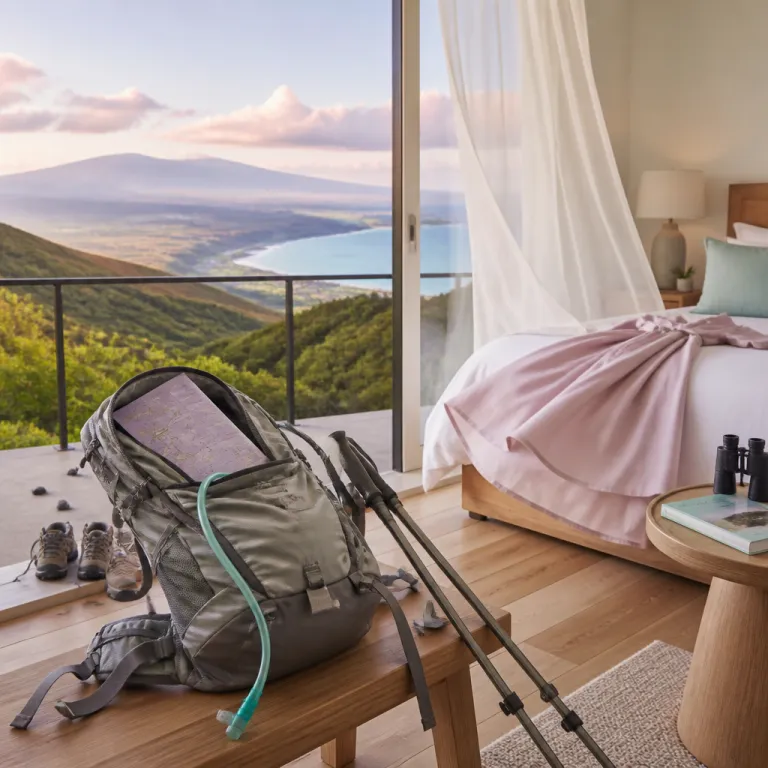
Where to stay for the big island hikes around Hawaiʻi Volcanoes National Park
Luxury travelers drawn to the big island hikes often start with Hawaiʻi Volcanoes National Park, where lava rock landscapes meet rainforest in dramatic contrast. This national park sits on the southeastern side of the island, so choosing an upscale hotel or villa within about 45 to 60 minutes by road keeps sunrise and sunset hiking easily accessible. For guests who value privacy, high end rentals near Volcano village combine spacious suites, curated art, and fast access to every major trail in the area.
The most talked about route for many visitors is the Kīlauea Iki trail, a 3.0 to 3.3 mile (4.8–5.3 km) loop with roughly 400 feet (120 m) of elevation change that crosses a cooled crater rim and then drops onto a hardened lava lake that still radiates heat in places. According to National Park Service guidance, “Kīlauea Iki Trail is highly recommended,” and private guides can explain the geology while you hike across the crater floor. These curated hiking experiences turn a standard outing into a narrative journey, with chilled water, gourmet snacks, and detailed map briefings delivered in your suite the evening before.
When you compare the best hikes inside Hawaiʻi Volcanoes National Park, you will notice a mix of short nature trail options and longer day hikes that demand more preparation. Families often choose kid friendly loops near the Kīlauea Visitor Center, where parking is straightforward and restrooms are close to the trailhead, while experienced hikers may opt for full day routes that link several trails into one ambitious hike. Current National Park Service information notes roughly 150 miles (about 240 km) of maintained paths, so a good luxury hotel on the big island will coordinate real time updates on Hawaiʻi Volcanoes activity, arrange transport along Crater Rim Drive, and ensure you return to a hot stone bath or spa treatment after a demanding day of hiking.
Pairing Kohala Coast luxury resorts with coastal trails and green sand adventures
On the sunny northwest of Hawaiʻi Island, the Kohala Coast blends five star resorts with easy access to coastal hikes big on ocean views. Guests who want the big island hikes without sacrificing beach time often base themselves here, then drive closer to 2.5 to 3 hours south to the trailhead for the famous green sand beach near Papakōlea, reached by a roughly 5.6 mile (9 km) round trip coastal track with little shade. The contrast between manicured resort lawns and raw lava rock cliffs gives every hike a sense of drama that feels uniquely island Hawai.
Many premium properties along this coast sit within a short walk or a few minutes drive of shoreline paths that follow ancient lava rock flows and low lying dunes. These coastal hikes are usually kid friendly in dry weather, with gentle gradients, frequent ocean access points, and clear map signage at main parking areas. For an in depth look at one of the area’s most refined stays, you can review beachfront luxury on the Kohala Coast through this detailed guide to Fairmont Orchid resort experiences, then plan which nearby trail networks match your hiking style.
Food focused travelers often time their hikes around seasonal produce, combining morning hiking with long lunches back at the resort. During mango season, for example, many hotel restaurants highlight local fruit on tasting menus, and hikers can learn about rare varieties and farm visits through this resource on mango season on the Big Island. This kind of planning lets you enjoy the best hikes near the coast, cool off in clear water at a sheltered beach, then return to refined dining that celebrates the same island landscapes you explored on foot.
Rainforest luxury near Akaka Falls and the lush north coast trails
The Hamakua coast on the northeast side of Hawaiʻi Island offers a different mood, with rainforest, waterfalls, and cooler air shaping many of the big island hikes. Travelers who book luxury lodges or premium bed and breakfast properties here are usually within 20 to 40 minutes of several short but spectacular hikes, including the celebrated Akaka Falls loop. This region suits guests who prefer green valleys and constant water sounds over stark lava rock and open crater views.
Akaka Falls State Park features a paved nature trail of about 0.4 miles (0.6 km) that loops through bamboo, ferns, and wild ginger before revealing a dramatic waterfall plunging into a narrow gorge. The trail is short, often less than 45 minutes at a relaxed pace, which makes it one of the most kid friendly hikes big families choose when staying on the big island. Hawaiʻi State Parks information notes that the route includes stairs and can be slippery after rain, so luxury hosts in this area often provide printed map cards, umbrellas, and even light ponchos in each suite, because passing showers are common and the forest holds moisture long after the rain stops.
Beyond Akaka Falls, the north coast hides lesser known trails that trace old plantation roads and cliff edges, where views stretch across the ocean toward distant parts of island Hawai. Some premium properties partner with local guides who grew up in these valleys, adding cultural context about taro farming, national historic sites, and traditional land divisions that shaped where people could hike or fish. Guests interested in archaeology and culture can also combine their hiking days with a short drive to see the Puakō petroglyphs near major resorts, where a carefully maintained trail crosses lava rock etched with thousands of ancient carvings.
Mauna Kea, crater rims, and star focused itineraries from premium stays
For many guests, the most memorable of the big island hikes involve high altitude landscapes on Mauna Kea and the crater rim routes inside Hawaiʻi Volcanoes National Park. These hikes demand more planning than a casual beach walk, so luxury hotels that cater to serious hiking enthusiasts often maintain close contact with the State of Hawaiʻi Department of Land and Natural Resources and Hawaiʻi Volcanoes National Park staff. That collaboration helps staff advise on road closures, parking limits, and safe hiking windows measured in minutes and hours rather than vague estimates.
Mauna Kea summit hikes can take eight to ten hours, climbing from roughly 9,200 feet (2,800 m) at the visitor station to nearly 13,800 feet (4,205 m), and the combination of thin air, cold wind, and loose lava rock makes them suitable only for well prepared hikers. Access to the summit road is regulated by DLNR rules, with limited parking, strict no off trail requirements, and strong recommendations against children, pregnant travelers, or anyone with heart or lung conditions because of altitude sickness risk. Many premium properties therefore suggest guided hiking instead of self guided routes, arranging transport to the high altitude parking area and providing insulated water flasks, headlamps, and detailed map downloads for GPS apps.
Inside Hawaiʻi Volcanoes National Park, crater rim drives and short nature trail segments allow travelers to sample volcanic scenery without committing to long hikes. Families with younger children might walk only a few minutes from the car to a viewpoint, while experienced hikers link several trails into a half day hike that skirts active vents and older lava fields. The best hikes in this category balance safety and spectacle, and private vehicles arranged through your hotel mean you never worry about where to find parking or how late the road will remain open.
Designing kid friendly hiking days from luxury hotels across the island
Families booking premium hotels on the big island often ask how to combine kid friendly hikes with pool time and relaxed meals. The answer lies in choosing properties that sit within 30 to 60 minutes of several short trails, so you can adapt plans quickly if weather shifts or children tire earlier than expected. Many of the best hikes for families are located near major road corridors, which simplifies logistics and keeps travel stress low.
On the Kona side, coastal trails near Captain Cook and Kealakekua Bay offer gentle hiking with constant ocean views and frequent chances to stop for water or snacks. Typical family friendly routes here range from 1 to 3 miles (1.5–5 km) with modest elevation gain, and some luxury resorts in this region provide shuttle services to popular trailheads, along with child sized daypacks, printed map leaflets, and cool towels for the return ride. Parents appreciate how these services turn a simple hike into a curated outing, where every detail from parking to post hike refreshments is handled by the hotel team.
Elsewhere on Hawaiʻi Island, short nature trail loops near national historic parks introduce children to both culture and landscape in a single outing. Trails near Puʻuhonua o Hōnaunau National Historical Park, for example, combine lava rock shorelines, calm water pools, and shaded sections that stay comfortable even in midday sun. When you evaluate luxury properties, look for front desk teams who speak confidently about specific hikes big families enjoy, not just generic beach activities, because that signals real expertise in tailoring hiking days to different ages and abilities.
How luxury concierges curate the big island hikes for discerning travelers
High end hotels on Hawaiʻi Island increasingly treat hiking as a core part of the guest experience, not an afterthought. Concierges trained in local geography and safety protocols work closely with Hawaiʻi Volcanoes National Park rangers and independent guides to match each guest with the right hike. This collaboration reflects a broader shift toward eco tourism, where the big island hikes are framed as immersive learning experiences rather than simple workouts.
Before suggesting any trail, experienced staff review current weather, road conditions, and volcanic activity, then design a plan that fits your schedule in precise minutes. They might recommend a sunrise hike on a quiet nature trail, a midday visit to a shaded waterfall like Akaka Falls, or an evening walk along a coastal path where lava rock glows in the last light. For guests who want structured itineraries, some hotels prepare printed map packets that group the best hikes by region, such as volcanoes national routes, green sand beach excursions, or manu nature walks in the Kaulana Manu area.
Specialist concierges also understand how to integrate niche interests into hiking days, whether that means birdwatching on the Kaulana Manu trail, photography sessions on the trail Kaulana ridge segments, or geology focused tours of Hawaiʻi Volcanoes. They coordinate private drivers so you never worry about parking, arrange gourmet picnics with chilled water and local fruit, and schedule spa treatments timed to your return from the hike. When you evaluate a luxury property on the big island, ask how often their team personally hikes big routes like Kīlauea Iki or Kaulana Manu, because first hand experience is the clearest sign that their recommendations will be both safe and memorable.
Key figures about hiking and trails on Hawaiʻi Island
- Total trail length inside Hawaiʻi Volcanoes National Park is approximately 150 miles (about 240 km) of marked routes, according to National Park Service summaries, which means even frequent visitors rarely exhaust all hiking options in a single trip.
- Typical hiking times on signature routes vary widely, from 1 to 2 hours on coastal valley trails such as Pololū, up to 8 to 10 hours on demanding Mauna Kea summit hikes, so aligning hotel location with your preferred hike duration is essential.
- Guided hiking has grown steadily with the rise of eco tourism on the big island, and many luxury properties now partner with local guides to offer private hikes that emphasize geology, culture, or photography rather than speed or distance.
- Safety briefings from park rangers consistently highlight three essentials for every hike on Hawaiʻi Island: checking weather forecasts, staying on marked trails, and carrying sufficient water, all of which premium hotels can help organize before you leave your room.
FAQ about luxury stays and the big island hikes
What is the most popular hike on the Big Island for luxury travelers
Many guests staying in premium hotels choose the Kīlauea Iki trail inside Hawaiʻi Volcanoes National Park, because it combines an accessible distance with dramatic crater views and well maintained paths. The route is easy to pair with private guiding, chauffeured transport, and post hike spa treatments back at your hotel. Its location near the main park road also keeps transfer times predictable, which matters when you have dinner reservations.
Are permits required for the big island hikes near luxury resorts
Some trails on Hawaiʻi Island require permits, especially in sensitive conservation areas or on Mauna Kea summit routes, while many coastal and waterfall hikes remain permit free. Mauna Kea access rules typically include limited parking at the visitor station, mandatory respect for cultural sites, and strict closure during bad weather or poor visibility. Luxury concierges usually monitor these rules and can secure necessary permits or recommend alternative hikes if quotas are full, so always ask your hotel team to confirm current regulations a few days before your planned hike.
Is hiking safe during volcanic activity when staying near Hawaiʻi Volcanoes
Safety depends on current conditions, so you should always check official volcanic activity reports before hiking inside Hawaiʻi Volcanoes National Park. Luxury hotels in the region typically receive updates from park staff and adjust guest itineraries if air quality, lava flows, or road closures make a planned hike unsafe. When conditions are stable, many trails remain open and offer exceptional views of recent geological changes.
How long should I plan for a typical hike when staying at a luxury hotel
Short nature trail walks near resorts can take as little as 30 to 45 minutes, while classic day hikes such as Kīlauea Iki or coastal valley routes often require 2 to 3 hours including photo stops. Ambitious summit hikes on Mauna Kea or long crater rim combinations may take 6 to 10 hours and demand early starts, plus warm layers for temperatures that can drop near or below freezing at high elevation. Your hotel concierge can help match hike duration to your fitness level and dining plans.
Can families with young children enjoy the big island hikes from premium resorts
Yes, many hikes on Hawaiʻi Island are genuinely kid friendly, especially short loops near Akaka Falls, coastal paths with minimal elevation gain, and paved trails inside national historic parks. Luxury resorts often provide child focused amenities such as strollers, snacks, and flexible transport to and from trailheads. Planning shorter outings with plenty of water, sun protection, and shade makes hiking enjoyable for both children and adults.