Hawaiian healing traditions spa Big Island: where lineage meets luxury
On Hawaiʻi Island, the phrase “Hawaiian healing traditions spa Big Island” signals more than a pretty treatment menu. It points to a living continuum where lomilomi massage, lāʻau lapaʻau plant medicine, and volcanic mud treatments still sit within a cultural framework of kuleana, or responsibility. When you book a luxury resort spa or a discreet day spa here, you step into an island wellness landscape shaped by lava flows, ocean winds, and families who have practiced Hawaiian healing for generations.
Traditional lomilomi massage is not just a relaxing body treatment; it is a holistic practice that uses forearms and elbows in long, rhythmic strokes to encourage circulation, emotional release, and spiritual healing. Western massage often isolates muscles, while lomilomi works with the whole body as a single system, guided by the island spirit and the practitioner’s intention. For solo travelers choosing a spa experience on the Big Island, understanding this difference will help you select spa services that respect both your wellness goals and the cultural roots of Hawaiian spa traditions.
Across the Kohala Coast and beyond, luxury resort spas, independent healing spaces, and intimate retreat properties now collaborate with local practitioners. Cultural organizations and academic surveys note that only a relatively small number of traditional healers, or kāhuna, are publicly recognized across the Hawaiian Islands, and many work quietly rather than under bright resort lights. When you see a menu promising “traditional Hawaiian spa treatments” on Hawaiʻi Island, ask who trained the lomilomi practitioner and whether a Kahuna Lāʻau Lapaʻau or other elder advised on the treatments and treatment-room design; some spas will name their cultural advisor or cite partnerships with local lineages, such as programs developed with the Edith Kanakaʻole Foundation or informed by University of Hawaiʻi ethnobotanical research.
Lomilomi massage on Hawaiʻi Island: what to expect and where to book
Lomilomi, sometimes shortened locally to lomi, is often described by kūpuna (respected elders) as traditional Hawaiian massage focused on holistic healing of body, mind, and spirit. In practice on island Hawaiʻi, that means your spa experience may begin with pule, a short prayer, and a quiet moment to set intentions before any hands touch your body. The strokes feel like ocean swells rolling along your back, and a skilled lomilomi practitioner will adjust pressure so the treatment supports both physical healing and emotional release.
On the Kohala Coast, Hualalai Spa at Four Seasons Resort Hualalai offers a polished version of lomilomi within a full-service Hawaiian-inspired spa environment. Here, open-air treatment hales sit among lava rock and native plantings, and therapists often blend lomi techniques with warm stones and locally sourced oils for deeply restorative spa treatments. As spa director Kili K. has explained in guest materials, the goal is “to honor traditional Hawaiian healing while meeting modern wellness expectations.” This kind of resort setting suits travelers who want reliable five-star spa services, easy Big Island lomilomi booking, and the option to pair a massage with a long day by the ocean or a sunset dinner without leaving the property.
Elsewhere on the Big Island, smaller day spas and independent healing studios may offer lomilomi in simpler surroundings. You might find a hale ola-style wooden hale, or “house of life,” where the island spirit feels closer and the sound of the ocean replaces background music. These places often provide a more traditional Hawaiian healing atmosphere, and your lomi treatment will likely include conversation about your lifestyle, stress, and intentions rather than a quick in-and-out appointment; some practitioners will invite you to arrive early, drink herbal tea, and share what brought you to the island before the session begins.
Lāʻau lapaʻau and plant based treatments: from healing center to resort spa
Lāʻau lapaʻau, or Hawaiian herbal medicine, underpins many healing traditions on Hawaiʻi Island. Historically, a Kahuna Lāʻau Lapaʻau would gather noni, kukui, ʻolena (turmeric), and other plants from specific forest and coastal zones, preparing remedies for body and spirit healing. Ethnobotanical research from the University of Hawaiʻi at Mānoa and Hawaiʻi Community College documents how these practices were passed down through families and apprenticeships, and today some of that expertise flows quietly into spa treatments, herbal compresses, and wellness retreat programs across the Big Island.
At high-end resort spas, you will often see ingredients like Kona coffee, coconut oil, passionfruit, and Hawaiian sea salt woven into body scrubs and wraps. These are not full lāʻau lapaʻau protocols, but they nod to the same relationship between land and wellness that traditional Hawaiian healers maintain. When a spa on Hawaiʻi Island highlights local botanicals in its spa services, ask whether a local healer or herbalist advised on the treatment design, rather than assuming every tropical ingredient equals authentic Hawaiian healing; many properties now credit their cultural consultants in brochures or pre-arrival emails, sometimes referencing guidance from organizations such as Hui Mālama Ola Nā ʻŌiwi or local Hawaiian studies faculty.
Independent retreat venues sometimes go deeper, hosting workshops with a Kahuna Lāʻau Lapaʻau or other qualified practitioners who explain how specific plants support digestion, skin health, or emotional balance. These center-day style programs may include gentle lomi massage, plant-based teas, and time in the forest or by the ocean to reconnect with the island spirit. For a solo traveler, a one-day wellness retreat focused on lāʻau lapaʻau and Hawaiian plant medicine can be a powerful complement to a more conventional day-spa visit at a resort, especially if you are curious about how traditional plant knowledge fits into contemporary Hawaiian wellness.
Volcanic mud, lava rock, and the geology of wellness on the Big Island
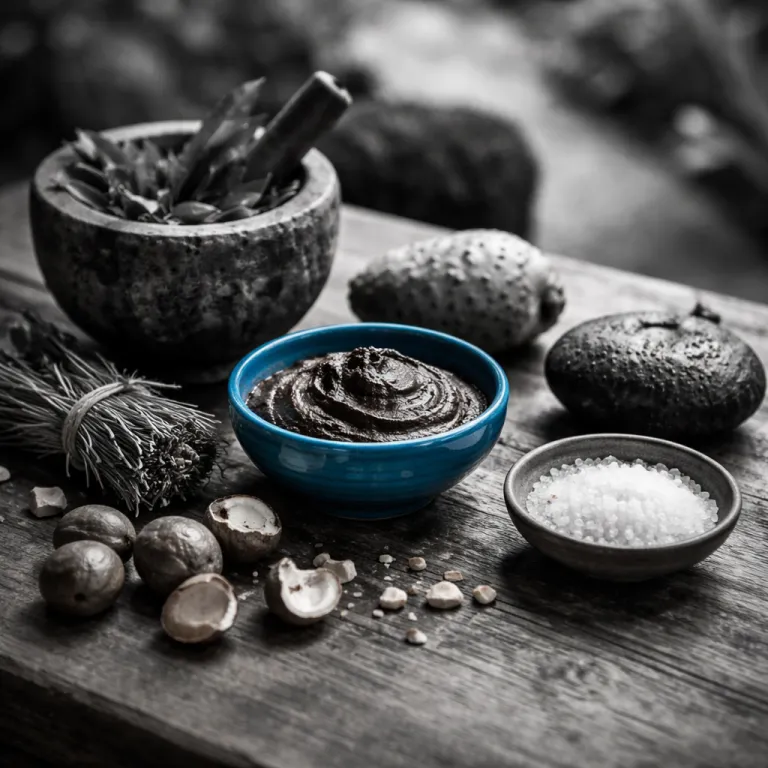
The Big Island is the youngest and most geologically active island in Hawaiʻi, and its volcanic character shapes both landscape and wellness culture. Historical accounts and modern spa literature confirm that volcanic mud has long been valued for its therapeutic properties, and you will see that legacy in volcanic mud wraps, lava rock heat therapies, and mineral-rich baths at many Hawaiian spa venues. These treatments draw on the same elemental forces that created Mauna Kea and the black lava fields surrounding Hualalai resort zones.
In luxury resort spas, volcanic mud treatments often combine a warm body mask with a lomilomi-inspired massage and a final soak or shower under open sky. At oceanfront properties along the Kohala Coast, signature experiences may pair flowing lomi strokes with a volcanic mud wrap that aims to detoxify while deeply hydrating the skin; spa brochures typically describe how the minerals support circulation and joint comfort. When you book this kind of spa experience on Hawaiʻi Island, you are engaging with the island’s geology in a more intimate way than a scenic drive, and your therapist will usually explain how heat and minerals support circulation and muscle recovery.
Outside the resort bubble, some healing practitioners use warmed lava rocks in more traditional Hawaiian sessions, placing them along the spine or at key joints. These treatments may feel less polished than a Hualalai Spa ritual, but they often carry more explicit spiritual framing and a stronger sense of connection to place. If you are planning a manta ray night dive on the Kona Coast, pairing that elemental ocean encounter with a volcanic mud or lava rock treatment the next day creates a powerful two-day arc of Big Island healing experiences rooted in both sea and stone.
Choosing between resort spa, day spa, and independent retreat on Hawaiʻi Island
For many travelers, the first decision is whether to stay within a resort spa such as Hualalai Spa or to seek out a stand-alone day spa or retreat center elsewhere on the Big Island. Resort settings excel at seamless logistics, multilingual teams, and treatment rooms designed for privacy, hydrotherapy, and couples rituals. You will usually find extensive spa menus, from classic Western massage to Hawaiian-inspired bodywork, all bookable through your room or villa concierge, with confirmation emails detailing arrival times, cancellation policies, and suggested enhancements.
Day spa venues in Kailua-Kona, Waimea, and Hilo often operate at a smaller scale, with a handful of treatment rooms and a tighter focus on massage and body treatments. These spaces can offer excellent value and more flexible scheduling, and some host visiting lomilomi practitioners or lāʻau lapaʻau workshops on specific days. When you read “Hawaiian healing traditions” in their descriptions, look for clear information about practitioner training, use of local botanicals, and any collaboration with recognized healing-center figures; many independent spas list practitioner bios, Hawaiʻi massage license numbers, and lineage acknowledgments on their intake forms.
Independent wellness retreat programs, sometimes hosted at a hale ola-style compound or a rural retreat center near Mauna Kea, cater to travelers who want immersion rather than a single treatment. A typical day might include sunrise meditation, lomi massage, plant-based meals, and an evening talk on traditional Hawaiian cosmology and island spirit. If your trip already includes elemental experiences such as a manta ray night dive on the Kona Coast, weaving in a two- or three-day wellness retreat can balance high-adrenaline ocean time with grounded, culturally rooted Hawaiian healing.
How to book respectfully: cultural integrity in spa experiences
Respecting Hawaiian healing traditions while enjoying luxury spa experiences on Hawaiʻi Island starts with how you choose and book. Local guidance from cultural educators and licensed therapists often emphasizes three simple principles: respect local customs, seek appropriately trained practitioners, and understand cultural significance. When you see a spa experience marketed as traditional Hawaiian, ask whether the lomilomi practitioner or Kahuna Lāʻau Lapaʻau involved is properly trained and, where applicable, holds a current Hawaiʻi massage license, and whether the resort or day spa supports ongoing cultural education for its staff.
On the Big Island, many of the most thoughtful properties integrate cultural advisors into their spa-planning process, ensuring that Hawaiian healing is presented as a living practice rather than entertainment. When a resort describes its wellness retreat or center-day program, look for signs of reciprocity, such as support for local communities, sourcing of botanicals from nearby farms that follow ethical gathering guidelines, and opportunities for guests to learn about land stewardship. These details signal that the spa, the island, and the people who carry the traditions all benefit from your visit; some spas even share short profiles of their cultural partners in welcome packets, or reference guidance from named kūpuna and Hawaiian studies programs.
As a solo traveler, you will often have more flexibility to align your schedule with the rhythms of a particular healing center or retreat, rather than forcing a quick appointment between excursions. Consider dedicating one full day to a sequence of spa treatments, from lomi massage to volcanic mud wrap, allowing time for rest, journaling, and quiet walks by the ocean. Approached this way, your search for Hawaiian healing on the Big Island stops being a phrase in a browser and becomes a meaningful thread running through your entire stay on Hawaiʻi Island.
FAQ: Hawaiian healing traditions and spa experiences on the Big Island
What is lomilomi and how is it different from regular massage?
Lomilomi is a traditional Hawaiian massage that uses flowing forearm and elbow strokes to work the whole body as one integrated system. Unlike many Western massage styles that focus on isolated muscles, lomilomi emphasizes breath, intention, and emotional release alongside physical healing. Sessions on Hawaiʻi Island may begin with a short prayer and often incorporate local oils, gentle stretching, and a sense of connection to the island spirit; some practitioners will invite you to breathe in rhythm with their strokes to deepen relaxation.
Where can I experience lāʻau lapaʻau on Hawaiʻi Island?
Lāʻau lapaʻau, or Hawaiian plant medicine, is usually offered through independent healers, cultural organizations, or specialized wellness retreat programs rather than standard resort spa menus. Some retreat venues and healing-center spaces host workshops or consultations with a Kahuna Lāʻau Lapaʻau, focusing on teas, poultices, and lifestyle guidance rather than quick spa treatments. When booking, ask specifically whether a recognized practitioner is involved, how plant gathering and preparation respect local ecosystems, and whether the program follows guidelines shared by Hawaiian cultural practitioners and community-based health organizations.
Are volcanic mud and lava rock treatments authentic parts of Hawaiian healing?
Volcanic mud and warmed lava rocks have long been used across the islands for their heat retention and mineral properties, and they align naturally with the Big Island’s volcanic landscape. In modern spas, volcanic mud wraps and stone massages blend these elements with contemporary wellness techniques, creating treatments that are partly traditional and partly global spa practice. Authenticity depends on how thoughtfully the spa explains the origins, uses local materials, and connects the treatment to broader Hawaiian healing values, rather than treating lava and mud as mere exotic props.
How do I choose between a resort spa and an independent day spa?
Resort spas such as Hualalai Spa offer polished facilities, extensive spa menus, and easy booking through your room, making them ideal if you value convenience and amenities. Independent day-spa venues and small healing studios may provide more personalized care, deeper cultural framing, and the chance to work with specific lomilomi practitioners. For many travelers, a combination works well: book one signature resort spa experience and one session with an independent practitioner to feel both sides of the island’s wellness culture, then decide which approach you prefer for future visits.
Is it appropriate to bring children or groups to Hawaiian healing sessions?
Some resort spas on Hawaiʻi Island offer family-friendly spa treatments or teen-focused wellness options, but many traditional Hawaiian healing sessions are designed for quiet, individual work. If you are traveling with children or a group, ask the spa or healing center in advance about age policies, group capacities, and whether shared treatment rooms are available. For culturally rooted lomilomi or lāʻau lapaʻau experiences, it is often best to schedule solo sessions so both you and the practitioner can focus fully on the healing process, with time afterward to integrate what you learned.