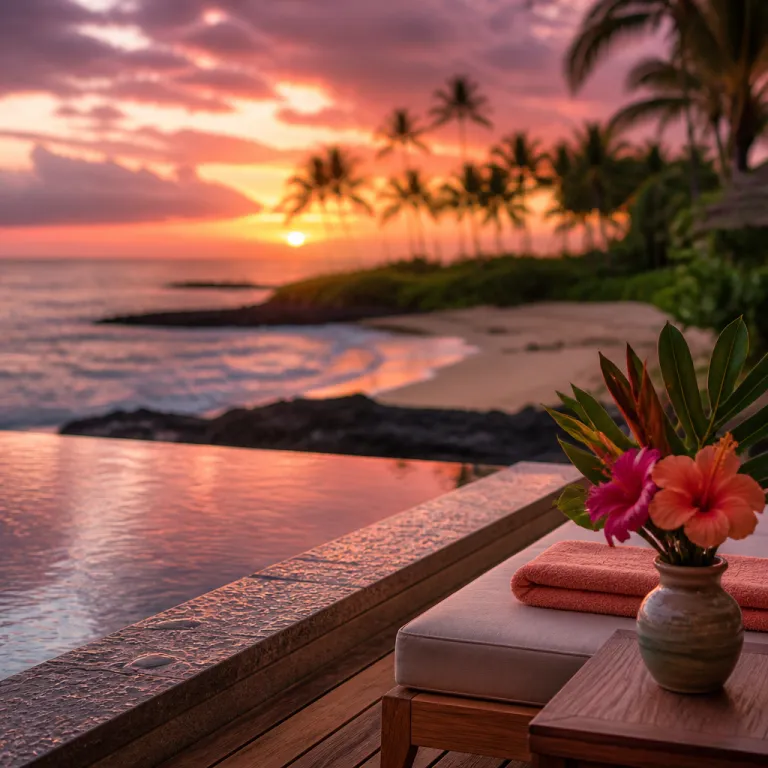
Hawaii Big Island beach settings for luxury‑minded travelers
Every Hawaii Big Island beach offers a distinct mood for luxury guests. Along this volcanic island coastline, you move from wide white sand crescents to rugged black sand coves framed by lava cliffs and deep blue water. The result is a collection of island beaches that feel curated for travelers who value privacy, attentive service, and a strong sense of place, whether you are arriving for a honeymoon, a multigenerational trip, or a solo retreat.
On the Kohala Coast, Hapuna Beach and Mauna Kea Beach stand out among the best beaches for upscale stays. Hapuna Beach offers a long, gently sloping white sand shoreline with typically calm summer conditions and direct access to premium resorts, plus lifeguards, restrooms, and shaded picnic areas. Just north, Mauna Kea Beach, often called Kea Beach by locals, curves around a sheltered bay with excellent snorkeling along the rocky edges and a refined, low‑rise resort setting that feels intimate even when the hotel is full. Both beaches sit on the dry, sunny side of the Big Island, which means more reliable sunshine and fewer rainy interruptions to your beach days compared with the windward coast, especially from late spring through early fall.
Further south, the island shifts character as black sand and green sand beaches appear, shaped by centuries of lava flows meeting the Pacific. Punaluʻu Black Sand Beach showcases shimmering black sand, coconut palms, and frequent honu (Hawaiian green sea turtle) sightings, especially in the cooler morning and late afternoon hours when the sand is less hot and crowds thin out. Papakōlea Green Sand Beach rewards those who hike in with rare olive‑toned sand and a wild, remote bay beach setting where there are no formal facilities, so visitors must bring water, sun protection, and reef‑safe footwear. Many luxury travelers pair these more adventurous beaches with a return to the comfort of high‑end suites on the Kohala or Kona coasts, balancing raw nature with refined amenities, concierge‑supported planning, and pre‑arranged private drivers for longer day trips.
Choosing the right beachfront area for a premium stay
Selecting the ideal Hawaii Big Island beach area starts with clarifying how you like to spend your days. Some guests want long white sand beaches with easy swimming and space for morning walks, while others prefer small coves near Kona that offer good snorkeling and quick access to dining and shopping. A luxury and premium hotel booking website can help you translate these preferences into specific bays, beach parks, and resort zones that match your style and pace, often with filters for beachfront suites, ocean‑view villas, or residences within a short stroll of the shoreline.
The Kohala Coast concentrates many of the island’s most polished resorts, especially around Hapuna Beach, Mauna Kea Beach, and the graceful curve of Anaehoʻomalu Bay Beach. Here you find white sand beaches, manicured paths, and beach park facilities that still feel discreet, with parking lots often reserved or limited to keep the shoreline calm and crowd levels manageable. For travelers seeking refined beachfront escapes with golf, spas, and residential‑style villas, properties around Mauna Lani — highlighted in guides to Fairways at Mauna Lani rentals for refined beachfront escapes — offer a strong balance of privacy and access, plus easy drives of roughly 10 to 20 minutes to several different sand beaches.
Closer to Kona, you trade some of the long sand beaches for intimate bay beach settings and lava‑framed shorelines that are perfect for sunset cocktails and evening walks along the water. This region suits travelers who want to split time between water activities, such as snorkeling and swimming, and evenings in town with restaurants, craft cocktail bars, and cultural events along Aliʻi Drive. When using a premium booking platform, look for clear descriptions of beach type, distance to the shoreline in meters, and whether the property sits directly on a sand beach or slightly inland with shuttle or valet‑assisted access, as well as notes on whether beach chairs, umbrellas, or cabanas are included or available at an additional fee.
Signature Hawaii Big Island beach experiences in the luxury segment
Luxury travelers often arrive with a clear image of the Hawaii Big Island beach they want to wake up to. For some, that means the expansive white sand of Hapuna Beach, where the gentle slope into the water makes swimming easy and the horizon feels endless, especially at sunrise when the beach is quiet and the light is soft. For others, the sheltered curve of Mauna Kea Beach, framed by lava rock and lush landscaping, delivers a more intimate bay beach experience with colorful fish visible just offshore when the morning light is soft and the water is typically clearest.
Hapuna Beach consistently ranks among the best beaches on the island in visitor surveys and state park materials, thanks to its combination of wide sand, clear water, and adjacent high‑end accommodations. Mauna Kea Beach, sometimes referred to as Kea Beach, offers a smaller but equally beautiful sand beach, anchored by a classic resort that has long attracted discerning guests who appreciate understated architecture and attentive service. Both beaches benefit from well‑managed parking, with a main parking lot that can fill by mid‑morning on busy days and a mix of paid public stalls and time‑limited resort spaces, so a hotel booking website that notes on‑site or reserved parking windows, approximate daily parking fees, and any shuttle options becomes especially valuable for planning.
Travelers who want a curated overview of island beaches often consult an elegant guide to the best beaches on the Big Island for luxury beachfront stays before finalizing reservations. This type of resource helps you compare white sand beaches, black sand coves, and green sand adventures in one place, then match them with nearby suites and villas. When a booking platform integrates such editorial insight with live availability, approximate driving times, and clear beach distance data, it becomes far easier to align your chosen room category with the exact shoreline you have in mind and to avoid surprises such as seasonal shorebreak or temporary state park closures.
From white sand to black sand and green sand: matching beaches to hotel choices
One of the defining traits of any Hawaii Big Island beach itinerary is the sheer variety of sand colors. On a single trip, you can walk white sand at Hapuna Beach, feel black sand between your toes at Punaluʻu, and stand on rare green sand at Papakōlea, all while returning each evening to a calm, luxurious base. This contrast between raw geology and polished hospitality is what sets the Big Island apart from many other island beaches worldwide and keeps repeat visitors exploring new stretches of coast, even after several visits.
White sand beaches such as Hapuna Beach, Mauna Kea Beach, and the shoreline near Anaehoʻomalu Bay Beach are ideal for guests who prioritize easy swimming and classic postcard views. Black sand beaches, formed when lava meets the ocean and shatters into fine grains, create a dramatic backdrop that feels both beautiful and elemental, though the sand can heat up quickly under strong sun and may require reef‑safe footwear or sandals. Green sand at Papakōlea, composed largely of the mineral olivine according to geological surveys from the U.S. Geological Survey (USGS), requires a hike or authorized transport of roughly 4.5 to 5 kilometers each way, so many luxury travelers rely on a booking website that clearly explains access, safety, and timing for this excursion.
For those considering the hike to the green sand bay, detailed trip reports such as this guide to whether the Papakōlea green sand beach hike is worth the effort can help you plan around tides, heat, and transport. A premium booking platform that integrates such practical advice alongside room descriptions, spa menus, and dining options builds trust and encourages longer stays. It also allows you to design days that move from adventurous sand beaches back to chilled champagne on a shaded lanai, without logistical surprises or missed safety notices, and with clear reminders to pack water, hats, and reef‑safe sunscreen for exposed coastal trails.
Beach parks, state parks, and practical details for high end stays
Even when you book a five‑star suite, the quality of your Hawaii Big Island beach days depends on practical details. Many of the island’s best beaches sit within a beach park or state park, each with its own rules on parking, facilities, and opening hours. A good luxury booking website will translate these details into clear guidance, so you know exactly how far you must walk from the parking lot to the sand and whether shade, showers, restrooms, or lifeguards are available during your visit, as well as any accessibility considerations for guests with limited mobility.
Kekaha Kai State Park, sometimes called Kai State Park, is a prime example, with multiple sand beaches including Kua Bay and other small coves separated by lava fields. Kua Bay, officially part of Kekaha Kai, offers bright white sand, turquoise water, and excellent swimming on calm days, making it a favorite among both residents and visitors. Because parking can be limited and the access road crosses rough lava terrain, travelers appreciate hotel booking platforms that flag these conditions, note typical mid‑morning crowding, and suggest optimal visit times such as early morning or late afternoon, when the light is beautiful and temperatures are more comfortable for walking over dark rock.
On the Kohala Coast, Hapuna Beach State Recreation Area combines a wide sand beach with structured facilities, while Mauna Kea Beach relies more on resort‑managed access and controlled parking with a set number of public stalls released each morning. Farther afield, Punaluʻu Black Sand Beach and Papakōlea Green Sand Beach involve longer drives across the Big Island, so understanding distance in kilometers and likely travel times becomes essential. When a booking website integrates maps, estimated driving durations, and notes on island beaches that suit families versus couples, it moves beyond simple room inventory and becomes a true planning partner for high‑end stays, helping you decide when to schedule spa appointments, tee times, or private dinners around your beach excursions.
How premium booking platforms curate beachfront getaways
Luxury and premium hotel booking websites focused on Hawaii understand that a Hawaii Big Island beach stay is about more than a room category. These platforms curate properties based on proximity to specific beaches, quality of beach access, and the range of experiences available from sunrise swims to sunset dining. They also highlight whether a property fronts a calm bay beach, a dramatic lava shoreline, or a long white sand stretch that invites morning walks and evening stargazing, sometimes with sample itineraries that show how to combine different coasts in a single trip.
For example, a well‑designed booking site will group resorts near Hapuna Beach, Mauna Kea Beach, and Anaehoʻomalu Bay Beach, then clearly label which ones sit directly on the sand and which require a short transfer. It will also distinguish between properties ideal for snorkeling and swimming enthusiasts and those better suited to guests who prefer poolside relaxation with occasional beach visits. By integrating real‑time information about island beaches, such as seasonal swell patterns or temporary state park restrictions published by local authorities and summarized from NOAA ocean condition outlooks, the platform helps you avoid disappointment on arrival.
Responsible tourism plays a growing role in how these websites present Hawaii Big Island beach options. With around 80 beaches on the Big Island and approximately 1.5 million annual visitors to those beaches, according to compiled Hawaiʻi Tourism Authority (HTA) visitor statistics and county shoreline inventories, careful management of parking, access, and wildlife protection is essential for long‑term sustainability. Many premium booking platforms now echo local guidance such as “Check weather conditions before visiting”, “Respect local wildlife and habitats”, and “Follow safety guidelines and warnings” directly within their beach descriptions, aligning guest expectations with on‑the‑ground realities and NOAA‑style ocean safety advice that emphasizes rip current awareness and reef protection.
Key figures for Hawaii Big Island beach tourism
- The Big Island features around 80 distinct beaches, according to aggregated Hawaiʻi Tourism Authority reporting and county shoreline inventories, which means travelers can choose from a wide spectrum of white sand, black sand, and green sand shorelines without repeating the same setting every day.
- Approximately 1.5 million visitors head to Big Island beaches each year, based on Hawaiʻi Tourism Authority data summaries for island arrivals and activity participation, underscoring the importance of early hotel booking and thoughtful parking planning during peak seasons and holiday weeks.
- Beaches on the Big Island are accessible year‑round, with warmer water and calmer swimming conditions typically occurring during the summer months compared with the winter swell season described in NOAA ocean outlooks and marine forecasts.
- Some state parks and beach parks charge modest entrance or parking fees, which helps fund maintenance, lifeguard services, and infrastructure that directly benefit luxury and premium travelers seeking well‑kept facilities and reliable safety support, especially at popular white sand beaches.
Frequently asked questions about Hawaii Big Island beach stays
What is the best time to visit Big Island beaches for a luxury stay ?
Big Island beaches are accessible throughout the year, but summer generally offers warmer water and more predictable swimming conditions. Luxury travelers who value quieter sand beaches may prefer shoulder seasons, when occupancy and parking pressure ease slightly and trade winds feel gentler. When planning, consider both ocean conditions and your preferred balance between lively resort atmospheres and tranquil shorelines, and check recent NOAA marine forecasts for any short‑term changes.
Are there entrance fees for Hawaii Big Island beach parks and state parks ?
Some beach parks and state parks on the Big Island charge entrance or parking fees, while others remain free but may have limited facilities. These fees support maintenance, lifeguard services, and infrastructure that keep sand beaches clean and safe for visitors. A premium hotel booking website often lists current fee information, with references to state park notices, alongside each featured Hawaii Big Island beach to help you budget accurately and avoid surprises at the gate.
Is snorkeling widely available at Hawaii Big Island beaches ?
Snorkeling is available at many Big Island beaches, with Mauna Kea Beach particularly noted for its accessible reef and calm bay waters. Other good snorkeling spots include certain coves within Kekaha Kai State Park and sheltered areas near Anaehoʻomalu Bay Beach. Always check local conditions and follow safety guidance, as visibility and currents can change with weather and swell, and NOAA marine forecasts can shift quickly, especially during winter months when surf is more powerful.
How can I choose between white sand, black sand, and green sand beaches ?
White sand beaches such as Hapuna Beach and Kua Bay are ideal for classic swimming and sunbathing days, while black sand beaches like Punaluʻu offer dramatic scenery and unique photography opportunities. Green sand at Papakōlea provides a rare geological experience but requires more effort to reach, so many travelers visit on a dedicated excursion day. A luxury booking platform that clearly explains access, walking distances, and nearby services will help you match each sand type to your comfort level and mobility, and decide whether to book a guided outing or explore independently.
Do I need a car to enjoy multiple Hawaii Big Island beach areas ?
Because the Big Island is geographically large and its beaches are spread across different coasts, renting a car is highly recommended for travelers who want to sample several shorelines. Many luxury resorts include on‑site parking or valet services, making it easier to explore distant beach parks and state parks during the day. Without a car, you will likely focus on the beaches directly in front of or adjacent to your chosen hotel, which can still provide an excellent, if more localized, experience with concierge‑organized outings, private transfers, or small‑group tours to signature sand beaches.