Why this place of refuge should anchor your Kona stay
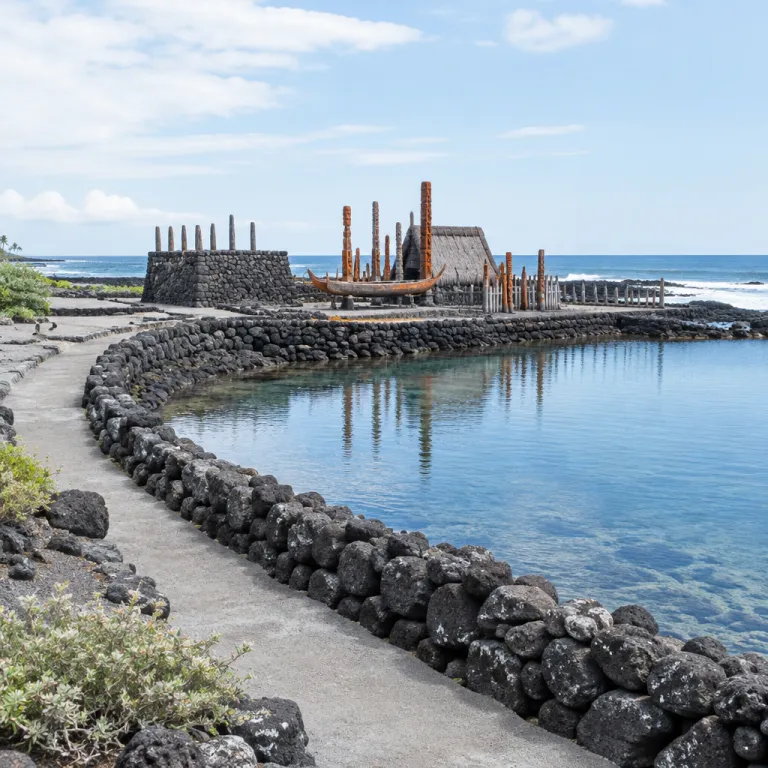
On the south Kona coast, the puuhonua o honaunau place of refuge big island turns a simple resort holiday into a deeper journey. This former city of refuge in Hawaiʻi was once where lawbreakers who violated kapu and defeated warriors could reach safety, crossing from fear into forgiveness under a strict spiritual code. For a luxury traveler choosing between oceanfront suites and lava rock villas, understanding this sacred site gives the entire island a different texture.
Today the area is protected as Puʻuhonua o Hōnaunau National Historical Park, one of the most important national parks in the United States for Hawaiian culture. The national historical designation means the park service manages both the royal grounds and the puʻuhonua, preserving a rare coastal landscape where history, spirituality and daily life still intersect. When you walk from the park entrance across the lava flats, you are not entering a museum but a living national historic treasure that asks for quiet attention.
The heart of this place refuge is the idea of absolution rather than punishment, which reshapes how you read the wider big island. In pre contact Hawaiʻi, anyone who broke kapu could reach this refuge site, touch its stones and receive protection from the gods, then return home cleansed. Holding that story in mind changes how you experience everything from a south Kona coffee tasting to a sunset mai tai at your hotel bar.
Walking the royal grounds: what survives on the lava shore
The first thing you notice inside the park is the great wall, a massive dry stacked barrier of lava rock that once separated the royal grounds from the puʻuhonua. This great wall, more than 3 metres high in places, still feels imposing as you trace its length and imagine guards watching the shoreline for canoes racing toward refuge. On the seaward side, the royal grounds unfold as a low, palm dotted landscape where aliʻi once lived, fished and held ceremony.
Near the water stands Hale o Keawe, often shortened to hale keawe, a reconstructed heiau or temple platform that once housed the bones of high ranking chiefs. The carved wooden kiʻi around this heiau stare seaward, their forms both stylised and unsettling, reminding you that this historic site is still a sacred site for many Hawaiian families. Behind the temple area, you will see royal fishponds and a coconut grove, subtle signs that this was a working royal complex, not just a ceremonial stage.
Luxury travelers often pair a morning at Hōnaunau National Historical Park with an afternoon exploring the creative side of Kona above the coast. The Holualoa art village, with its coffee, ceramics and creativity above the Kona Coast, offers a refined counterpoint to the shoreline royal grounds and makes a satisfying day that balances culture, craft and comfort. Returning to your hotel after walking this national park, the infinity pool and chilled towels feel different because you have touched the island’s historic core.
How to read a living sacred site with respect
Puʻuhonua o Hōnaunau is not a ruin frozen in time, but a living sacred site where protocol matters as much as photography. The park service asks visitors to move quietly, avoid climbing on rock walls and treat the heiau platforms, including Hale o Keawe, as active religious spaces rather than scenic backdrops. You are walking through a national historic landscape where ceremonies still occur, so the tone should match the reverence you would bring to any spiritual place.
Think of the puuhonua o honaunau place of refuge big island as an outdoor classroom for understanding how an ahupuaʻa once worked from mountain to sea. Reading about the ahupuaʻa system and how ancient Hawaiian land division shaped the Big Island before you arrive helps you see the royal grounds, the shoreline and the wider south Kona coast as one integrated area. When you notice how freshwater seeps, canoe landings and agricultural terraces align, the national historical designation stops feeling abstract and becomes a map of lived experience.
Solo travelers in particular will appreciate the quiet corners of this park, where you can sit near the water and watch waves break against the lava ledges. In those moments, the concept of uhonua, or refuge, shifts from a historical footnote to something you can feel in your own nervous system. Respect here is simple ; stay on marked paths, keep voices low and remember that for many Hawaiian families this is still a place of prayer.
Planning your visit from a luxury base on the Kona coast
Most high end properties on the west side of the island sit north of Kailua Kona, so reaching the puuhonua o honaunau place of refuge big island means a scenic drive down the south Kona shoreline. From the Kohala Coast resorts, allow generous time to reach the park entrance, since the last stretch passes through slower local roads and small communities. Many travelers choose to hire a private driver or car service, turning the journey into a rolling introduction to coffee farms, lava fields and ocean views.
Puʻuhonua o Hōnaunau is managed as a national park, and entry is covered by the standard national parks pass or an annual pass that also works at other national park sites across the United States. If you already hold an annual pass, bring it ; otherwise, the park entrance fee is modest compared with what you are likely paying for a single cocktail at your resort. Check the official National Park Service information for current details on hours, fees and any facility updates before you set out, as conditions can change with weather and coastal erosion.
For a full day that layers culture and landscape, some travelers pair this south Kona visit with a later drive toward Hawaiʻi Volcanoes National Park. Our guide to planning a Big Island volcano trip between Kīlauea eruptions explains how to time that second stop so it complements, rather than rushes, your morning at this historic refuge. However you structure the day, build in time to linger at the site, because the sense of uhonua royal protection does not arrive on a tight schedule.
Pairing Hōnaunau with Kealakekua Bay and Kona’s cultural arc
One of the most rewarding ways to experience this national historical area is to pair it with nearby Kealakekua Bay for a half day that blends history and water. After walking the royal grounds and the great wall at Hōnaunau National Historical Park, you can head north to the bay for snorkeling or a guided paddle that traces another pivotal historic site. The contrast between the quiet lava shore at the place refuge and the vibrant reef at Kealakekua makes the whole south Kona coastline feel like a single, unfolding story.
From a luxury travel perspective, this combination works beautifully with a late lunch at a hillside café or a private tasting at a small coffee estate above the bay. Many high end operators now offer curated excursions that include transport from your hotel, a cultural briefing on Hawaiian history, guided time at the refuge site and water time at Kealakekua, all wrapped into one seamless pass style experience. When evaluating these options on a booking website, look for guides who emphasise the sacred site aspect of the puuhonua o honaunau place of refuge big island, not just the snorkeling.
As you return to your hotel, the story of this national historic refuge lingers longer than any poolside playlist. You will have walked a city of refuge where the concept of uhonua honaunau still shapes how local families talk about forgiveness and responsibility on the big island today. That depth is what turns a stay in Hawaiʻi from a pleasant beach holiday into a royal grade journey through culture, landscape and memory.
FAQ
What exactly was a puʻuhonua or place of refuge ?
A puʻuhonua was a designated place of refuge in traditional Hawaiʻi where people who broke kapu, or sacred laws, and defeated warriors could seek safety and absolution. If they reached the refuge area before capture, they were protected by the gods and could be forgiven through ceremony. Puʻuhonua o Hōnaunau on the south Kona coast is one of the best preserved examples of this system on the big island.
How long should I plan to spend at Puʻuhonua o Hōnaunau National Historical Park ?
Most visitors should allow at least two hours to walk the royal grounds, view the great wall and explore the shoreline trails at this national historical site. If you are deeply interested in Hawaiian history or photography, three hours gives you time to sit, observe and appreciate the sacred site without rushing. Pairing the park with Kealakekua Bay or a nearby coffee farm makes a satisfying half day from a Kona or Kohala Coast hotel.
Is the park suitable for solo travelers staying at luxury resorts ?
Yes, the park is particularly rewarding for solo travelers who value quiet, reflective experiences alongside high comfort accommodations. The drive from most luxury properties is straightforward, and the park service provides clear trails and interpretive signs that make the historic area easy to navigate alone. Many guests arrange a private driver or small group tour so they can focus fully on the site rather than on logistics.
Do I need a special pass to enter Puʻuhonua o Hōnaunau ?
Entry to Puʻuhonua o Hōnaunau National Historical Park is covered by the standard national parks pass or an annual pass valid at multiple national park sites across the United States. If you do not already hold an annual pass, you can pay the park entrance fee on arrival or via the official National Park Service channels. Always confirm current fees and accepted payment methods before your visit, as policies can evolve.
Can I swim or snorkel at the refuge site itself ?
Swimming is not allowed within the main puʻuhonua area, as this is a sacred site and historic landscape managed for cultural preservation rather than recreation. Some shoreline zones near the park are used by local residents for ocean access, but visitors should follow all posted signs and respect closures. For snorkeling, Kealakekua Bay and other designated marine areas nearby offer better conditions and are more appropriate choices.