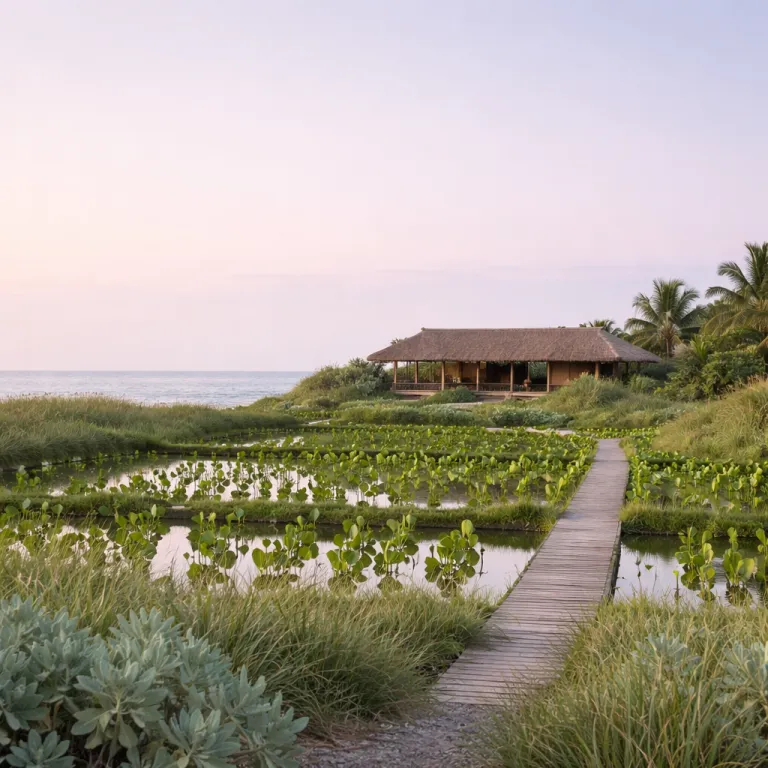
Regenerative tourism on Hawaiʻi Island as the new luxury benchmark
Regenerative tourism on Hawaiʻi Island is no longer a niche talking point for eco idealists. It is the framework the Hawaiʻi Tourism Authority (HTA) and the wider visitor industry now use to judge whether every new resort, villa, or high end experience genuinely serves the island and its communities. For business leisure travelers, that shift quietly redefines what counts as a premium stay in Hawaiʻi.
Traditional tourism in Hawaiʻi was built on volume, with visitors encouraged to treat the island as a backdrop rather than a living place. Regenerative travel on Hawaiʻi Island reverses that logic by asking every visitor and every resort to leave the island’s ecosystems, culture, and community stronger than before their arrival. Sustainable tourism tries to reduce harm, while regenerative tourism and its related stewardship program models are explicitly about repair, restoration, and long term community care.
Ecotourism tends to focus on nature excursions, and sustainable tourism often centers on resource efficiency in the resort or hotel. Regenerative tourism in Hawaiʻi goes further by tying visitor experiences to Hawaiian culture, local communities, and measurable management action that supports native ecosystems and Native Hawaiian well being. When you book a suite on the Kohala Coast or near Mauna Kea, the real question is no longer only about ocean views, but whether your stay participates in a credible regenerative initiative that benefits the island Hawaiʻi community.
The Hawaiʻi Tourism Authority has embedded this thinking into its strategic plan and Destination Management Action Plans (DMAPs) for each island, including the Hawaiʻi Island DMAP adopted in 2021. On Hawaiʻi Island, that means aligning the visitor industry with community stewardship priorities, from reef protection to cultural education for visitors and residents. The tourism authority now evaluates tourism Hawaiʻi projects not just on revenue, but on how they advance regenerative experiences and long term destination management.
For a luxury traveler, this shift is not a constraint but an upgrade in meaning and depth. A resort that invests in a serious stewardship program, hires Native Hawaiian cultural practitioners, and funds local food systems is now aligned with the highest tier of hospitality. As one community leader involved in DMAP consultations summarized in 2021, “Visitors should leave our island better than they found it—socially, culturally, and environmentally.” Regenerative tourism on Hawaiʻi Island, when done well, turns your stay into a partnership with the island rather than a simple transaction with a resort.
From sustainability slogans to measurable action in luxury resorts
On the Big Island, the gap between marketing language and measurable regenerative tourism is where discerning travelers need to pay attention. Many properties now reference regenerative tourism Hawaiʻi Big Island on their websites, but only a subset can show clear destination management metrics, community partnerships, and transparent reporting. Your role as a visitor is to distinguish between a polished article on sustainability and a resort that has embedded regenerative practices into its daily operations.
Look first at how a resort treats land and water, because that is where regenerative tourism becomes tangible. Properties that align with the Hawaiʻi Tourism Authority’s Destination Management Action Plan often support coastal restoration, native plant reforestation, or reef friendly shoreline design, and they publish these management action commitments in annual reports or sustainability updates. For instance, several Kohala Coast luxury properties publicly describe ongoing volunteer programs for coastal cleanups and native plantings through formal stewardship collaborations with local nonprofits. Ask whether the resort participates in a structured partnership with community organizations, or whether it simply runs a light green towel reuse initiative for visitors.
Food is another sharp indicator of whether a luxury resort is serious about regenerative tourism on Hawaiʻi Island. The most forward thinking properties source from local farms in island Hawaiʻi, support Native Hawaiian fishpond restoration, and design menus that foreground Hawaiian culture rather than generic resort cuisine. When a chef can tell you which community farm grew your kalo or which Native Hawaiians manage the ahupuaʻa where your coffee was harvested, you are seeing regenerative travel in practice rather than a marketing slogan.
Several high end properties now integrate structured regenerative experiences into their guest programming. These can range from guided cultural protocol sessions with Hawaiian practitioners to half day community stewardship projects in coastal wetlands or dryland forests, often coordinated with county level research and development departments or local conservation groups. At some resorts, guests have helped restore coastal habitat and trail systems through recurring workdays documented in property sustainability reports or third party case studies. For executives extending a work trip, these curated programs offer a way to balance meetings with meaningful engagement that respects both culture and environment.
If you want a deeper dive into which luxury eco focused resorts are taking this seriously, look for independent assessments, certification programs, or media coverage rather than relying only on generic booking engines. External reviews that evaluate properties on regenerative tourism criteria—from energy systems to community partnerships—help ensure that the phrase regenerative tourism Hawaiʻi Big Island signals real impact, not just a line in a brochure.
Community based experiences that redefine premium itineraries
The most compelling expression of regenerative tourism on Hawaiʻi Island happens away from the resort pool. Community based experiences invite visitors into living Hawaiian culture and local stewardship, turning leisure time into a form of shared investment with Native Hawaiians and long term residents. For business travelers used to conventional incentive trips, this is a different, more grounded kind of luxury.
Ocean focused operators such as Anelakai Adventures illustrate how regenerative tourism Hawaiʻi Big Island can reshape classic activities. Their canoe tours emphasize ocean conservation, cultural protocol, and community stewardship, offering visitors a quieter, more intentional alternative to mass market boat excursions. When a guide explains how Native Hawaiian navigation traditions intersect with modern marine science, the line between recreation and education disappears in the best possible way.
On land, destination management efforts have created a growing network of regenerative experiences tied to specific communities. You might join a stewardship program day in a dryland forest above Kona, where local volunteers and visitors plant native species and remove invasives under the guidance of cultural practitioners. These programs, often supported by the Hawaiʻi Tourism Authority and the Hawaiʻi County Department of Research and Development, channel tourism Hawaiʻi revenue into long term ecological and cultural resilience.
Mauna Kea remains a focal point for the tension between astronomy, Native Hawaiian rights, and visitor access. Any serious approach to regenerative tourism on Hawaiʻi Island must acknowledge that Native Hawaiians view Mauna Kea as a sacred summit, and that visitor industry narratives have often sidelined this perspective. Choosing operators and guides who center Hawaiian culture and community voices is a concrete way to align your visit with regenerative tourism rather than extractive sightseeing.
Even in Hilo, where business travelers often base themselves for meetings, you can align your stay with these values. Selecting a property that prioritizes local food systems, employs residents from nearby communities, and participates in visitor education programs allows you to support hotels that reflect community based tourism principles. In each case, regenerative tourism Hawaiʻi Big Island becomes less about a label and more about the sum of your daily choices as a visitor.
How policy, planning, and your booking choices intersect
Behind the scenes, regenerative tourism on Hawaiʻi Island is being shaped by policy as much as by individual resorts. The Hawaiʻi Tourism Authority, working with the Hawaiʻi Convention Bureau and the island’s visitors convention partners, has embedded regenerative tourism into its strategic plan and Destination Management Action Plans. These documents push the visitor industry toward models where community stewardship and cultural preservation are as central as occupancy rates.
New state level visitor fees and adjustments to the Transient Accommodations Tax are being positioned as tools to fund preservation and regenerative program work. When you see a line item on your invoice that supports a stewardship program or destination management initiative, you are looking at the financial plumbing of regenerative tourism Hawaiʻi Big Island. The key question is whether those funds reach local communities and Native Hawaiians in ways that match the rhetoric.
For now, the reality is mixed, and luxury travelers should approach with clear eyes. Some resorts on Hawaiʻi Island have deeply integrated community partnerships, transparent reporting, and active roles in management action projects, while others rely on generic sustainability language that barely touches Hawaiian culture or local communities. Your booking choices send a signal to the tourism authority, the Hawaiʻi Visitors and Convention Bureau, and the broader visitor industry about which models deserve to thrive.
When evaluating options, ask specific questions rather than accepting broad claims. Which community organizations does the resort partner with, and how are Native Hawaiians involved in program design and leadership? How many hours of paid staff time are allocated to community stewardship each month, and what percentage of food is sourced from within the island Hawaiʻi supply chain?
Regenerative tourism advocates often summarize the core idea this way: “Travel that gives back to people, place, and culture.” That definition is elegant, but it only becomes real when visitors, resorts, and agencies such as the Hawaiʻi Tourism Authority align their actions with it. As a traveler, your power lies in choosing properties and experiences that treat regenerative tourism on Hawaiʻi Island as a daily practice, not a tagline.
Key figures shaping regenerative tourism on Hawaiʻi Island
- A University of Hawaiʻi resident sentiment survey published in 2021 reported that more than nine in ten Kauaʻi residents support tourism models that prioritize community well being and cultural respect, a strong signal that communities across the state, including Hawaiʻi Island, expect travel to emphasize stewardship and local benefit.
- The Hawaiʻi Tourism Authority launched its current strategic plan in the early 2020s, then followed with a Destination Management Action Plan for each island, embedding regenerative tourism and management action priorities into formal policy rather than leaving them as voluntary guidelines.
- Regenerative tourism initiatives on Hawaiʻi Island are structured around three core objectives: enhancing community well being, preserving natural resources, and honoring Hawaiian culture, which together define how the visitor industry is expected to measure success beyond simple arrival numbers.
- Tools such as Destination Management Action Plans, Technical Assistance and Capacity Building programs, and a dedicated Regenerative Experiences Program give local businesses and community organizations practical support to design tourism offerings that benefit both visitors and Native Hawaiians.
- Survey and program data across the islands show increased community involvement in tourism, growth in eco friendly travel options, and a stronger emphasis on cultural education for visitors, indicating that regenerative tourism Hawaiʻi Big Island is part of a broader statewide shift in how tourism is managed.
Sources
- Hawaiʻi Tourism Authority – Destination Management Action Plans and strategic vision documents (Hawaiʻi Island DMAP, adopted 2021; statewide strategic plan, updated 2020).
- University of Hawaiʻi – resident sentiment surveys on tourism and regenerative travel (latest statewide and island specific reports accessed 2024).
- Hawaiʻi County Department of Research and Development – community based tourism and stewardship program information (program summaries and annual updates accessed 2024).