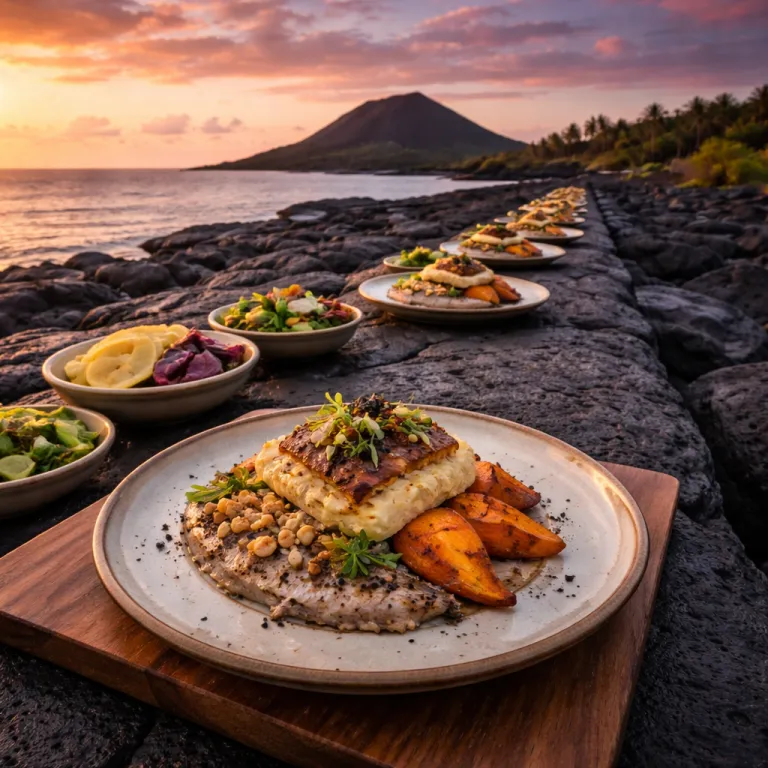
Volcanic terroir and the new language of island dining
On Hawaiʻi Island, farm-to-table dining is less trend and more geography. The island sits on young lava, and that volcanic soil concentrates minerals that push ingredients into sharper focus, which is why chefs talk about “terroir” here with the same seriousness as winemakers. When you plan luxury dining on this island, you are really choosing how close you want to sit to the farm, the table, and the lava that feeds them both.
Local farmers work narrow ahupuaʻa that run from misty Waimea pasture to Hilo Bay rain, and each band of elevation shapes different ingredients for the table. The same coffee tree grown above Kailua Kona tastes different from one on the wetter side of Hawaiʻi Island, and chefs build menus around those shifts rather than hiding them. This is what makes farm-driven restaurant experiences on the Big Island so compelling for couples who care about food, because every plate becomes a quiet guide to the island’s geology.
Ask any chef here what farm-to-table dining on the Big Island means in practice, and the answer starts with proximity. “What is farm-to-table dining? Serving meals made from locally sourced ingredients.” is the working definition, but on this island the distance between farm and table is often measured in minutes, not kilometres. As chef Peter Merriman has put it in interviews, the goal is to be “locally sourced, not just locally served,” and when you book a premium resort or a small Waimea inn, the most telling amenity is not the pool but the list of local farmers, fishermen, and ranchers printed on the menu.
From Kona coffee to macadamia nuts: ingredients shaped by lava
The clearest way to feel volcanic terroir is in a cup of Kona coffee at sunrise. On the slopes above Kailua Kona, trees root in porous lava that drains fast, forcing deep roots and concentrating sugars, and that is why a well roasted Kona coffee carries clean acidity with a long, almost chocolate finish. Hawaiʻi is widely noted as the only US state producing both coffee and cacao from locally grown crops at commercial scale, so a Big Island farm-to-table journey can start with a plantation breakfast and end with single origin dessert on the same island.
Couples who care about provenance should plan at least one visit to a working coffee farm, ideally pairing it with a tasting at a cacao orchard or macadamia nut grove. A dedicated Kona coffee farm visit, such as a guided tour at Greenwell Farms, Hula Daddy, or Mountain Thunder, turns an everyday drink into a story of soil, rainfall, and elevation. Greenwell Farms, for example, describes its classic Kona profile as “bright, with citrus and chocolate notes,” and when chefs talk about locally sourced ingredients here, they mean specific slopes, specific winds, and specific harvest days, not vague regional labels.
Beyond coffee, the island’s volcanic soil shapes taro, vanilla, papaya, and the macadamia nuts that appear crushed over fresh fish or folded into pastry. Grass fed beef from the uplands near Waimea carries a clean, mineral edge that stands up beautifully to slow braises and charcoal grilling, and it anchors many traditional Hawaiian plates alongside taro and greens. When you see macadamia nut crusted fish, kalua pork with taro purée, or a dessert scented with local vanilla on a menu, you are tasting lava filtered through roots, leaves, and careful hands.
Where to eat: from Waimea legends to Hilo Bay upstarts
For many travellers, the modern story of farm-to-table dining on Hawaiʻi Island begins in Waimea. Peter Merriman, often described as a pioneer of Hawaiʻi Regional Cuisine, opened his Waimea dining room long before “locally sourced” became a marketing line, and Merriman’s Waimea still reads like a syllabus for volcanic terroir on a plate. Here, grass fed beef from nearby ranches, line caught fish, and vegetables from local farmers arrive at the table in polished but relaxed courses that feel perfectly tuned to a romantic evening, with signature dishes such as wok-charred ahi or a kiawe grilled ribeye built around named ranches and fishing boats.
On the Hilo side, chef Brian Hirata at Naʻau Hilo has gained national attention for a tasting menu that treats traditional Hawaiian foodways with the precision of fine dining. Expect taro in multiple textures, wild gathered greens, and seafood that might have been in Hilo Bay that morning, all framed by modern technique rather than overshadowed by it. Hirata has described his approach as “telling the story of place through ingredients,” and the room is understated, the service quietly confident, and the result is one of the most compelling island dining experiences on Hawaiʻi Island for couples who want narrative as much as nourishment.
In between these flagships, you will find smaller dining rooms near Hilo Bay and along the Kona coast that lean into the same ethos with simpler menus. A café might serve macadamia nuts baked into banana bread beside the water, while a bay café in Hilo offers poke built on fish from the adjacent harbour and rice grown on the island. When a place lists its farms and fishermen without fanfare, and when the staff can speak fluently about those ingredients and suggest specific plates, such as a daily fish special or a taro and greens side, you are in the right dining room.
Resort tables, ranch dinners, and the romance of the farm
Luxury resorts on the Kohala and Kona coasts have quietly shifted from importing mainland produce to building their own gardens and partnering deeply with local farmers. At properties like Mauna Lani or the Fairmont Orchid, chefs walk through on site plots each morning, choosing herbs, lettuces, and edible flowers that will appear on your table that evening, and that immediacy changes the tone of every course. For couples booking premium rooms, this means you can enjoy Big Island farm-to-table cuisine without ever leaving the property, yet still feel connected to the wider island through menus that highlight Kona coffee, Waimea greens, and nearby seafood.
Beyond the resort gates, dedicated farm dinners offer a more immersive way to understand volcanic terroir. At places such as Starseed Ranch near the North Kohala coast, multi course meals unfold beside the rows where the ingredients were grown, often timed to sunset and paired with live music or quiet conversation with the farmers themselves. These evenings are not about spectacle but about slowing down, tasting how the same soil can produce both fiery chiles and delicate greens, and they suit couples who prefer intimacy over crowds and are willing to reserve well in advance for limited seatings.
If you are planning a longer stay, consider pairing these experiences with a high end villa or suite that gives you a kitchen worthy of the island’s produce. A curated overview of Big Island luxury vacation rentals and island elegance can help you choose a base where you can cook with farmers’ market finds one night and book a table big enough for a chef’s tasting menu the next. In this rhythm, the line between farm, table, and home blurs, and the island’s food culture becomes part of your daily routine rather than a single reservation.
How to choose: reading menus, planning routes, and booking well
Planning a trip around farm-to-table dining on Hawaiʻi Island works best when you treat the island as a set of linked microclimates rather than a single destination. Start with a simple visitor guide style map that marks Waimea, Hilo, Kailua Kona, and the Kohala Coast, then layer in farms, ranches, and restaurants that interest you. This approach lets you move from coffee country to ranch land to Hilo Bay in a logical loop, tasting how each zone shapes its own ingredients.
When you read menus, look for specific place names rather than generic “local” tags. A dish that calls out Waimea greens, Kona shrimp, or grass fed beef from a named ranch is signalling a real relationship with producers, and that is the backbone of serious farm-to-table cooking on Hawaiʻi Island. Ask staff which ingredients are truly fresh that day, and do not hesitate to plan your order around what just came in from local farmers or fishermen, especially when there is a daily catch, a market vegetable plate, or a chef’s tasting menu built around that morning’s harvest.
Reservations matter, especially for small dining rooms that work closely with farms and need to manage limited supply. As a practical rule, reserve well known spots one to four weeks in advance, and plan farm tours or market visits during the day, leaving evenings free for long meals that stretch over several courses. If a restaurant has been listed in a magazine best of Hawaiʻi feature for its volcanic terroir cooking, expect competition for prime times, and treat that as a sign that the kitchen is doing something worth planning around.
Traditional Hawaiian flavours, modern technique, and what to order
Once you are seated, the most rewarding way to engage with farm-to-table dining on the Big Island is to order through the lens of traditional Hawaiian flavours. Kalua pork, for example, is a slow cooked preparation that historically relied on an underground imu oven, and on this island chefs often pair it with taro, sweet potato, or greens grown a few kilometres away. When that pork comes from a small farm and the vegetables from nearby fields, you are tasting a very old technique filtered through very current sourcing.
Look also for dishes that weave in macadamia nuts, local fish, and greens from Waimea or Hilo in ways that feel precise rather than showy. A grass fed beef tartare with macadamia nut crumble and Kona coffee cured egg yolk might sound elaborate, yet on the plate it reads as a clear expression of volcanic terroir, each element linked back to a specific farm or coastline. In tasting menus from chefs like Brian Hirata, you will often see traditional Hawaiian ingredients such as taro, seaweed, and reef fish handled with modern technique, but the sourcing remains as old fashioned as it gets.
For couples who want to go deeper, ask whether the restaurant offers a chef’s counter, farm focused pairing, or a short guide to the producers behind each course. Some teams will happily talk you through which bay café supplied the fish, which hillside grew the greens, and which farm table collaboration led to a particular dessert. By the end of the trip, you will have built your own quiet magazine best list of meals, shaped less by star ratings and more by how clearly each plate spoke of lava, rain, and the people who work between them.
FAQ
What is farm to table dining on Hawaiʻi Island in practical terms ?
On Hawaiʻi Island, farm-to-table dining means restaurants source most of their ingredients from nearby farms, ranches, and fisheries, often within a short drive. Chefs build menus around what is in season in Waimea, Kona, and Hilo rather than importing standard produce. This approach supports local farmers and lets diners taste how volcanic soil and microclimates shape flavour.
Why is volcanic soil considered so good for growing food ?
Volcanic soil on the Big Island is rich in minerals such as iron, magnesium, and potassium, which help crops develop intense flavour. The porous lava also drains quickly, forcing plants like coffee and taro to send roots deep, concentrating sugars and aromatic compounds. As one reference explains, “Why is volcanic soil beneficial for farming? It enriches crops with minerals, enhancing flavor.”
Which areas of the Big Island are best for farm focused dining ?
Waimea is known for grass fed beef and cool climate vegetables, making it a strong base for farm driven restaurants. Kailua Kona and the surrounding slopes excel in coffee, cacao, and tropical fruit, while Hilo and Hilo Bay benefit from high rainfall that supports lush farms and access to excellent seafood. Planning a route that links these three zones gives travellers the broadest view of the island’s volcanic terroir.
How far in advance should I book farm to table restaurants ?
For well known places such as Merriman’s Waimea or Naʻau Hilo, it is wise to reserve several weeks ahead, especially for weekend evenings or peak travel periods. Smaller farm table dinners and ranch events often have limited seating and fixed dates, so they can sell out even faster. Booking early also helps chefs coordinate with local farmers and fishermen, which can improve the quality of what ends up on your plate.
Can luxury resort guests still experience authentic local food ?
Many high end resorts on the Big Island now integrate on site gardens and strong relationships with nearby farms, so guests can enjoy genuinely local food without leaving the property. Menus often highlight Kona coffee, Waimea greens, and seafood from nearby bays, and some resorts host regular farm dinners or market style breakfasts. For the most immersive experience, combine these resort meals with at least one off property dinner at a dedicated farm-to-table restaurant.