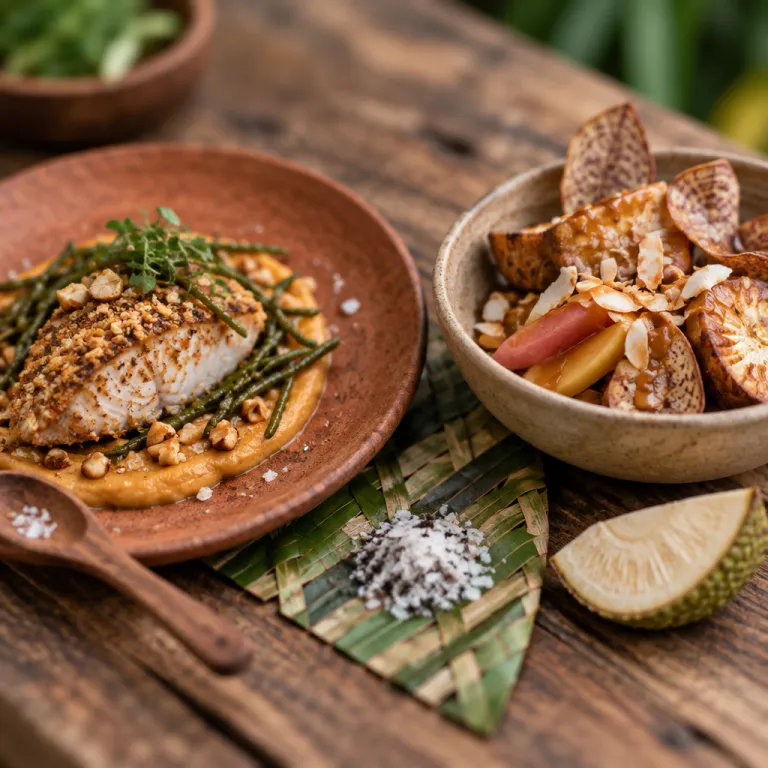
Merriman’s Waimea and the quiet rise of Big Island fine dining
Merriman’s in Waimea is where many locals say the story of upscale dining on the Big Island of Hawaii truly begins. When chef Peter Merriman opened in the cool upcountry town in 1988, he persuaded Waimea ranchers and small growers to join a then radical idea of selling directly to one restaurant instead of through mainland distributors. That decision created a template for island restaurants that now shapes where you book your table and which hotel you choose nearby.
Today Merriman’s reports using close to 90 percent local ingredients, a figure that quietly sets a benchmark for any restaurant claiming to serve regional food on the Big Island. In interviews about Hawaii Regional Cuisine over the past decade, Merriman has explained that this commitment did not appear overnight; it grew from years of conversations with cattle ranchers, lettuce growers and fishermen who were more used to shipping to the continental United States than driving down to Waimea with a chilled box. For travelers planning a trip that blends business meetings in Kona with leisure time in the uplands, this Waimea address is the place where the island’s agricultural central nervous system meets white tablecloth service.
The dining room feels relaxed rather than formal, which is a defining trait of many of the island’s top fine dining rooms. You will see smart casual dress, executives in linen shirts fresh off a cruise call in Kailua Kona and couples who have driven up from their resorts on the Kohala Coast. The energy is polished but unpretentious, more about the food on the plate than likes and comments on social media.
Merriman’s origin story matters when you are choosing where to stay on the island. If you base yourself in the Kohala Coast resorts, Waimea sits within a 25 to 35 minute drive, making it an easy evening trip with minimal time in the car. Guests who prefer to stay in central parts of the Big Island, closer to ranch country than to the beach, often plan two visits here during a longer trip because the menu tracks the seasons so closely.
For many readers of stay-in-hawaii-big-island.com, the question is not whether Merriman’s belongs among the best restaurants for fine dining on the Big Island, but how to fit it into a tight schedule. Business travelers who have joined colleagues for meetings in Kona often reserve one night in Waimea as their personal reward. They reply to internal company forums and travel threads later, saying this was the meal that finally connected the volcanic landscape, the ranches and the ocean on a single plate.
Merriman’s Waimea essentials (verify before you go):
Approximate address: Waimea (Kamuela), Hawaii Island, HI, United States
Typical hours: dinner nightly, with earlier seatings on weekends
Reservations: recommended via the restaurant’s official website or major booking platforms
Phone: check the current contact number on the official Merriman’s Waimea page.
From ranch to plate: how Merriman’s built a farm focused ecosystem
The power of Merriman’s lies in the relationships behind each dish rather than in elaborate plating. In the early days, Peter Merriman drove from ranch to ranch across the Big Island, asking cattlemen to sell him smaller cuts and better marbled beef that would stay on the island instead of heading to the mainland United States. That persistence helped shift how producers in this part of America thought about restaurants as partners rather than distant buyers.
Those conversations extended beyond beef to Hamakua mushrooms, island grown greens and line caught fish that once left through ports bound for Central America, Mexico and even further south. Today, when you order a kampachi crudo or a simple salad, you are tasting the result of decades of joined efforts between chefs and farmers who chose to keep their best food here. This is why Merriman’s is often the first place mentioned in ideas forums and reply threads when travelers ask for trip suggestions focused on local cuisine.
The menu reads like a map of the Big Island rather than a generic list of dishes. You might start with a preparation of Kona kampachi, move to Kohala ranch beef and finish with lilikoi from a small farm near Hilo, all without leaving your table. For guests staying in luxury hotels, this kind of meal turns a standard resort stay into a deeper trip through the island’s agricultural and cultural geography.
Service at Merriman’s reflects the same grounded philosophy. Staff talk easily about which farm supplied tonight’s tomatoes or why a particular fisherman only brings in a limited catch on certain moon phases. That level of detail appeals to business leisure travelers who are used to high service standards in the United States, Canada, Caribbean cruises or Asia–Australia city hotels, but who want something more rooted here.
If you are planning your stay around food, book Merriman’s early, especially during peak holiday periods. Reservations open well in advance and prime times between 18:00 and 20:00 fill quickly, so alerts from your hotel concierge or your preferred booking platform can be useful. As of 2024, main courses at both Merriman’s and ULU typically range from the mid-$40s to $70 USD, with tasting menus and wine pairings increasing the total, so plan your budget accordingly. Pair your Waimea evening with a coastal lunch on the Kohala side, perhaps following the island’s poke trail from Suisan Fish Market in Hilo to refined omakase counters on the west coast, as outlined in this guide to the island’s poke and omakase experiences.
- Pros of Merriman’s for food focused travelers: deep farm connections, seasonal menus, relaxed but refined atmosphere.
- Potential drawbacks: inland location requires a drive from most beach resorts; reservations can be difficult at short notice.
ULU Ocean Grill: Japanese precision on a volcanic shoreline
On the Kona coast, ULU Ocean Grill at Four Seasons Resort Hualalai represents a different but equally compelling vision of Big Island dining. Here the conversation about high end restaurants on the island shifts from ranch houses and upcountry fields to a lava framed shoreline where waves break just beyond your table. The restaurant’s philosophy blends Japanese technique with Hawaiian ingredients, creating a style that feels both international and deeply local.
ULU has stated that it sources from more than 160 Big Island farms and fishermen, a network that mirrors and expands the relationships pioneered in Waimea. The resort’s culinary team works with suppliers of Hamakua mushrooms, Kona kampachi, island raised beef and delicate greens, often planning menus around what is thriving in the fields rather than what is trending in forums across the United States or East Asia. This approach aligns with a broader movement in Hawaii Regional Cuisine, where chefs use local ingredients and multicultural influences to define a modern island identity.
The setting at ULU is pure Kona drama. Tables sit just metres from the water, with torches flickering against black lava rock and the sky fading from orange to indigo as the sun sinks behind the Pacific. For many guests staying at luxury properties along this coast, dinner here becomes the signature restaurant experience of their entire trip.
While Merriman’s leans into rustic warmth, ULU feels more like a coastal pavilion where Japanese precision meets Hawaiian ease. Sashimi flights, charcoal grilled fish and artfully composed vegetable dishes show off the same ingredients you might see upcountry, but filtered through a different lens. It is an ideal place to host clients, celebrate a deal or simply mark the shift from business meetings to leisure time.
Both Merriman’s and ULU rely on the same volcanic terroir and the same network of producers, yet they express them in contrasting ways. To understand how chefs across the island cook with lava formed soils and microclimates, read this in depth piece on farm to table cooking on volcanic terroir. It will help you see how your dinner reservation choices connect to the land beneath your feet.
ULU Ocean Grill essentials (confirm before visiting):
Location: Four Seasons Resort Hualalai, Kona–Kohala Coast, Hawaii Island, HI, United States
Typical hours: dinner service nightly, with sunset seatings in highest demand
Reservations: usually required for non-resort guests; book through the Four Seasons or major reservation platforms
Phone: use the current number listed on the Four Seasons Hualalai dining page.
Choosing between Merriman’s and ULU for a limited stay
Many travelers only have two or three open evenings during a Big Island trip, especially when a conference or corporate retreat anchors the schedule. If you are deciding between Merriman’s and ULU, start by asking what kind of connection to the island you want from your meal. Both belong among the most notable fine dining options on the Big Island of Hawaii, but they serve different moods and logistics.
Stay on the Kohala Coast or in Kailua Kona and ULU will likely be the more convenient choice, especially if you prefer to avoid night driving on unfamiliar roads. You can step from your room at Four Seasons Hualalai or a nearby resort straight into the restaurant, which matters after a long day of meetings, golf or a cruise excursion. Guests who base themselves in central Waimea or who enjoy scenic drives often find Merriman’s easier to integrate into their plans.
Think of Merriman’s as the place for a deeper conversation with the island’s farmers and ranchers. The room is lively but not loud, ideal for talking through trip ideas, future destinations in Central America or the Australia–Pacific region and even comparing notes on other island restaurants across Hawaii. ULU, by contrast, is where the ocean soundtrack and the choreography of service create a more theatrical evening.
From a culinary standpoint, Merriman’s excels at robust, layered flavors that showcase the Big Island’s agricultural strength. ULU leans into precision and contrast, with Japanese techniques highlighting the purity of seafood and vegetables. Both restaurants accommodate dietary restrictions, and both can tailor menus for business dinners where you need the food to impress without overwhelming conversation.
For many readers, the ideal strategy is not either or, but both. Start your stay with ULU to ground yourself in the Kona coastline, then head up to Waimea later in the week to experience how the same ingredients feel inland. If you only have one night, choose Merriman’s when you want to feel the island’s land first, and choose ULU when the ocean is the element that calls you most strongly.
- Best for land focused cuisine: Merriman’s Waimea (upcountry, ranch linked, seasonal menus).
- Best for oceanfront theater: ULU Ocean Grill (waterfront setting, Japanese influenced seafood).
Reservations, wellness focused stays and the wider culinary map
Securing a table at either restaurant requires planning, especially during school holidays and peak travel periods from the mainland United States, Canada, Caribbean cruise routes or Asia–Australia gateways. Reserve as soon as your flights and hotel are confirmed, aiming for at least several weeks ahead for prime times. Both restaurants recommend smart casual attire, and both reward those who arrive a little early to enjoy the light before sunset.
When you are choosing where to stay, consider how your dining plans intersect with wellness and rest. Many luxury travelers now prefer quieter properties that emphasize spa rituals, stargazing and low key evenings over loud entertainment, a shift explored in this feature on wellness focused hospitality on the Big Island. Pairing such a retreat with one or two high impact dinners at Merriman’s or ULU can create a balanced itinerary that feels both restorative and indulgent.
The Big Island’s culinary map stretches far beyond these two addresses, of course. From poke counters in Hilo to food trucks near Kailua Kona and small island restaurants in Volcano village, you will find a spectrum of experiences that reflect influences from Central America, Mexico, South America and even the Middle East and African trade routes that once crossed the Pacific. Yet Merriman’s and ULU remain the twin anchors that help you understand how all these threads weave together.
Online, you will see countless posts and forums where travelers compare notes on the best restaurant experiences across the island. Some subscribe to threads that track last minute cancellations, while others share detailed posts about wine lists, tasting menus and service nuances. Use these as a supplement, not a substitute, for your own priorities and the guidance of a well informed hotel concierge.
As one concise explanation from the culinary movement itself puts it, “What is Hawaii Regional Cuisine? A culinary movement focusing on local ingredients and multicultural influences.” That sentence captures why Merriman’s and ULU matter so much to anyone curating a high end stay on the Big Island. They are not just places to eat; they are where the island’s land, sea and history sit down at the table with you.
FAQ
What makes Merriman’s and ULU stand out among Big Island restaurants?
Both restaurants sit at the center of Hawaii Regional Cuisine, using a very high percentage of local ingredients and long standing relationships with farmers and fishermen. Merriman’s in Waimea emphasizes an upcountry, ranch connected perspective, while ULU at Four Seasons Hualalai offers an oceanfront, Japanese influenced interpretation of the same Big Island pantry. Together they define how luxury travelers experience the island’s most ambitious food.
How far in advance should I book a table at Merriman’s or ULU?
For peak seasons and weekends, aim to reserve several weeks in advance, especially for prime times around sunset. Hotel concierges on the Kohala and Kona coasts can sometimes secure last minute options, but relying on that approach is risky if your stay is short. Business leisure travelers with fixed meeting schedules should lock in reservations as soon as flights and accommodation are confirmed.
Do these restaurants accommodate dietary restrictions and preferences?
Both Merriman’s and ULU are accustomed to serving guests with a wide range of dietary needs, from vegetarian and vegan to gluten free and dairy free. Menus highlight many naturally adaptable dishes, and servers are trained to coordinate with the kitchen on specific requests. Inform the restaurant when you book and again when you are seated to ensure a smooth experience.
How does Big Island fine dining differ from Maui or Oahu?
Fine dining on the Big Island tends to feel more land connected and less formal than in major resort corridors on Maui or Oahu. Menus lean heavily on local beef, mushrooms, greens and fish, often named by farm or fishing vessel, and dining rooms embrace smart casual dress rather than strict formality. The result is a style of luxury that feels closely tied to volcanic landscapes and small communities.
Which area should I stay in if I want easy access to both restaurants?
Staying on the Kohala Coast offers the best balance, with ULU a short drive away and Waimea, home of Merriman’s, reachable in roughly half an hour by car. This location also places you within comfortable driving distance of Kailua Kona, Hilo day trips and key natural attractions. From there you can shape your itinerary around one inland and one oceanfront dinner without spending your evenings on the road.