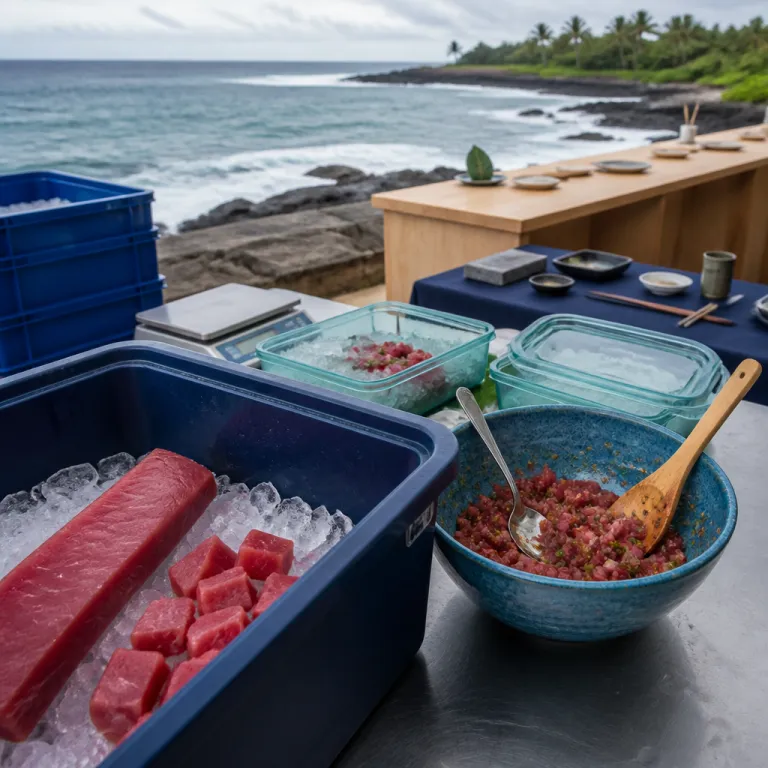
Why Big Island poke tastes different from the mainland
On the Big Island of Hawaiʻi, poke is not a trend, it is a lineage. Traditional Hawaiian style poke began as seasoned cubes of raw fish mixed simply with sea salt, limu seaweed and roasted kukui nut, long before mainland poke bowls added kale, mayonnaise and crunchy toppings. If you arrive wondering about the best poke Hawaiʻi Big Island where to eat, you are really asking where to taste this lineage in its purest form.
The island’s volcanic shelf drops steeply offshore, especially off the Kona and west coasts, so fishermen reach deep pelagic waters within a few nautical miles. That geography means the ahi fish that becomes classic ahi poke can move from boat to cutting board in hours, which is why Big Island poke bowls often taste cleaner and more delicate than versions on Oʻahu or the mainland. When you try a simple bowl poke of shoyu ahi with sweet Maui onion, you taste the ocean first and the seasoning second.
On the mainland, a poke bowl usually arrives as a salad of rice, sauces and toppings, with the fish almost an accessory. In island Hawaiʻi, especially on the Big Island, the fish is the point and the rice is optional, so even resort chefs keep the core style poke minimal and let the texture of the cubes carry the dish. For luxury travelers planning island travel, understanding this difference helps you find best places poke that respect tradition, whether you are at a roadside shack or a white tablecloth omakase counter.
Hilo mornings at Suisan Fish Market: where the trail begins
The most honest answer to the question of best poke Hawaiʻi Big Island where to eat often starts at Suisan Fish Market on Hilo Bay. This historic poke market began as one of Hawaiʻi’s earliest fish auction houses, and it still anchors the local seafood chain that feeds both family tables and luxury hotel kitchens. Visit early in the morning and you will see the day’s catch of ahi, marlin and other fish arriving directly from small boats that work the island’s east side.
Inside the market poke counter, trays of ahi poke, spicy marlin and limu tako sit side by side, each bowl of diced fish glistening with sesame oil or chili. Staff will usually offer a taste if you ask politely, which is the best way to compare flavors spicy shoyu against creamy poke spicy mayo or a bright Hawaiian style limu mix. Order by weight in grams, not by Instagram, and you can build your own poke bowls to eat on the seawall just outside.
For travelers staying in Hilo’s premium hotels or driving over from Kona, Suisan is also a masterclass in ordering etiquette. Stand back for a moment, skip content on your phone and watch how locals grab poke for lunch, choosing two or three options and mixing them over warm rice in a single poke bowl. Once you are ready, step up, say which fish and which style poke you want, and do not be shy about asking which trays were cut most recently, because freshness is the quiet luxury here.
From Hilo counter to Kona coffee country
Many guests pair a Suisan visit with a slow drive across the island to Kona, turning a simple poke stop into a full day of island travel. The route takes you from Hilo’s rain soaked bayfront through saddle country and down to the dry west coast, where Kona coffee farms cling to the slopes above the sea. If you are planning to combine poke tastings with a deep dive into local agriculture, it is worth reading this guide to a Kona coffee farm visit from cherry pick to first cup before you go.
Roadside counters and markets: everyday poke on the Kona and west coasts
Once you reach Kona and the wider west side, the question of best poke Hawaiʻi Big Island where to eat shifts from a single market to a constellation of small counters. Here, the waters off the Kona coast provide some of the freshest yellowfin in the Pacific, and that supply feeds humble poke shack windows as well as polished resort kitchens. You might find a simple shack beside a gas station where locals grab poke for the beach, the fish cut that morning and the rice still steaming.
At these west side places, the menu usually lists a few core options rather than endless poke bowls with every topping under the sun. Expect classic shoyu ahi poke, a bright Hawaiian style limu version, and at least one spicy ahi or mixed flavors spicy bowl poke that leans on chili and mayonnaise. When you see a hand written sign for market poke or a chalkboard listing “fresh ahi today”, that is often a better indicator of quality than any polished décor.
For luxury travelers staying in high end resorts along the Kohala Coast, these roadside places poke offer a counterpoint to tasting menus and room service. A short drive from a five star lobby can bring you to a family run poke market where the owner still knows which boat landed which fish, and where poke big trays empty by early afternoon. To understand how these humble counters connect to the island’s broader food culture, read about how chefs work with volcanic terroir in this piece on farm to table cooking on lava fields, then taste how that same respect for place shows up in a simple poke bowl.
Kohala Coast omakase: when poke enters the tasting menu
By evening, the poke trail reaches the Kohala Coast, where omakase restaurants inside luxury resorts reinterpret the same fish you saw at Suisan. Here, chefs take the core idea of Hawaiian style poke and weave it into multi course menus, sometimes serving a single cube of ahi poke on a ceramic spoon as a precise, almost architectural bite. The phrase "Is poke served in omakase menus?" meets a clear answer here : "Yes, poke is often featured in omakase menus, showcasing its versatility and appeal."
These Kohala Coast omakase counters rely on the same network of local fishermen and the Hilo poke market, but the presentation shifts from plastic bowl to porcelain plate. A chef might present a deconstructed poke bowl where the rice becomes a crisp wafer, the fish is lightly torched and the seasoning echoes traditional flavors spicy with chili and sea salt. Another course could reference a humble poke shack by pairing raw fish with pickled island vegetables, turning a roadside snack into a study in texture.
For guests booking premium suites, this is where the best poke Hawaiʻi Big Island where to eat intersects with white glove service and curated wine pairings. You sit at a counter of polished wood while the chef explains which part of the big island the fish came from and how the style poke on your plate differs from the classic bowl poke you ate in Hilo. Reservations are essential for these omakase experiences, and they reward travelers who want to find best expressions of local fish without giving up the comforts of a world class resort.
How luxury hotels curate poke experiences for discerning travelers
High end properties across island Hawaiʻi now understand that guests asking about best poke Hawaiʻi Big Island where to eat are really seeking a narrative, not just a snack. Many luxury concierges will map a personal poke trail for you, starting with a morning visit to Suisan Fish Market, moving through a casual west side poke shack and ending at a Kohala Coast omakase counter. Some resorts even invite local fishermen and market poke vendors to host tastings on property, turning the lobby into a temporary poke market for an evening.
In room dining menus increasingly feature poke bowls that reference specific places, such as a Kona coast ahi poke with coffee rubbed salt or a Hilo style poke bowl built around limu and sweet onion. When you see descriptions that name the big island fishing grounds or the exact market where the fish was sourced, you are looking at a hotel that treats poke as a serious part of its culinary program. For travelers comparing suites and villas, guides like this overview of Big Island luxury vacation rentals and island elegance can help you choose a base that takes food as seriously as design.
From a hospitality perspective, poke has become a quiet marker of authenticity and care. A property that can confidently recommend three different places poke for you to grab poke on a day of island travel, from a humble shack to a refined dining room, usually has its ear tuned to local life. When you plan your stay, ask not only about spa menus and pool cabanas, but also about how the hotel connects you to the island’s best poke, because that answer often reveals how deeply it is rooted in Hawaiʻi.
Ordering etiquette and practical tips for your Big Island poke trail
Knowing where to go for the best poke Hawaiʻi Big Island where to eat is only half the story, because how you order matters almost as much as where you stand in line. At a busy poke market like Suisan, start by scanning the trays, then ask which fish was cut most recently and whether there are any off menu options that regulars are ordering. Locals usually choose a mix of ahi poke styles, perhaps one shoyu, one spicy and one Hawaiian style limu, then decide whether to turn them into poke bowls over rice or take them as pure fish by weight.
On the Kona and west coasts, many small places poke will offer a set of house bowls alongside a build your own poke bowl format. If you are unsure, begin with the house bowl poke that the staff recommends, then adjust on your second visit by adding more flavors spicy or asking for extra chili if you like your poke spicy. When you grab poke to go, remember that the fish continues to marinate in its sauce, so eat it within an hour for the cleanest texture and the truest taste of the big island sea.
For travelers staying in luxury hotels, do not hesitate to ask the concierge for help decoding local menus or even for a short printed guide to island travel focused on food. A good concierge will know which poke shack is worth a detour, which market poke sells out by midday and which omakase counter is currently doing the most interesting style poke with local fish. Treat your poke trail as you would a wine route in Europe, planning a few key stops and leaving space for serendipity, because that is how you will truly find best expressions of this essential Hawaiian dish across island Hawaiʻi.
FAQ
What is poke in Hawaiian cuisine ?
Poke is a Hawaiian dish of diced raw fish, often seasoned and served as an appetizer or main course. On the Big Island, traditional versions focus on ahi tuna mixed with sea salt, limu seaweed and roasted kukui nut rather than heavy sauces. Modern interpretations add flavors spicy with chili, soy and sesame, but the fish remains the centerpiece.
Where is Suisan Fish Market and why is it important ?
Suisan Fish Market is located at 93 Lihiwai Street on the Hilo waterfront, on the east side of the Big Island. It began as one of Hawaiʻi’s earliest fish auction houses and still functions as a key supplier of fresh fish and poke to local families, restaurants and some resort kitchens. Visiting Suisan gives travelers a direct view of the island’s seafood chain, from morning catch to lunchtime poke bowls.
Do I need reservations for Kohala Coast omakase restaurants ?
Reservations are typically required for omakase dining experiences along the Kohala Coast, especially at smaller counters inside luxury resorts. These restaurants serve limited seatings each night and often feature poke as part of multi course tasting menus. Booking early through your hotel concierge is the safest way to secure a seat.
How does Big Island poke differ from mainland poke bowls ?
Big Island poke usually emphasizes very fresh fish, minimal seasoning and simple accompaniments, often served by weight rather than as elaborate poke bowls. Mainland versions tend to build large bowls with many toppings, sauces and non traditional ingredients, sometimes overshadowing the fish. On the Big Island, especially in Hilo and Kona, the focus stays on the quality of the ahi and the balance of a few key flavors.
Is poke available year round on the Big Island ?
Poke is available throughout the year on the Big Island, as local fisheries operate continuously and markets like Suisan receive regular deliveries. Specific species and cuts may vary with seasons and weather, but you can expect to find ahi poke and other common styles whenever you visit. Luxury hotels and omakase restaurants adjust their menus to reflect what is freshest at any given time.