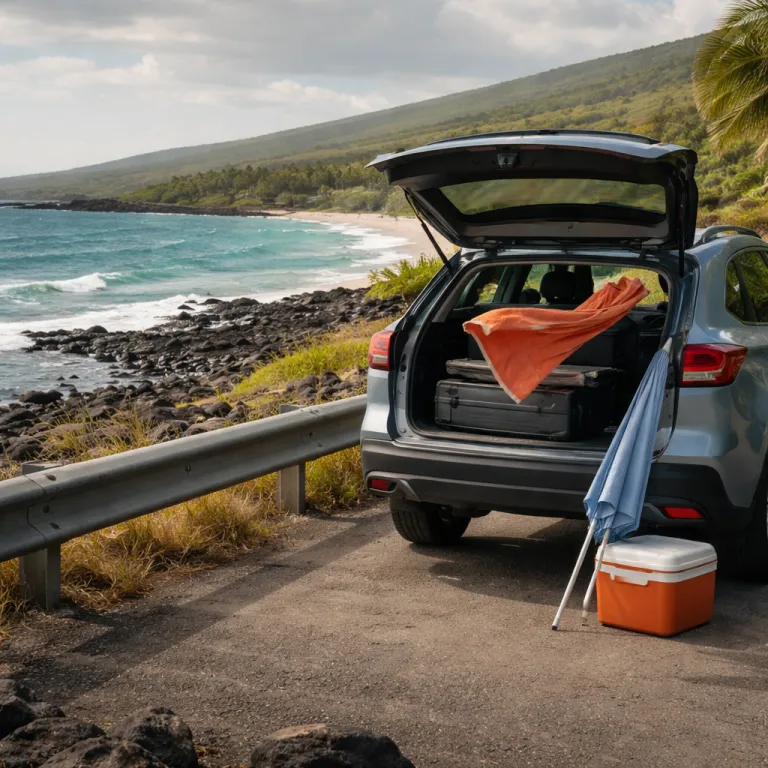
Why this coastal drive defines a big island Hawaii best beaches road trip
This island itinerary links Punaluʻu’s black sand to Hapuna’s white sand in a single, unforgettable coastal drive. You trace an island road that runs from the remote south coast through Kona coffee country to the resort-lined Kohala shoreline, turning a simple drive into a curated beachfront progression for families and luxury travelers alike. Along the way, the contrast between black sand and white sand beaches, rugged lava and manicured beach park lawns, sets the tone for choosing the right premium hotel at each stop.
On the south side island, Punaluʻu Black Sand Beach anchors the big island Hawaii best beaches road trip with its jet black sand and frequent honu, the Hawaiian green sea turtles. Local authorities and marine biologists repeat the same rule for this beach and all sand beaches with wildlife; keep at least 3 meters of distance, never touch, never feed, and let children watch from well back from the water line. The best time of day for Punaluʻu is early morning or late afternoon, when the black sand is cooler under bare feet and the light on the water turns silver rather than harsh white.
From here, the road north threads through Kaʻu and South Kona, where the island’s volcanic past is written in every lava flow and every black sand cove. Driving directly from Punaluʻu to the beaches big around Hapuna Beach takes roughly 2.5 to 3 hours without long stops, which can feel like a lot for younger children. A smart plan is to split the road trip into at least two day stages, pairing a quiet south coast stay with a more animated Kailua Kona or Kohala Coast resort that fronts a calm sand beach.
Punaluʻu Black Sand Beach and Papakōlea Green Sand for families
Punaluʻu Black Sand Beach is the most accessible black sand beach on the big island, and it works well for families who want drama without a long hike. The sand here is made from pulverized lava, so it feels slightly coarser than the white sand at Hapuna Beach or Mauna Kea Beach, and the contrast between the black sand, the deep blue water and the coconut palms is striking. Lifeguards are not always present, currents can be strong, and the shore break can be steep, so this is more of a sand beach for strolling, turtle viewing and picnics than for long swims with small children.
From Punaluʻu, confident drivers can extend this Big Island beach drive to Papakōlea, the island’s famous green sand beach near South Point on the far south side island. Reaching this green sand cove requires either a hot hike of about 4.5 kilometers each way or a ride in one of the local trucks that use the rough island road, which is why families with younger children often choose to admire the south coast from the official South Point lookout instead. Guidance for this itinerary is clear about logistics: “Is a 4WD vehicle necessary for all beaches? Only for Papakōlea Green Sand Beach; others are accessible by standard vehicles.”
Because this southern stretch of Hawaii is remote, luxury travelers should think carefully about where to base themselves for the night and how much driving time feels comfortable for their group. There are no large resorts directly on the black sand or green sand beaches here, so many premium families opt to stay either near Volcanoes National Park or in Kailua Kona, then treat Punaluʻu as a day trip. Before you go, check the latest information on park access, road closures and visitor center hours from official park sources such as Hawaii State Parks or the National Park Service, then layer your beach park stops around that information.
For those structuring a multi day itinerary, one practical planning resource on stay in Hawaii Big Island outlines what is opening, what is booking out and where to lock in for peak season, which is especially useful when you want to secure the right beachfront suite before finalizing your Punaluʻu to Hapuna itinerary dates.
From South Kona to Kailua Kona and the Kohala Coast
Leaving the south, the road bends into South Kona and then North Kona, where the landscape softens and the coastline begins to offer more swimmable sand beaches. Kealakekua Bay, reached by a side road, is a marine life conservation district known for clear water and frequent spinner dolphins, but it is not a traditional sand beach for children to dig and play. Families often pair a morning snorkel here with an afternoon at a nearby beach park, then return to a luxury hotel in Kailua Kona that offers a pool, calm water access and easy dining.
Further along the island road, Puʻuhonua o Hōnaunau National Historical Park layers cultural depth onto this Big Island coastal itinerary, with lava rock shorelines rather than long sand beaches. This national park is a powerful place to explain Hawaiian history to older children, and its sheltered coves can be good for snorkeling when conditions are calm, though there is no white sand or black sand for younger kids to enjoy underfoot. From here, the drive to Kailua Kona is short, often under 40 minutes, and this is where many premium families choose to spend one or two nights in a full service resort before continuing north.
North of Kailua Kona, the coastline becomes more obviously resort focused, with gated communities and high end properties set on rugged lava and imported white sand coves. For travelers who want the most exclusive take on this big island Hawaii best beaches road trip, a stay at a private club style enclave such as the coastal luxury at Kūkiʻo Resort offers seclusion, curated activities and access to calm sand beaches that are ideal for children. Even if you choose a different property, this stretch between Kona and the Kohala Coast is where you start to feel the transition from wild south shore to manicured resort beach park, and it is worth taking time to stop at a roadside café or coffee farm to break the drive for younger travelers.
Kekaha Kai State Park, Hapuna Beach and Mauna Kea Beach
Before you reach the Kohala Coast’s marquee sand beaches, Kekaha Kai State Park offers a more elemental stop on the big island Hawaii best beaches road trip. The access road is rough but manageable in a standard rental car when driven slowly, and the reward is a series of sand beaches framed by black lava and turquoise water that feel far from the resort scene. Families should pack water, snacks and reef safe sunscreen, because services are limited and the sun on this side island can be intense by midday.
Continuing north, Hapuna Beach State Recreation Area is the point where many travelers feel they have arrived at the archetypal Hawaii sand beach, with a long arc of white sand, clear water and a generous beach park with showers, restrooms and lifeguards. Hapuna Beach is consistently rated among Hawaii’s best white sand beaches, and for families this translates into gentle waves on most days, room to spread out and relatively easy parking when you arrive early. Shade can be limited on the sand itself, so parents often set up near the back of the beach under the trees or rent a cabana from a nearby resort, then let children move between the water and the cooler sand without overheating.
Just north of Hapuna, Mauna Kea Beach, also known as Kaunaʻoa Bay or Kea Beach, curves in a perfect crescent of white sand below one of the island’s classic luxury hotels. Public access is guaranteed by Hawaii law, but parking is limited and often fills by mid morning, so families staying at the Mauna Kea Beach Hotel or its sister property next door enjoy a real advantage in being able to walk straight from room to sand. This is one of the best sand beaches on the island for children, with typically calm water, soft white sand and excellent visibility for first snorkel sessions along the rocky edges, and it forms a fitting northern bookend to a road trip that began on black sand in the south.
Night manta rays, hotel choices and practical logistics
For many premium families, the highlight of the Kona and Kohala stretch of a big island Hawaii best beaches road trip is a guided night snorkel with manta rays. These gentle giants feed on plankton attracted by lights in the water, and several operators depart from harbors near Kailua Kona and the Kohala Coast, offering family friendly trips with flotation devices and clear briefings. Children who are strong swimmers and comfortable in deep water often find this more memorable than any sand beach, while younger siblings can stay ashore with one parent at the hotel pool or beach park.
When choosing where to stay along this island road, think in terms of two or three bases that match your family’s rhythm rather than a new hotel every day. One effective pattern is a rainforest or upcountry lodge near Volcanoes National Park for one or two nights, a full service resort in Kailua Kona for manta ray access and dining variety, and a final stay at a Kohala Coast property directly on a white sand beach such as Hapuna Beach or Kea Beach. This structure keeps daily road time reasonable for children, lets you share different microclimates of the island and ensures that both black sand and white sand experiences feel relaxed rather than rushed.
Logistics matter on this scale of island, so plan fuel stops in Hilo, Kailua Kona or Waimea, carry more water than you think you need and always check local weather and surf forecasts before committing to a full beach day. Guidance that underpins this itinerary emphasizes three simple habits for eco friendly travelers: check weather forecasts, pack reef safe sunscreen and respect local wildlife. Seasonal winter swells can bring larger surf to west and north facing shores, so pay attention to posted warnings, lifeguard advice and tide information at each beach park. If you treat each beach, from Punaluʻu’s black sand to Papakōlea’s green sand and Hapuna’s white sand, as a privilege rather than a backdrop, your family’s big island Hawaii best beaches road trip will feel less like a checklist and more like a series of carefully chosen coastal chapters.
FAQ
What are the must visit beaches on the big island for this road trip ?
For a south to north coastal drive, the essential stops are Punaluʻu Black Sand Beach, Papakōlea Green Sand Beach for those comfortable with the hike or 4WD shuttle, and Hapuna Beach on the Kohala Coast. Many families also add Mauna Kea Beach for its calm white sand cove and Kekaha Kai State Park for a wilder sand beach experience. This combination gives you black sand, green sand and white sand beaches within a single, coherent big island Hawaii best beaches road trip.
Is a 4WD vehicle necessary for all the beaches on this itinerary ?
A standard rental car is sufficient for Punaluʻu Black Sand Beach, Hapuna Beach, Mauna Kea Beach and most beach park stops along the Kona and Kohala coasts. The only major exception is Papakōlea Green Sand Beach near South Point, where the rough track to the shoreline is suitable only for high clearance 4WD vehicles driven by experienced locals. Many visitors choose to park at the official lot and either hike the island road on foot or use one of the local shuttle trucks rather than driving themselves.
How many days should a family plan for this coastal itinerary ?
To keep driving time manageable for children, plan at least three full days for the core big island Hawaii best beaches road trip between Punaluʻu and Hapuna. One day can focus on the south coast and black sand, another on South Kona’s cultural sites and Kona town, and a final day on Kekaha Kai, Hapuna Beach and Mauna Kea Beach. Families who want to include Volcanoes National Park and a night manta ray excursion often stretch this to five or six days with two or three hotel bases.
Which parts of the route are best for swimming with children ?
The most consistently family friendly swimming is found at Hapuna Beach and Mauna Kea Beach, where the white sand slopes gently and lifeguards or resort staff monitor conditions. Punaluʻu Black Sand Beach can have strong currents and a steep drop off, so it is better for short paddles at the water’s edge and turtle viewing rather than full swims for younger children. Winter surf on the west and north facing shores can be larger, so always check posted warnings at each beach park and be prepared to shift plans if swell or wind makes the water less suitable for kids on a given day.
How can luxury travelers align hotel choices with this beach focused route ?
High end travelers usually select two or three strategic bases that minimize backtracking while keeping them close to key beaches. A stay near Volcanoes National Park pairs well with Punaluʻu and the south coast, a resort in or near Kailua Kona works for manta rays and Kona side beaches, and a final Kohala Coast property on or near Hapuna Beach or Mauna Kea Beach delivers the classic white sand finale. Booking early for peak periods ensures access to the most desirable room categories, especially connecting suites and oceanfront units that suit premium families.