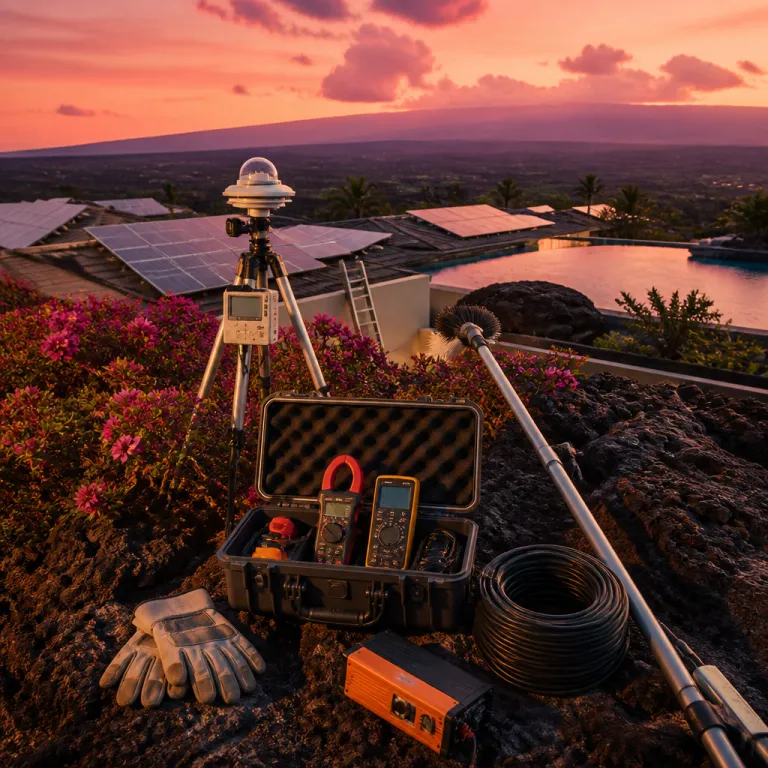
Why sustainable luxury on the big island now means energy math
On Hawaiʻi Island, high-end resorts now live or die by their energy math. At Mauna Kea Beach Hotel on the Kohala Coast, on-site photovoltaic systems and grid-scale renewables supply a substantial share of the resort’s electrical demand, reshaping what a luxury stay means on sacred lava. When you book a beach hotel or larger resort here, the question is no longer only about the best ocean view but also about how your chosen property treats the land that carries it.
Solar integration has moved from marketing line to structural backbone for several properties on the island. The Waikōloa Solar and Storage Facility, developed by AES Hawaiʻi and brought online in late 2023, combines roughly 160,000 panels with 240 MWh of battery storage to feed the grid that powers hotels from Waikoloa Village to the wider Kohala Coast. Hawaiʻi Electric Light has described projects like this as “critical to meeting the state’s 100% renewable energy goal by 2045,” underscoring how regional infrastructure now underpins eco-conscious resorts rather than isolated rooftop arrays. For guests choosing between different hotels, this means the energy footprint of a single resort stay is increasingly tied to island-wide systems rather than just the pool pumps or air conditioning units you see on site.
At Kona Village, A Rosewood Resort, set on roughly 81 acres of shoreline north of Kailua Kona, solar power is woven into the rebirth of a historic retreat on culturally sensitive ground. The property’s design team worked with local partners to align solar fields, pathways and low-slung hale-style accommodations with the natural contours of the lava, echoing older ahupuaʻa land divisions that once ran from mountain to ocean. As cultural advisor Kekuhi Kealiʻikanakaʻole has summarized in similar projects across Hawaiʻi, “If the land is honored first, comfort will follow.” When you walk from your beach house-style hale to the pool or fitness center, you move through a landscape that tries to balance resort comfort with a quieter respect for the volcanic rock underfoot.
From marketing to malama: what responsibility looks like on property
On the Big Island, the language of mālama and kuleana now appears on almost every resort website. The real test for environmentally responsible luxury hotels is how those Hawaiian values translate into daily operations at each coastal property, from Mauna Lani to Fairmont Orchid and The Westin Hapuna. Guests should look for specific practices rather than broad promises when choosing where to stay.
Hawaiʻi County’s regenerative tourism framework grounds itself in three Hawaiian concepts, stating that tourism here should reflect mālama as care, kuleana as responsibility and aloha as connection. When a beach resort on the Kohala Coast claims to follow this framework, ask how staff training, cultural programming and sourcing policies reflect those words in practice across seasons, not only during peak holidays. A property that limits access to sensitive dunes behind Kaunaʻoa and Hapuna beaches, funds local fishpond restoration and adjusts lighting to protect nesting turtles is operating very differently from a resort that simply adds a Hawaiian blessing to its welcome drink.
Properties such as Mauna Lani and Fairmont Orchid have begun to integrate cultural practitioners into their guest experience teams, shifting the role from entertainment to education. That might mean a guided walk explaining the ahupuaʻa system that once linked Mauna Kea’s slopes to the ocean, or a conversation about why certain lava fields near Kona Village Resort are considered sacred and should not host sunset yoga. Mauna Lani, for example, highlights that its Kainalu Ocean Program and cultural team lead complimentary outings focused on history and marine stewardship, while Fairmont Orchid reports ongoing support for nearby fishpond restoration. For a deeper look at how luxury eco properties on Hawaiʻi Island are evolving, our dedicated guide to luxury eco resorts on Hawaiʻi’s Big Island breaks down which hotels are moving beyond slogans.
Ahupuaʻa thinking and the new solar powered resort footprint
Traditional ahupuaʻa divided the island from upland forest to ocean reef, managing water, food and spiritual sites as one living system. Upscale retreats that take this seriously are rethinking how their footprints sit between mauna and kai, between mountain and sea. Solar panels, greywater systems and low-impact pathways become tools to echo that older logic rather than simply decorate a modern hotel.
At Kona Village Resort, the layout of hale clusters, pathways and service roads follows the natural flow of the lava field instead of imposing a rigid grid. Solar arrays are tucked away from the most culturally sensitive areas, while view corridors from each hale to the ocean are preserved so guests feel the full sweep from Mauna Hualālai down to the reef, not just the manicured pool deck. This is where the phrase “How do resorts balance luxury and sustainability? By integrating solar power and respecting sacred land.” stops being a slogan and becomes a design brief.
Mauna Kea Beach Hotel and the neighboring Westin Hapuna Beach Resort sit on one of the island’s most celebrated stretches of sand, Hapuna Beach and Kaunaʻoa Bay, where the curve of the bay naturally frames Mauna Kea in the distance. Their recent investments in solar infrastructure, water-saving fixtures and reef-safe amenities show how a classic beach hotel can evolve without losing its iconic view-hotel status. Mauna Kea Resort has reported double-digit reductions in energy use per occupied room over the past decade, while Westin Hapuna highlights low-flow plumbing and native landscaping as part of its conservation strategy. For travelers wanting to understand how these choices fit into the broader regenerative tourism movement on Hawaiʻi Island, our in-depth feature on regenerative tourism on the Big Island unpacks the policies behind the poolside details.
Where the industry still falls short: greenwashing, gaps and hard questions
Not every hotel on Hawaiʻi Island that uses the word sustainable has earned it. Some resorts have installed a token solar array or a single refill station, then continued to expand energy-hungry villas and oversized pools without rethinking their overall footprint. For a traveler booking a premium stay, the challenge is separating genuine commitment from clever branding.
Look closely at how a resort reports its energy mix, water use and waste diversion, and whether those numbers are independently verified or tied to certifications such as LEED, Green Key or Hawaiʻi Green Business Program recognition. A property that can explain how much of its power comes from grid-scale solar projects like the Waikōloa facility, how it manages greywater for landscaping and how it protects the reef in front of its beach house-style suites is usually doing more than a resort that simply offers a towel reuse card. When comparing options from Kailua Kona down the coast to smaller hotels near Hawaiʻi Volcanoes National Park, ask whether the “sustainable luxury” label is backed by long-term investment or just a seasonal campaign.
There are also cultural blind spots that even the best resorts still navigate imperfectly. Some hotels have built event lawns or new pools over areas that local communities consider spiritually significant, even while promoting Hawaiian cultural experiences in their marketing. As one community advocate told a Hawaiʻi Island planning meeting, “You cannot market culture on Friday and pour concrete on it on Monday.” The tension between expanding inventory of ocean-view rooms and honoring the deeper story of the land remains one of the hardest questions for luxury resorts, from autograph collection-style properties to independent hotels that aspire to the best possible guest experience.
How guests can participate in regenerative luxury on Hawaiʻi Island
Travelers hold more influence over resort behavior on Hawaiʻi Island than most realize. Every time you choose a property that invests in solar panels, cultural programming and careful site design, you reward operators that treat the coastline as more than a backdrop. The way you move through the island, from Kona to the Kohala Coast and beyond, can either reinforce or challenge the status quo.
Before you book, ask specific questions about energy sources, waste policies and community partnerships at each hotel resort you consider, whether it is Mauna Kea Beach Hotel, Mauna Lani, Fairmont Orchid, Hualālai Resort or a smaller view hotel in Waikoloa Village. Once on site, respect local customs, learn about sacred sites and support eco-friendly resorts by choosing experiences that align with mālama and kuleana, such as guided cultural walks instead of motorized beach tours. Our curated guide to refined things to do on the Big Island for a luxurious escape highlights activities that pair well with a low-impact stay, from coffee farm visits near Kona to stargazing under Mauna Kea’s dark skies.
On property, simple choices matter, from skipping daily linen changes to choosing the fitness center over short car transfers between different parts of the resort. When you select reef-safe sunscreen, stay on marked paths between your room and the beach and join hotel-led restoration days, you help align guest experience with the island’s regenerative tourism goals. Over time, consistent guest demand for responsible practices will shape how future pools, restaurants and even autograph collection-style hotel properties are designed along this volcanic shore.
Reading the property map: practical cues for choosing your resort
Maps and site plans reveal more about a resort’s values than any brochure. When you study the layout of hotels along the Kohala Coast or near Kailua Kona, look at how buildings, pools and pathways relate to the shoreline and existing vegetation. Environmentally conscious Big Island resorts tend to cluster development away from the most fragile dunes and concentrate activity zones where the land is already disturbed.
At Mauna Kea Beach Hotel, the original mid-century footprint hugs the curve of Kaunaʻoa Bay, while newer energy systems such as solar panels sit back from the sand on less visible parts of the property. Westin Hapuna and Hualālai Resort follow similar principles, keeping their largest pools and fitness center complexes slightly inland while preserving open view corridors from public areas to the ocean. In contrast, some newer hotels have pushed beach house-style villas and event lawns right to the high-tide line, leaving little room for natural processes or public access.
When comparing resorts from Mauna Lani to Fairmont Orchid or autograph collection properties in Waikoloa Village, ask to see how staff describe their land stewardship. A team that can explain why certain lava outcrops remain untouched, how native plantings support pollinators and where solar arrays sit in relation to cultural sites usually reflects deeper training and commitment. On an island where every bay, from Hapuna Beach to smaller coves near Kona Village Resort, carries layered stories, choosing a hotel that reads the land with care is one of the most meaningful decisions you can make.
FAQ
How do resorts on Hawaiʻi Island balance luxury and sustainability in practice ?
Resorts balance luxury and sustainability by investing in large-scale renewable energy, redesigning sites to protect sensitive coastal zones and embedding Hawaiian cultural values into operations. Solar power from on-site arrays and regional projects such as the Waikōloa Solar and Storage Facility reduces dependence on fossil fuels without compromising comfort. At the same time, properties work with cultural practitioners to ensure guest experiences respect sacred land rather than treat it as a backdrop.
What is the significance of sacred land for hotels on the big island ?
Sacred land on Hawaiʻi Island often includes lava fields, heiau temple sites, fishponds and coastal areas tied to ancestral stories. When a resort builds or operates on such land, it carries a responsibility to consult local communities, avoid disturbing key sites and interpret the area respectfully for guests. This is why some properties limit development in certain zones, adjust lighting, or create cultural programs that explain the history beneath the hotel grounds.
Are there other eco friendly resorts on the big island beyond the major brands ?
Yes, several smaller properties complement the sustainability moves of larger resorts such as Mauna Kea Beach Hotel or Hualālai Resort. Places like Hawaiʻi Island Retreat in North Kohala and educational centers such as Gingerhill focus on agriculture, low-impact lodging and immersive learning around regenerative practices. These stays tend to offer fewer conventional resort amenities but a deeper connection to the island’s ecosystems and community projects.
What can guests do to support regenerative tourism during their stay ?
Guests can support regenerative tourism by choosing properties with verified sustainability programs, respecting cultural protocols and participating in on-site conservation activities. Simple actions such as reducing energy use in rooms, staying on marked trails and using reef-safe sunscreen help protect local ecosystems. Booking locally owned tours, visiting farms and contributing to community-led projects extends that impact beyond the hotel grounds.
How do solar projects like the Waikōloa facility affect my resort experience ?
Large solar projects reduce the carbon footprint of the grid that powers many coastal resorts, meaning your air conditioning, lighting and pool heating rely less on fossil fuels. For most guests, the visual impact is minimal because arrays are sited away from primary view corridors and beach areas. What you feel instead is the reassurance that your stay on Hawaiʻi Island aligns more closely with the island’s long-term environmental and cultural goals.