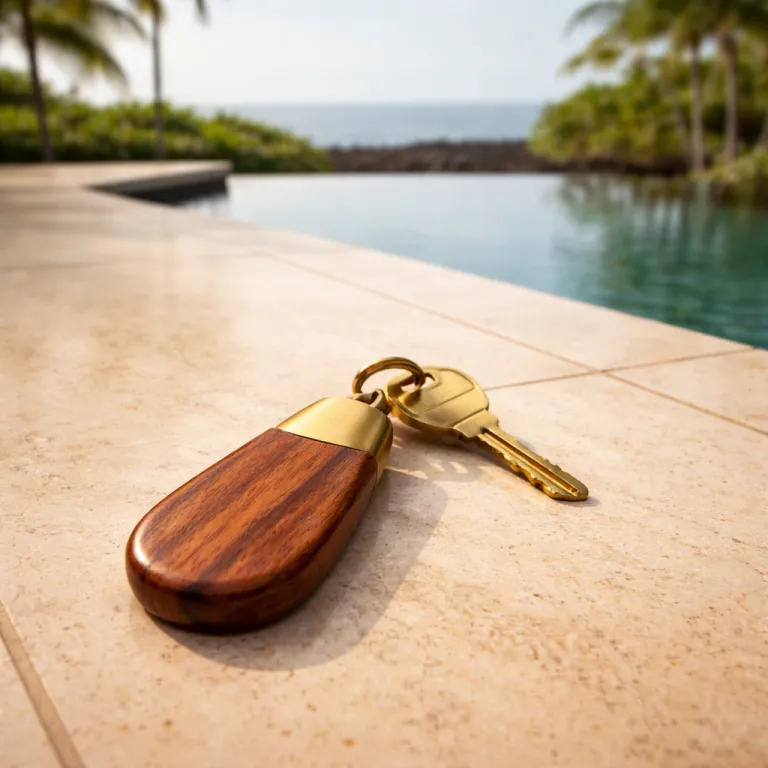
Why a luxury stay on Hawaii's Big Island now means private estates
On Hawaii's Big Island, the most interesting high-end stays are increasingly found behind unmarked gates rather than at the nearest resort. The island has the space, the raw volcanic drama and the coastal variety to make private estates feel less like rentals and more like self contained ahupuaʻa, with your own slice of beach, lava and forest in one address. For business travelers extending a trip into leisure, that shift from hotel corridor to private driveway changes the entire rhythm of a stay.
Recent visitor statistics from the Hawaii Tourism Authority show a steady rise in vacation rental use across the islands, and local property managers on the Big Island report that demand for top tier estates has climbed significantly over the past decade. A 2023 luxury travel trends summary from Virtuoso notes that a strong majority of affluent travelers now prioritize private villas and estates for greater seclusion, which aligns with what we see in booking patterns for every bespoke Big Island itinerary we curate.
This is not a rejection of the classic beach resort or ocean facing hotel on the Kohala Coast. It is a recalibration, where the resort becomes a place you visit for dinner, a manta ray briefing or a sunset at a favorite shipwreck bar, while your primary base is a private estate with its own pool, chef and quiet rooms. On the Big Island, that hybrid model lets you enjoy the best resort restaurants, the liveliest beach bars and the most polished hotel autograph style service, then retreat to a Kaunaʻoa Bay or Hapuna facing villa or a Mauna Lani hillside home where the only sound at night is the ocean.
From five star resort to private estate: what really changes
For many executives used to platinum status and suite upgrades, the first question is simple; what does a private estate offer that a five star resort does not. The answer starts with control, because in a well managed estate you set the schedule for housekeeping, spa treatments and meals, rather than working around the resort best available time slots. That control is what turns a standard Big Island luxury booking into something closer to a private club experience.
Typical estates on the Big Island’s Kohala Coast or above Kailua Kona offer multiple bedrooms, expansive living rooms and large lanais, so a group that would need several rooms in a hotel can share one address. With an average nightly rate for top tier estates often around 2 500 US dollars, a party of six or eight frequently pays less per person than for separate ocean view rooms at a Four Seasons or similar resort level property. When you factor in a private pool, a full kitchen and the ability to host informal meetings or family dinners, the value equation shifts decisively toward estates for longer stays.
Service is the main trade off, and it is where the best property management companies now narrow the gap with resorts. Many estates include access to local concierge services that arrange everything from a private manta rays night swim to a curated visit to refined ocean view condominiums near Poʻipū Beach on Kauaʻi, even if your primary base remains on the Big Island. “Our guests want the privacy of a home with the support of a five star front desk,” says Kailua Kona based estate manager Leilani K., who oversees a portfolio of luxury villas. You still visit landmark properties such as Mauna Kea Beach Hotel, Mauna Lani or The Westin Hapuna Beach Resort for their restaurants, golf and beach clubs, but you return to your own Hapuna facing terrace or Kona Village style compound when the evening ends.
Where private estates work best on the Big Island
Not every corner of the Big Island suits the private estate model equally well. The Kohala Coast, with its string of legendary resorts from Mauna Kea to Mauna Lani and The Westin Hapuna, remains the most coveted stretch for a high-end island itinerary built around estates. Here, gated communities sit just mauka of the shoreline, giving you fast access to Hapuna Beach, Kaunaʻoa Bay and resort level amenities at Hualalai and beyond without sacrificing privacy.
Further south, the hills above Kona offer estates that trade direct beach access for sweeping ocean views, cooler evenings and quick access to coffee country. This is where a business traveler can finish meetings in Kailua Kona, then be on a lanai in twenty minutes, tasting single origin beans after a visit arranged through a Kona coffee farm experience from cherry pick to first cup. One repeat guest, a technology executive from San Francisco, describes his usual pattern as “mornings on calls from the lanai, afternoons in the water, evenings with the grill going and the kids in the pool,” a rhythm that would be harder to sustain in a busy resort.
On the windward side, Hilo’s rainforest and the uplands around Volcano Village attract a different kind of guest, one who values proximity to lava fields and cloud forest over a manicured resort pool. Estates here feel more like private lodges, with fireplaces instead of shipwreck bar style lounges and hot tubs instead of sprawling pools, yet they still deliver the same sense of seclusion that drives the broader trend. Across these regions, the common thread is space; the island’s size allows estates to sit on generous lots, so even when you are near a major resort or village hub, your room and outdoor areas feel genuinely apart.
Wellness, slow travel and the private estate mindset
The most interesting shift in high-end Big Island travel is not only where guests sleep, but how they use time. Private estates lend themselves to slow travel, with longer stays, fewer check ins and a deeper relationship with one landscape, one village and one stretch of coast. That rhythm suits executives who want to decompress after meetings without the constant stimuli of a large resort.
Wellness is central to this new model, and the best estates now rival resorts in spa and fitness offerings. Properties with dedicated yoga decks, cold plunge pools and in house massage rooms consistently see higher guest satisfaction, mirroring global data that links wellness amenities to better reviews and repeat stays. When you can schedule sunrise yoga facing the ocean, followed by a chef prepared breakfast using local produce, the estate becomes less a place to sleep and more a private retreat.
Concierge teams and property managers are the quiet architects of this experience. They arrange in estate lomi lomi massages, private training sessions and guided swims with manta ray experts, often using the same practitioners who serve the top resorts. Guests still dip into resort life for a dinner at a Kohala Coast institution or a sunset drink at a shipwreck bar style venue, but the emotional center of the trip is the estate itself, where the pool, the rooms and the surrounding land form a coherent, restorative whole.
How private estates compare on price and value
For all the romance of a gated driveway and a private pool, most travelers still run the numbers. On the Big Island, those numbers increasingly favor estates once you move beyond two people and stay more than a few nights. The key is to compare not just nightly rates, but the total value of space, privacy and included amenities.
A top tier oceanfront resort suite on the Kohala Coast can easily match or exceed the 2 500 US dollars average nightly rate of a high end estate. Yet that suite usually offers one main room and perhaps a second bedroom, while a comparable estate delivers multiple rooms, expansive indoor outdoor living areas and a full kitchen. For a family, a small corporate retreat or a group of friends, the per person cost of an estate often undercuts the combined cost of several resort rooms, especially when you factor in the ability to cook some meals at home.
There are still scenarios where a classic resort or beach hotel remains the best choice. Solo travelers on a short stay, or guests who want constant social energy, may prefer the immediate access to restaurants, bars and programmed activities that a large resort or hotel autograph style property provides. Yet for the growing segment of affluent travelers who value seclusion, tailored service and the freedom to shape each day, the private estate has become the default definition of a luxury Big Island stay, with resorts and hotels serving as optional satellites rather than the main stage.
How to choose and book the right private estate
Securing the right estate on the Big Island now requires the same level of strategy you once reserved for peak season resort bookings. High demand means the best properties, especially along the Kohala Coast and above Kona, are often booked months in advance, so early planning is essential. Start by defining your priorities clearly; beach access, proximity to a specific village, or a focus on wellness and seclusion.
Most luxury travelers book through a mix of direct owner contacts, specialized property management companies and trusted travel advisors. Online platforms can be useful for initial research, but for a truly elevated Hawaii Island experience, a local expert who knows the difference between a Mauna Lani hillside home and a Hapuna Beach front villa is invaluable. They can also clarify access rights to nearby resorts, since some estates include privileges at neighboring properties such as Mauna Kea Beach Hotel, Mauna Lani or The Westin Hapuna Beach Resort, while others remain entirely independent.
Due diligence matters more with estates than with hotels. Always verify property details, confirm that photos match current conditions and ask specific questions about pool safety, air conditioning in all rooms and any shared facilities in the village or community. As one industry summary from Luxury Travel Magazine puts it, “Book well in advance due to high demand. Verify property details and amenities. Consider hiring local concierge services.” That last point is crucial, because a skilled concierge can recreate many of the best resort services in your estate, from arranging a private manta rays briefing to securing a prime table at a Kohala Coast restaurant that usually reserves its oceanfront seats for in house guests.
Key figures behind the rise of private estates
- Vacation rental use across Hawaii, including private estate stays on the Big Island, has risen steadily over the past decade, according to published visitor statistics from the Hawaii Tourism Authority, reflecting a sustained shift away from relying solely on traditional resort stays.
- Affluent travelers now show a strong preference for private villas and estates when seeking total seclusion, based on a recent luxury travel survey summarized in a 2023 global high end travel report that tracks booking behavior across Hawaii and other island destinations.
- Average nightly rates for luxury estates on the Big Island often hover around 2 500 US dollars, as reported in annual Hawaii villa market overviews from outlets such as Luxury Travel Magazine, which frequently compare these figures to the cost of top tier resort suites on the Kohala Coast.
- Properties that integrate wellness amenities such as dedicated yoga spaces, spa treatment rooms and cold plunge pools tend to see guest satisfaction scores rise compared with similar estates without these features, according to internal reporting shared by several leading Hawaii based property managers.
- Travel data for the Big Island shows a clear increase in private estate bookings relative to traditional luxury hotels over the past few years, underscoring how quickly the market has embraced this evolving definition of a high-end Hawaii Island stay.
FAQ: private estates versus resorts on Hawaii's Big Island
Why are luxury travelers choosing private estates over resorts on the Big Island ?
Luxury travelers are choosing private estates over resorts on Hawaii's Big Island for enhanced privacy, personalized services, and exclusive amenities. Estates allow guests to control their schedule, host private gatherings and enjoy facilities such as pools and gourmet kitchens without sharing space with other guests. This level of seclusion is especially appealing to executives and families who want a quieter environment than a large resort can offer.
What amenities do private estates on the Big Island usually offer ?
Private estates on the Big Island typically offer private pools, fully equipped gourmet kitchens and generous indoor outdoor living areas. Many also include dedicated wellness spaces, such as yoga decks or massage rooms, and access to concierge services that can arrange activities like manta ray encounters or private chefs. High end estates near major resorts may also provide optional access to nearby golf courses, beach clubs and restaurants.
How can I book a private estate for a luxury stay hawaii big island trip ?
You can book a private estate on the Big Island through online rental platforms, specialized property management companies or luxury travel agencies that focus on Hawaii. For complex itineraries or high season dates, working with a local expert or concierge service helps match your needs with the right neighborhood, from the Kohala Coast to the Kona hillsides. Always confirm availability, amenities and any resort access in writing before finalizing payment.
When does a private estate become more cost effective than a resort ?
A private estate usually becomes more cost effective than a resort when you are traveling as a group or staying for an extended period. Once you need several resort rooms or suites, the combined nightly rate often exceeds that of a multi bedroom estate with a pool and kitchen. The ability to cook some meals and host informal gatherings at the estate further improves the overall value compared with relying solely on resort restaurants and services.
Are private estates suitable for first time visitors to Hawaii's Big Island ?
Private estates can be an excellent choice for first time visitors, provided you pair the property with strong local support from a concierge or property manager. Estates near established resort areas such as the Kohala Coast or Kailua Kona offer easy access to beaches, restaurants and activities while still delivering privacy. Guests who prefer a more independent, immersive experience often find that starting with an estate sets the tone for a deeper connection to the island.