Why lava tubes shape the way you choose your Big Island hotel
Lava tubes are not just a geology lesson; they quietly dictate how you plan your stay on the Big Island. When you design a lava tube–focused Big Island Hawaiʻi itinerary around sunrise at Hawaiʻi Volcanoes National Park and sunset cocktails on the Kohala Coast, your choice of hotel becomes part of the flow of the lava itself. The most rewarding trips link your room key to the island’s active earth, from Mauna Loa’s flanks to the sea cliffs above an endless ocean view.
The island’s tubes formed when the surface of a lava flow cooled into solid rock while molten lava kept moving underneath, leaving a hollow tunnel once it drained. Because eruptions from Mauna Loa and Kīlauea have been so frequent, the Big Island holds a dense network of lava tubes, caves and caverns that range from polished, lit walkways to raw, rope-and-helmet routes where you must bring a flashlight and your own nerve. For luxury travelers, that means you can pair a refined resort with a very specific style of underground experience, from the paved Nāhuku (Thurston Lava Tube) path to private tours into deeper tube systems documented by cave researchers and local guides.
Think of your hotel as base camp for whichever lava tube speaks to you most. Stay near Hawaiʻi Volcanoes National Park if you want a pre-breakfast stroll through a lit lava tunnel and ranger-led tours that start minutes from your room. Base yourself near Hilo if you prefer the darker drama of Kaumana Caves or the rougher caves Hilo locals use as a quick escape from the rain, where a free descent from the parking lot drops you straight into the island’s volcanic past.
Thurston lava tube: lit paths, rainforest air and easy access
Thurston lava tube, also called Nāhuku, is the polished side of the Big Island lava tube spectrum. The tube sits just off Crater Rim Drive inside Hawaiʻi Volcanoes National Park, a short loop walk through dripping rainforest that feels almost theatrical after the stark lava fields above. Here the rock walls are smoothed by centuries of flow, and electric lighting traces roughly 180 metres (about 600 feet) of tunnel so visitors can walk without needing to bring a flashlight for the main section.
The tube itself is estimated to be roughly 500 years old, a fact that Hawaiʻi Volcanoes National Park uses as a quiet lesson in how young this island really is. A newspaper publisher named Lorrin Thurston is credited as the modern discoverer, and the park later installed lighting and railings to make the tube accessible to a wider range of visitors, including those who prefer paved paths. The National Park Service notes in its official guidance that Nāhuku is generally open during park hours, ranger-led walks are offered when staffing allows, and the main corridor is electrically lit for safety; always verify current conditions, parking rules and any temporary closures on the official park website or visitor centre bulletin boards before you go.
From a hotel planning perspective, Thurston suits travelers who want comfort first and caves second. Luxury properties in Volcano village and along the southeastern slopes of Mauna Loa allow you to reach the national park entrance in under 30 minutes by car, which means you can time your walk through the tube between a slow breakfast and a spa appointment. If you are staying on the Kohala Coast or near an ocean-view villa in Kona, expect to drive many miles each way—often 2.5 to 3 hours round trip depending on traffic and weather—so build the tube, the park overlooks and perhaps a short hike across older lava fields into a full day, and factor in park entry fees and limited parking at peak times.
Kaumana Caves and caves Hilo: self guided darkness for independent travelers
Kaumana Caves near Hilo sit at the opposite end of the Big Island lava tube experience. Here the state has provided a simple staircase from the parking lot into the mouth of the lava tube, then left the rest to your judgment, your footwear and your respect for the dark. Entry is free, there are no rangers underground, and the only light comes from what you bring, so conditions can feel very different from the managed environment inside Hawaiʻi Volcanoes National Park.
The Kaumana Caves system formed from an 1881 Mauna Loa flow that once threatened Hilo, and the remaining tube branches for many kilometres under the surface according to cave surveys. Most visitors explore only the first few hundred metres, where the rock floor is uneven, damp and often slick, and where roots hang from the ceiling like chandeliers in a forgotten ballroom. This is where the instruction to bring a flashlight stops being a casual suggestion and becomes essential safety gear, along with closed shoes and a willingness to turn back when the ceiling drops, the air feels stale or posted signs indicate private property or restricted access beyond certain points.
Staying in Hilo or nearby gives you the flexibility to time Kaumana Caves around weather and crowds, since heavy rain can make the entrance stairs slippery and may increase water on the cave floor. Some travelers pair a morning in the caves Hilo area with an afternoon food trail, sampling poke spots, farmers markets and small cafés across town instead of racing back to a distant resort. Luxury-minded visitors often choose an ocean-view suite in Hilo town or a quiet retreat above the bay, then use a rental car to hop between waterfalls, Kaumana Caves and the more polished lava tube experiences inside Hawaiʻi Volcanoes National Park, checking local information boards for any updated safety notices.
Guided spelunking: Kazumura, Kula Kai and the off grid tubes
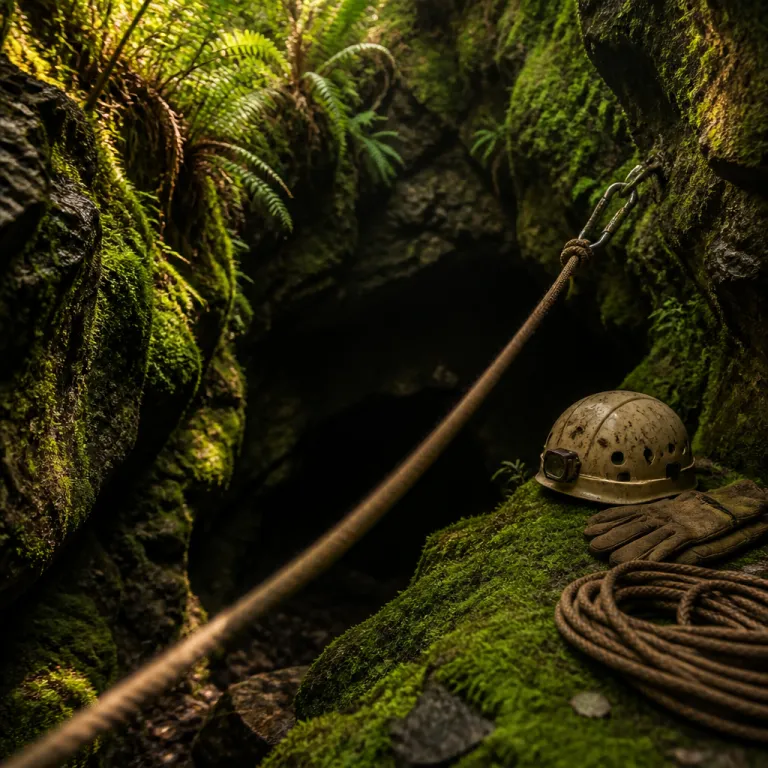
For many solo explorers, the real draw of a Big Island lava tube tour lies beyond the lit paths and short walks. Guided spelunking excursions lead into longer, undeveloped tubes where helmets, gloves and kneepads are standard, and where the silence feels almost physical. These experiences are where names like Kazumura, Kula Kai and Kai Caverns start to matter, because access is typically controlled by landowners and licensed operators who manage fragile cave environments.
Kazumura Cave, on the eastern slopes above Hilo, is often cited by cave researchers as one of the longest known lava tubes on the planet, with mapped passages extending for more than 60 kilometres according to speleological surveys. Guided tours here tend to focus on geology rather than adrenaline. You see lava falls frozen mid-cascade, delicate lava stalactites and tubes big enough to swallow a city bus, all while learning how different flow ages stack like pages in a book. On the drier southwest side near Ocean View, operators around Kula Kai Caverns and Kai Caverns offer tours through multi-level tubes where the rock is pale, almost bone-coloured, and where the roof sometimes opens to reveal a sudden slice of sky; many of these routes require advance reservations and respect for landowner rules.
These guided tours are not free, but the expertise is the point, especially if you are staying in a luxury property and want your adventure curated as carefully as your tasting menu. Many high-end hotels on the Kona and Kohala coasts work with vetted operators who understand both the fragility of the caves and the expectations of guests arriving from a five-star pool deck. When you book through a specialist or directly with a tour company, look for clear safety briefings, small group sizes, landowner permissions, insurance details and explicit instructions to bring a flashlight even when guides provide headlamps, as well as any age limits, fitness requirements or seasonal closure notes.
What lava tubes reveal about the island’s past and how to stay nearby
Every lava tube, from Thurston’s lit corridor to the shadowed reaches of Kazumura, is a cross section of the island’s memory. The smooth, glazed rock near a tube entrance might mark a fast, hot flow, while rougher, blocky sections deeper inside record a slowing, cooling river of lava that began to crust and crumble. When you walk through these caves, you are literally moving along the path that molten rock once took from vent to sea, tracing the same routes that modern geologists map in detail.
Inside, the ecosystem is sparse but precise, shaped by darkness, moisture and the occasional root that punches through from the forest above. You may see fine roots dangling from the ceiling, tiny insects adapted to low light and, in some tubes, delicate mineral films that shimmer when your flashlight beam passes over them. Hawaiʻi Volcanoes National Park and other land managers ask visitors not to touch these surfaces, because the oils from a single hand can alter growth that has taken decades, a detail worth remembering when you step from a marble-floored lobby into a lava tube only a few miles away and find yourself in a protected, research-worthy environment.
Choosing where to stay becomes a question of which part of this volcanic story you want at your doorstep rather than a single “best” hotel. A retreat in Volcano village places you minutes from Hawaiʻi Volcanoes and its national park infrastructure, including ranger talks, marked trails and the famous Thurston lava tube. A villa near Ocean View or the Kona coast aligns you with the drier southwest, closer to Kula Kai tours and Kai Caverns, while Hilo hotels keep Kaumana Caves, Kazumura Cave and the broader caves Hilo network within an easy drive, often 15 to 40 minutes depending on the site, traffic and weather.
Planning your lava tube days from a luxury base
Designing a Big Island lava tube adventure from a luxury or premium hotel is about pacing as much as place. The island’s distances are real, and driving many miles between a resort on the Kohala Coast and Hawaiʻi Volcanoes National Park can turn a day of exploration into a test of patience. A smarter strategy is to cluster your lava tube days around one side of the island at a time, then let your hotel choice follow, using a map and realistic drive times rather than assuming you can cross the island quickly.
One approach is to split your stay between two properties, perhaps starting with an ocean-view suite in Kona or Kohala for manta ray dives and Kula Kai tours, then shifting to a rainforest lodge near Volcano for Thurston lava walks and evening talks about Hawaiʻi Volcanoes. Another is to anchor in Hilo, using its central position to reach Kaumana Caves, Kazumura Cave, the caves Hilo coastline and even day trips to the national park, while relying on a curated booking platform to secure rooms that match your expectations for service and design. Either way, treat the instruction to bring a flashlight as non-negotiable, even for lit tubes, because power can fail, weather can change quickly and the most interesting side passages are often unlit or managed with minimal infrastructure.
For any underground excursion, build a simple checklist before you leave your hotel: headlamp or flashlight with spare batteries, sturdy closed-toe shoes, light jacket, water, and, for undeveloped tubes, a helmet and gloves if your operator does not supply them. Luxury on the Big Island is not just about thread count; it is about alignment with the forces that built this place. When your concierge arranges a private tour into tube systems beneath Mauna Loa, or a ranger-led walk through a national park lava tube before the tour buses arrive, you are buying time inside the island’s geology, not just another excursion. Choose hotels and tours that respect access rules, support conservation and treat these caves as living archives, and your stay will feel less like a checklist and more like a quiet conversation with the Big Island itself, grounded in accurate information and thoughtful logistics.
FAQ
Is Thurston lava tube suitable for first time visitors and families
Thurston lava tube inside Hawaiʻi Volcanoes National Park is ideal for first-time visitors because it is paved, electrically lit and relatively short at about 180 metres (around 600 feet). The approach is a gentle rainforest loop with railings, and the main tunnel height allows most adults to walk upright. Families who prefer structured experiences can also join ranger-led tours that explain the geology in clear, accessible language; check the official park schedule, alerts page and entrance station notices for current offerings and any temporary closures or maintenance work.
Do I need a guide for Kaumana Caves near Hilo
Kaumana Caves are generally visited without a guide, as access from the parking lot is via a public staircase into the tube entrance. However, the interior is unlit, uneven and can be slippery, so only confident, well-prepared travelers should go beyond the first illuminated section or obvious daylight zone. If you are unsure about navigating dark, rough terrain, consider booking a guided tour in another lava tube instead, and always follow posted safety signs, respect private property markers and comply with any local regulations or seasonal restrictions.
What should I bring for a lava tube tour on the Big Island
For any lava tube or cave on the Big Island, you should bring a flashlight or headlamp, sturdy closed shoes with good grip and a light jacket, as temperatures underground can feel cooler. In undeveloped tubes such as parts of Kaumana Caves or guided sections of Kazumura Cave and Kula Kai Caverns, helmets and gloves are often provided but may also be required, especially on longer or more technical routes. Always check your tour operator’s equipment list, confirm whether permits or reservations are needed and review national park or landowner guidelines before entering, as rules can change with weather, conservation needs or volcanic activity.
How do lava tubes differ between Hawaiʻi Volcanoes National Park and private tour sites
Lava tubes inside Hawaiʻi Volcanoes National Park, such as Thurston, are managed for broad public access, with lighting, railings and clear signage. Private tour sites like Kazumura, Kula Kai and Kai Caverns typically offer smaller group experiences in less developed tubes, focusing on geology, conservation and sometimes more physically demanding routes that may involve crawling or ladders. Both options reveal different aspects of the island’s volcanic history, so many travelers choose to experience at least one of each, checking official park information and operator descriptions to match their comfort level.
Can I visit lava tubes if I am staying on the Kohala or Kona coasts
Yes, you can visit lava tubes from Kohala or Kona, but you should plan for significant driving time, often several hours round trip to Hawaiʻi Volcanoes National Park or Hilo-area caves depending on traffic and road work. Many high-end resorts work with tour operators who coordinate departure times, equipment and routes to make the day efficient and comfortable, sometimes including early-morning departures to avoid crowds. If lava tubes are a priority, consider adding a night or two near Volcano or Hilo to reduce time on the road and increase time underground, and confirm current road conditions and park alerts before setting out.