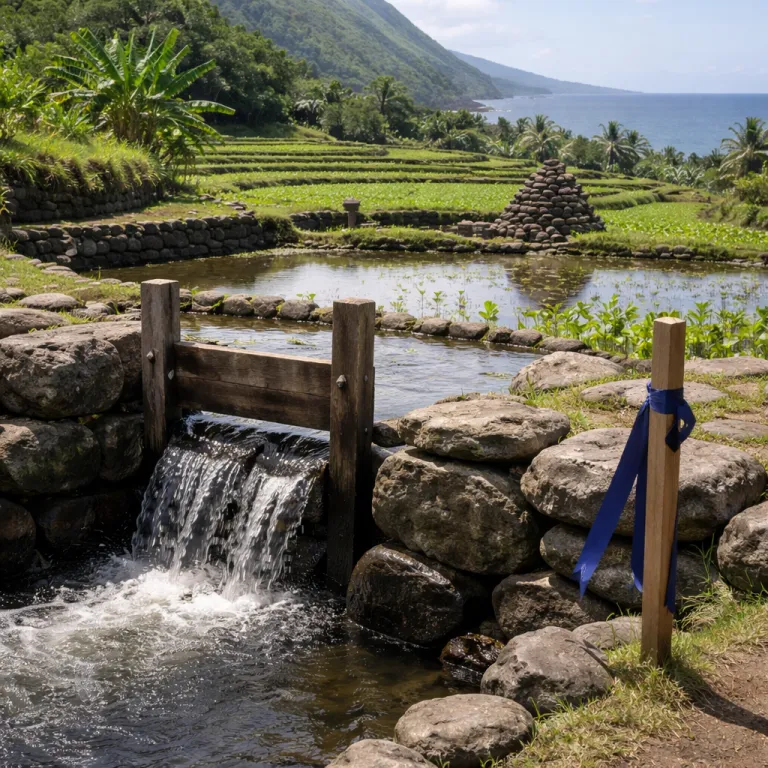
Ahupuaʻa from mountain to sea: the framework behind luxury stays
On Hawaiʻi Island, every luxury stay quietly sits inside an ahupuaʻa, the traditional Hawaiian land division that runs from the mountains to the sea. This ahupuaʻa system once organized how water, land, marine resources, and people moved between upland forests, sweet potato fields, shoreline fisheries, and coral ecosystems, and its logic still shapes where high-end resorts rise today. When you book on the Kohala Coast or near Hilo, you are entering a living map of Hawaiian culture, where ancestral practices of land stewardship and deep respect for place still guide conversations about development and hospitality.
An ahupuaʻa is more than a boundary line on a modern map, because it was designed as a complete resource system that could sustain a community from summit to reef. Historical accounts describe how an aliʻi, or chief, ruled each ahupuaʻa while a konohiki oversaw resources, and makaʻāinana — the commoners who farmed, fished, and built terraces — helped communities live in balance with forests, streams, and the open ocean. As the Hawaiʻi Volcanoes National Park brochure and the Bishop Museum’s cultural summaries both note, “An ahupuaʻa is a traditional Hawaiian land division from mountains to sea, intended to provide all the resources a community needed,” a definition echoed in introductory texts such as Marion Kelly’s work on Hawaiian land tenure.
On the Big Island there are often said to be around 80 named ahupuaʻa, a figure repeated in park signage, Bishop Museum educational materials, and academic overviews of island land divisions. Many luxury properties still reference these land division names in their addresses, cultural programs, or spa menus. When a resort team talks about its ahupuaʻa context, it signals a commitment to Hawaiian culture, to the specific narratives of that valley or lava flow, and to a style of service that treats guests as temporary participants in a long-running story. As cultural practitioner Kekuhi Kealiʻikanakaʻole has summarized in public talks, visitors are “entering a genealogy of place, not just a destination.” Understanding this background will help you read between the lines of marketing copy and choose stays that align with your own respect for land and ocean.
How the ahupuaʻa system organized water, resources and Hawaiian society
The ahupuaʻa system emerged because Hawaiian leaders needed a practical way to share scarce water and fertile land across rugged volcanic slopes. Each wedge-shaped land division stretched from high mountains such as Mauna Loa down through cloud forests, agricultural belts, and coastal fisheries, so that one community could access every resource required for survival. This integrated design linked ecosystems into a single cultural and economic unit, where the flow of water from upland springs to the sea mirrored the flow of labor, ceremony, and responsibility within Hawaiian society.
Within each ahupuaʻa, the aliʻi set overall priorities, the konohiki managed day-to-day resource use, and the makaʻāinana cultivated kalo, sweet potato, and other crops in carefully terraced fields. Irrigation systems carried fresh water to loʻi patches, while stone fishponds at the ocean edge turned tidal movements into reliable marine larders that could feed hundreds. Cultural practitioners and historians often summarize the goal as ensuring resource availability, promoting self-sufficiency, and maintaining ecological balance across land and sea, rather than maximizing short-term gain.
For travelers, this history matters because it explains why certain valleys feel unusually land rich, why some coastal shelves host thriving marine life while others remain fragile, and why local communities ask visitors to respect land and ocean protocols. When you walk a resort trail from lava desert down to a sheltered cove, you are tracing the same vertical path that generations of Hawaiians walked to move between forest bird-catching grounds, sweet potato fields, and nearshore fisheries. Recognizing that continuity can help you choose activities that support, rather than strain, the living cultural heritage of Hawaiʻi Island.
Where luxury meets ahupuaʻa boundaries on the Big Island
Many of the Big Island’s most coveted addresses sit along the leeward coast, where ancient ahupuaʻa once balanced dryland farming with rich marine resources. On the Kohala Coast, high-end resorts occupy lava benches within historic land division names such as Waikoloa, Kalahuipuaʻa, and Puakō, each tied to specific stories about fishpond engineering, canoe navigation, and seasonal water scarcity. When a property acknowledges its place inside a named Hawaiʻi ahupuaʻa, it signals that the management understands how communities have long lived with limited freshwater, shifting coastlines, and the responsibilities that come with ocean access.
In practical terms, this can shape everything from how a resort manages irrigation water for its golf courses to how it designs marine activities along the reef. Properties that work with cultural practitioners often frame snorkeling or stand-up paddle sessions as chances to learn about marine ecosystems, traditional navigation techniques, and the kapu that once governed fishing seasons. You may see interpretive signs explaining how the ahupuaʻa system linked upland forests, mid-slope sweet potato fields, and coastal fishponds, or join a guided walk that traces the path from dry lava to the sea while discussing Hawaiian culture and land division history. Descriptive image captions and alt text on resort maps and trailhead signs increasingly reference specific ahupuaʻa names, watershed protection efforts, and reef-safe practices.
Elsewhere on Hawaiʻi Island, smaller luxury retreats in Hāmākua or Kaʻū lean into their cooler climates, steep valleys, and proximity to Mauna Loa’s flanks, emphasizing natural beauty and quiet rather than nightlife. Here, the ahupuaʻa context often appears in conversations about watershed protection, trail access, and the role of national and state parks in safeguarding cultural heritage. Before you book, read how each property talks about its land, water, and community relationships, because that language reveals whether the stay aligns with the deep respect that underpins the ahupuaʻa worldview.
Reading hotel practices through an ahupuaʻa lens
Once you understand the ahupuaʻa system, you can evaluate luxury hotels on the Big Island through a sharper, more culturally grounded lens. Start with water, because in every ahupuaʻa from mountain cloud zone to coastal reef, fresh water determined how many people could live, farm, and fish sustainably. A property that invests in efficient irrigation, native landscaping, and careful greywater reuse is quietly honoring the same constraints that guided Hawaiian konohiki when they allocated stream flows to loʻi and fishponds.
Next, look at how a resort engages with the surrounding ocean and marine ecosystems, especially in areas where coral reefs and fishpond remnants still frame the shoreline. Thoughtful operators cap guest numbers on certain excursions, partner with local practitioners for cultural programming, and frame manta ray or dolphin encounters as privileges rather than guaranteed entertainment. When you see language about regenerative tourism, ahupuaʻa-scale thinking, or partnerships with Hawaiʻi Volcanoes National Park and other national institutions, you are seeing modern echoes of integrated land–sea management.
Finally, pay attention to how staff talk about Hawaiian culture, from the pronunciation of place names to the way they reference aliʻi, konohiki, and makaʻāinana in storytelling. Some properties offer in-depth sessions on traditional agriculture, canoe navigation, and chant, while others limit culture to a brief greeting at check-in or a weekly performance. Choosing the former helps support a hospitality model where visitors, like temporary makaʻāinana, help care for land and ocean rather than simply consuming the island’s natural beauty.
Practical ways to honor ahupuaʻa heritage during your stay
Respecting ahupuaʻa heritage as a traveler on Hawaiʻi Island starts with small, consistent choices rather than grand gestures. When you select a hotel, read beyond the room descriptions to see how the property talks about its specific land division, its water use, and its relationships with nearby communities. A stay that foregrounds cultural heritage, supports local food systems, and acknowledges the role of aliʻi, konohiki, and makaʻāinana in shaping the landscape will usually offer a richer, more grounded experience.
Once on site, ask about guided walks that trace the ahupuaʻa from upland trails down to the sea, or join cultural programs that explain how sweet potato, kalo, and coastal fisheries once worked together as a single food system. On the windward side, consider pairing a stay near Hawaiʻi Volcanoes National Park with time studying how lava flows, rainfall patterns, and elevation shifts influence where Hawaiians live and farm, using current park handouts and ranger guidance while the Kīlauea Visitor Center’s status and hours continue to evolve. These experiences turn abstract ideas about ecosystems and land stewardship into tangible, memorable days on the ground.
Finally, carry the principle of deep respect into everyday actions, from staying on marked trails to choosing reef-safe sunscreen and supporting local guides who interpret Hawaiian culture with nuance. When you treat each ahupuaʻa as a living community rather than a backdrop, your luxury stay becomes part of a longer story about how visitors can help sustain both natural beauty and cultural continuity. That mindset is the quiet difference between simply sleeping in Hawaiʻi and truly engaging with the ahupuaʻa heritage that still shapes the Big Island.
FAQ
What is an ahupuaʻa on the Big Island ?
An ahupuaʻa on the Big Island is a traditional Hawaiian land division that runs from the mountains to the sea, encompassing forests, agricultural terraces, and coastal fisheries. These units were designed so each community controlled the full range of resources needed for survival, from fresh water to marine life. Many modern place names, property boundaries, and cultural programs still reference specific ahupuaʻa today, echoing descriptions found in museum exhibits, park materials, and introductory scholarship on Hawaiian land tenure.
How many ahupuaʻa are there on island Hawaiʻi ?
Cultural and park sources commonly note that there are about 80 named ahupuaʻa on the Big Island, each with its own history and resource profile. Some are large, stretching from high on Mauna Loa or Mauna Kea down to broad coastal shelves, while others are narrow valleys with steep walls and short streams. When you see a place name repeated in resort literature and local signage, it often refers to one of these historic land divisions documented in Bishop Museum maps and Hawaiʻi Volcanoes National Park interpretive guides.
Who managed resources within an ahupuaʻa ?
Resource management in each ahupuaʻa followed a clear social structure anchored in Hawaiian society. An aliʻi, or chief, held ultimate authority, while a konohiki oversaw day-to-day decisions about fishing seasons, irrigation schedules, and access to forest products. Makaʻāinana, the commoners, carried out the work of farming, fishing, and building infrastructure such as irrigation channels and fishpond walls, a division of roles described consistently in oral histories, Bishop Museum cultural summaries, and written accounts by early scholars.
Why does the ahupuaʻa system matter for modern hotels ?
The ahupuaʻa system matters for modern hotels because it still influences land use, water rights, and community expectations along the Big Island’s coasts. Resorts that understand their place within a specific ahupuaʻa are more likely to manage water carefully, support marine conservation, and integrate meaningful cultural programming. For travelers, choosing such properties helps align a luxury stay with the long-standing principles of balance and reciprocity that define Hawaiian culture and guide many contemporary regenerative tourism initiatives.
How can visitors respectfully engage with ahupuaʻa heritage ?
Visitors can respectfully engage with ahupuaʻa heritage by learning local place names, joining guided cultural walks, and following protocols around sacred sites, trails, and marine areas. Supporting hotels and tour operators that partner with cultural practitioners and prioritize ecosystem health is another concrete step. Simple habits such as conserving water, staying on marked paths, and listening carefully to local guidance all reflect the deep respect that underpins the ahupuaʻa worldview and help ensure that luxury travel supports, rather than erodes, Hawaiʻi Island’s cultural and ecological resilience.