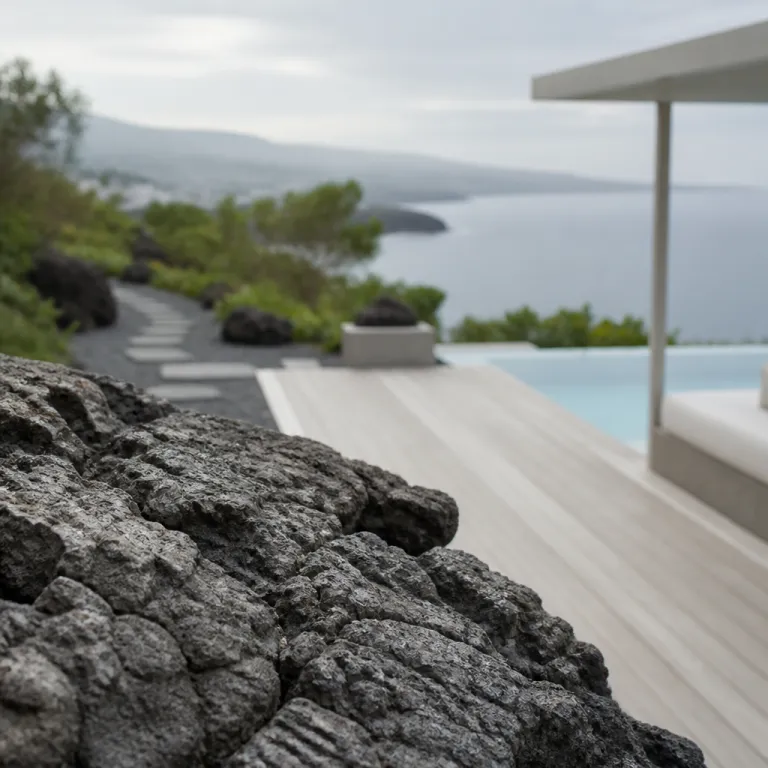
Why luxury travelers are drawn to hiking on Hawaiʻi’s Big Island
Exploring the Big Island of Hawaiʻi on foot appeals to travelers who want refined comfort paired with raw nature. On this island the contrast between a chilled infinity pool and a steaming lava crater creates a rare sense of drama that feels both intimate and grand. The result is a destination where a morning walk along a coastal trail flows naturally into sunset cocktails on a sand beach terrace.
Luxury guests often ask which island hikes pair best with premium hotels, and the answer depends on how you like to balance effort, scenery, and service. Some travelers want the best access to Hawaiʻi Volcanoes National Park, while others prefer a base near a calm beach and a short road transfer to kid friendly routes. When you plan carefully you will enjoy outings rich in views and variety without sacrificing spa time, fine dining, or privacy.
The Big Island offers more than 150 miles of managed trail networks between Hawaiʻi Volcanoes and state park systems, so choice is never an issue. Hawaiʻi Volcanoes National Park alone manages over 150 miles of paths that cross lava fields, native forest, and crater rims, which makes it ideal for guests who want multiple excursions from a single luxury base. With the right itinerary your Big Island stay becomes a curated sequence of national park walks, coastal valley viewpoints, and beautiful waterfall visits.
Signature volcanic trails near luxury stays in Hawaiʻi Volcanoes National Park
For many travelers the most memorable Big Island hiking experiences unfold inside Hawaiʻi Volcanoes National Park. Here the Kīlauea Iki trail (about 4 miles / 6.4 km round trip, roughly 2–3 hours, with around 400 feet / 120 m of elevation change) leads across a cooled lava lake, with the crater rim rising around you like a natural amphitheater that glows at sunrise and softens at dusk. A short 10–20 minute drive along the park road from high end lodges outside the entrance allows you to time this hike for the quietest hours.
Park rangers and local guides emphasize safety and context for every outing, and their advice is especially valuable when you explore active volcanic landscapes. Official guidance notes that Kīlauea Iki, Mauna Iki (a longer backcountry route that can take 6–8 hours), and segments of the Ala Kahakai National Historic Trail rank among the best options for varied terrain and cultural depth. When you stay in a premium property nearby you will often have concierge teams who coordinate guided hikes, arrange transfers, and ensure you carry sufficient water and sturdy boots.
Guests who want gentler elevation gain can follow sections of the Crater Rim Drive area, where short walks of 0.5–1.5 miles (30–60 minutes) reveal steam vents, native plants, and wide views without technical challenges. Those seeking more demanding adventures can combine longer routes across older lava flows with visits to Thurston lava tubes, supported by private drivers arranged through their hotel. For deeper context on underground formations many luxury travelers consult specialist resources on lava tubes on the Big Island before booking a private volcanologist led excursion.
Coastal valleys, waterfalls, and refined retreats along the north and east coasts
Not every Big Island itinerary revolves around lava and crater landscapes, because the island’s north and east coasts offer lush alternatives. The Pololū Valley lookout, for example, frames a beautiful black sand beach below steep cliffs, and a short but steep path of roughly 0.6 miles / 1 km each way drops from the ridge to the shore in about 25–40 minutes. With thoughtful planning you will enjoy this valley hike early, then return to a luxury suite where ocean facing daybeds and chilled drinks await.
Further south along the Hāmākua coast, Akaka Falls State Park provides one of the most accessible routes for guests staying in premium resorts near Hilo. A paved loop trail of about 0.4 miles / 0.6 km winds through bamboo and ferns to viewpoints over Akaka Falls and nearby cascades, making it a kid friendly outing that still feels dramatic. Many high end hotels arrange 20–30 minute timed transfers so you avoid crowds and can pair the falls with a leisurely lunch overlooking the water back at your property.
Travelers who want a multi day sequence of walks focused on scenery often combine Pololū Valley, Akaka Falls, and coastal sections of the Ala Kahakai National Historic Trail. This national historic shoreline route links cultural sites, small coves, and stretches of sand beach, and it works beautifully with luxury stays positioned along the Kohala and Kona coasts. For curated lodging ideas that sit directly on or near these hiking corridors, many refined adventurers consult dedicated guides to luxury stays along Big Island hiking trails before finalizing their bookings.
Designing a luxury base for hiking around Kona, Captain Cook, and green sand shores
The Kona and South Kona regions suit travelers who want Big Island hiking experiences balanced with calm seas, coffee farms, and polished resort life. Around Captain Cook, upscale guesthouses and villas sit within a short 10–25 minute drive of coastal paths that trace lava benches above clear water frequented by dolphins. After a morning outing you will often return to private plunge pools, in room massages, and chef prepared lunches featuring local produce.
South of Kona, the journey to Papakōlea’s green sand beach is one of the island routes that adventurous luxury guests frequently request. The route follows a rough coastal road and windswept track of about 2.5 miles / 4 km each way (allow 2–3 hours total walking time) to a hidden bay where olivine crystals tint the sand a distinctive olive hue. Because the sun is intense and shade is scarce, premium hotels typically recommend early departures, ample water, and sometimes arrange private vehicles to shorten the approach hike.
Families seeking kid friendly options near Kona can choose shorter walks long on views rather than distance, such as coastal paths near Kekaha Kai State Park or gentle sections of the Ala Kahakai corridor. Many luxury resorts in this area maintain close relationships with certified local guides who tailor each route to your fitness level and interests. When you combine these guided outings with spa treatments and curated dining, your Big Island stay feels both active and indulgent.
Cultural depth on the trail: heiau, historic routes, and valley stories
For discerning travelers, hiking on Hawaiʻi Island is as much about culture as scenery, and the island’s sacred sites add a powerful dimension. Trails that pass near heiau, the traditional Hawaiian temples, invite respectful pauses and often pair well with expert led interpretation from cultural practitioners. One example is a coastal heiau complex near the Kohala shoreline, where a nearby path can be woven into a broader itinerary that explores stories of chiefs, navigation, and land stewardship.
The Ala Kahakai National Historic Trail is central to this cultural layer, because it follows ancient coastal routes that once linked fishing villages, shrines, and agricultural terraces. When you stay in a luxury property along the Kohala or Kona coast, concierge teams can arrange guided walks on selected segments of this national historic corridor. These curated outings rich in narrative context transform a simple beach walk into a journey through Big Island history, complete with explanations of lava formations, native plants, and traditional fishing techniques.
Valleys such as Pololū and Waipiʻo also carry deep cultural resonance, and many high end operators now partner with local families to offer respectful access. Guests often describe these valley hikes as some of the most beautiful on the Big Island, not only for the waterfalls and black sand beach views but for the stories shared along the way. When your hotel prioritizes such partnerships you will support community based tourism while enjoying rare insight into the living culture of Hawaiʻi.
How to choose the right luxury hotel for a hiking focused Big Island stay
When your priority is exploring trails on the Big Island, the first decision is whether to base yourself near Hawaiʻi Volcanoes National Park, the Kohala coast, or to split time between both. A stay near the national park places you close to Kīlauea Iki, the Crater Rim area, and other volcanoes national highlights, which is ideal if you want multiple days on lava terrain. Coastal luxury resorts, by contrast, offer immediate access to beach relaxation, calm water for swimming, and easy transfers to valley walks and shoreline routes.
Evaluate each property’s hiking support just as carefully as you would its spa or dining credentials, because the best hotels for active travelers provide more than a map at reception. Look for concierge teams who can secure national park permits when required, arrange private guides, and schedule transfers that match your preferred trail start times. Many leading properties also coordinate with Hawaiʻi State Parks and local tour companies to ensure that excursions with a strong sense of adventure remain safe, sustainable, and aligned with cultural protocols.
Luxury travelers who value wellness often choose hotels that integrate trail access into broader health programs, pairing morning hikes with yoga, hydrotherapy, and nutrient focused cuisine. For inspiration on properties that excel at this balance, curated resources on Big Island luxury spa hotels and wellness escapes can be especially useful. When you align your hotel choice with your preferred mix of elevation gain, scenery, and post hike pampering, your Big Island journey feels both seamless and deeply restorative.
Key figures and practical statistics for luxury hiking stays on the Big Island
- Hawaiʻi Volcanoes National Park manages over 150 miles of hiking trail, which allows luxury travelers to plan several days of varied hikes without repeating routes (source: National Park Service, Hawaiʻi Volcanoes National Park).
- Morning hikes are generally recommended across the island because trade wind patterns often bring localized showers in the afternoon, which can reduce visibility on crater rims and coastal cliffs (source: National Weather Service, Hawaiʻi region).
- Many signature trails near Kīlauea Iki and the Crater Rim area involve moderate elevation gain, so hotels commonly advise guests to carry at least 1.5 liters of water per person for half day hikes (source: Hawaiʻi Volcanoes National Park safety guidelines).
- Eco tourism has grown steadily on the Big Island, with guided hikes and cultural tours forming a significant share of premium adventure bookings in recent years (source: Hawaiʻi Tourism Authority visitor reports).
FAQ about luxury hiking experiences on Hawaiʻi’s Big Island
What are the best hiking trails on the Big Island for luxury travelers ?
For guests staying in high end properties, Kīlauea Iki, selected Crater Rim segments, and Mauna Iki inside Hawaiʻi Volcanoes National Park offer dramatic lava and crater scenery within a manageable drive. Along the coast, Pololū Valley, Akaka Falls State Park, and sections of the Ala Kahakai National Historic Trail combine beautiful views with relatively short access from premium hotels. These options allow you to enjoy hikes with strong visual impact while preserving ample time for spa treatments and fine dining.
Is hiking on the Big Island suitable for beginners and families ?
Yes, the island offers many kid friendly routes with modest elevation gain and clear signage, especially in state parks and around Akaka Falls. Paved or well graded paths near lookouts, waterfalls, and some sand beach areas work well for families who want shorter outings. Luxury hotels often coordinate with local guides to match each trail to your group’s fitness level and interests.
Are guided hiking tours available from luxury hotels ?
Guided tours are widely available, and many premium properties partner with certified local operators and park rangers. These guides provide cultural context, manage logistics inside the national park, and help you navigate changing conditions on lava fields or coastal cliffs. When your concierge arranges such hikes you will benefit from tailored pacing, safer route choices, and insider access to less crowded viewpoints.
How should I prepare for hiking while staying in an upscale resort ?
Even when you return to a five star suite, the trails themselves demand proper preparation, including sturdy footwear, sun protection, and sufficient water. Check weather forecasts each morning, because conditions around crater rims and valleys can shift quickly. Most luxury hotels on the Big Island provide daypacks, reusable bottles, and detailed briefings so your hikes with expansive views remain comfortable and safe.
Can I combine beach relaxation, cultural visits, and national park hikes in one trip ?
Combining all three is not only possible but highly recommended for a balanced Big Island itinerary. Many travelers split their stay between a coastal resort near a beautiful beach and a lodge close to Hawaiʻi Volcanoes National Park. This approach lets you enjoy valley walks and lava landscapes, visit cultural sites such as heiau and historic trails, and still spend unhurried days by the water.
References
- National Park Service – Hawaiʻi Volcanoes National Park
- Hawaiʻi State Parks – Island of Hawaiʻi trail information
- Hawaiʻi Tourism Authority – Visitor statistics and activity reports