Hawaii’s green fee for Big Island visitors, explained in real numbers
On the Big Island, the new Hawaii green fee for visitors quietly reshapes how a luxury vacation supports the land. The hawaii green fee 2026 big island visitors measure adds a 0.75 percent tax to every night you book in a hotel, resort or high end vacation rental, sitting on top of the existing accommodations tax that already applies across the state. When you plan a hawaiian vacation with a five night stay in a suite priced at 1 000 dollars per night, that green fee will add roughly 37 dollars to your total trip cost, while the broader lodging tax structure still represents the larger share of what you pay.
For an executive extending a business trip hawaii style into leisure time, this is not just another fee on the folio but a line that directly reflects your climate impact on the island. Imagine a hawaii vacation where your 10 night stay in a Kohala Coast resort at 1 500 dollars per night generates more than 110 dollars in hawaii green fee contributions, while the combined state and county accommodations tax still runs several times higher on the same bill. When you read your confirmation before visiting hawaii, you will now see the green fee itemized alongside resort charges, flights details and any prebooked island tour experiences, making the cost of stewardship visible in a way that aligns with World Tourism Day’s focus on responsible travel.
Luxury travelers often ask whether this fee will change how they book their hawaii trip or choose between islands. In practice, the hawaii green fee 2026 big island visitors policy is calibrated to be small enough that it does not distort decisions between a vacation rental in Waikoloa, a high floor suite in Kona or a rainforest lodge near Volcano, yet large enough at scale to raise roughly 100 million dollars each year across the islands. When you are planning trip details with your travel advisor, the incremental green fee on a premium stay is usually less than the cost of a single airport transfer, but it carries a different kind of value for the island itself.
Where your green fee goes, from lava coastlines to storm ready towns
The hawaii green fee 2026 big island visitors program is designed so that every extra tax dollar from your stay flows into environmental stewardship and resilience rather than general spending. Funds are earmarked for projects such as beach replenishment along eroding stretches of coast, reef and watershed restoration in sensitive hawaiian ecosystems, and storm hardening infrastructure that protects communities when the Pacific reminds the state who is in charge. On the Big Island, that can mean reinforcing coastal roads near lava fields, improving trail systems in volcanic parks and supporting programs that monitor how tourism affects fragile marine life over time.
For travelers who care about climate impact, this is where the hawaii green fee 2026 big island visitors policy becomes more than a line item. When you book an island tour with a regenerative operator, your guide may point out dune systems or coral gardens that benefit from the same pool of hawaii green funding that your stay helped create, while local agencies coordinate projects across islands to ensure that the aloha spirit extends to future generations. The fee will never replace the need for private philanthropy or hotel led initiatives, yet it anchors a predictable stream of support that planners can count on when designing long term protections for shorelines, trails and cultural sites.
There is an honest debate on whether this green fee is enough, especially as visiting hawaii becomes more popular and hawaii vacations stretch into longer stays with higher resource use. Some residents argue that the fee will need to rise over time to match the real cost of tourism’s footprint, while others worry that stacking another tax on top of existing charges could eventually deter price sensitive visitors from a hawaii trip. For luxury guests, the more relevant question is how to align your own spending with the same goals, choosing properties that already invest in low impact design, such as those profiled in this guide to hotels designed to disappear into the Big Island landscape, where architecture respects the ahupuaʻa rather than dominating it.
How to make your Big Island stay part of the solution
Paying the hawaii green fee 2026 big island visitors charge is the baseline, not the finish line, for responsible luxury travel. On the ground, your choices about where you stay, which hawaii tours you book and how you move around the island can either amplify or dilute the positive effect of that green contribution. Start with your hotel selection, favoring properties that publish clear sustainability reports, track their own climate impact and work with local communities rather than operating as sealed off enclaves.
Once you arrive, think of every island tour or private excursion as a chance to support operators who treat the hawaiian environment as a partner rather than a backdrop. A manta ray night snorkel run by a company that limits group size and uses dimmer, wildlife sensitive lighting has a very different footprint from a high volume operation, even if both contribute the same hawaii green fee through guest lodging. When you plan a day trip hawaii style from the Kohala Coast to Mauna Kea or down to the lava fields, choose guides who explain how the state manages visitor numbers, why certain trails close during sensitive seasons and how your fee will help maintain those systems over time.
Small habits matter as well, especially around the ocean where the islands feel most vulnerable. Switching to reef safe sunscreen that complies with local rules, as outlined in this detailed guide to reef safe practices on the Big Island, protects coral ecosystems that the green fee also aims to restore, while choosing reusable bottles and avoiding single use plastics reduces pressure on island waste systems. When you read pre arrival emails from your hotel, look for invitations to join beach cleanups, native planting days or cultural tours that explain how traditional ahupuaʻa management balanced water, land and ocean long before the concept of a modern vacation existed.
Reframing a tax as participation in World Tourism Day’s spirit
World Tourism Day arrives each September as a reminder that every trip carries both privilege and responsibility, and the hawaii green fee 2026 big island visitors policy fits squarely into that conversation. For a business leisure traveler landing on the Big Island after back to back flights and meetings, the shift happens when you see the green fee not as a penalty for visiting hawaii but as your ticket into a more thoughtful relationship with the island. That perspective turns the moment you book your suite, arrange a vacation rental car and line up hawaii tours into a quiet act of alignment with the aloha values that underpin the state’s approach to tourism.
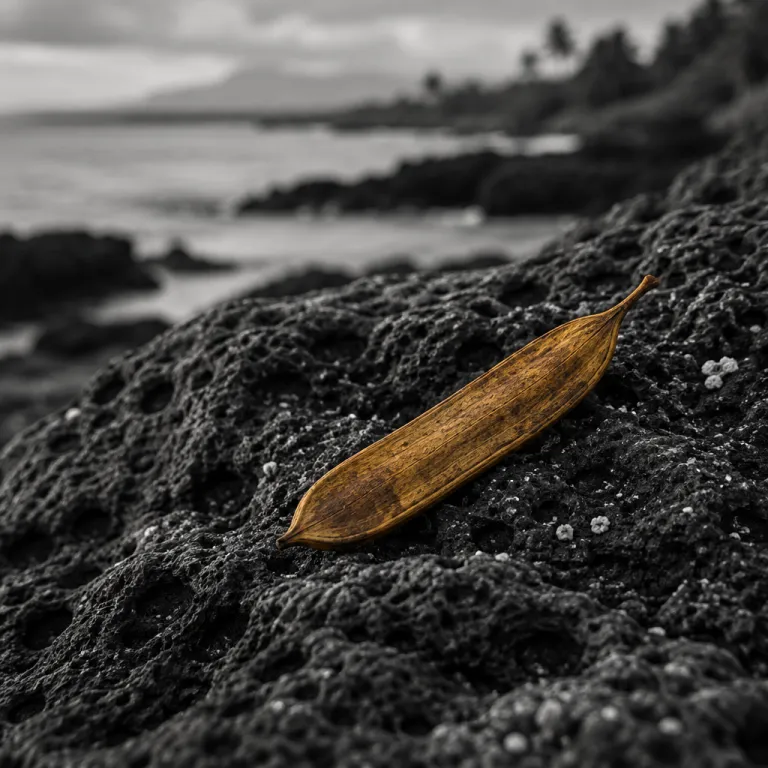
Think of it this way, especially if you have already walked the paths around Diamond Head or stood in silence at Pearl Harbor on earlier hawaii trips. Those iconic sites on other islands remind you that place and history are inseparable, while the Big Island adds geology and raw landscape to the equation, and the hawaii green fee 2026 big island visitors framework simply prices that reality into your stay. When you carve out time hawaii style between calls to sit on the lava rock at sunset, you are enjoying a view that public and private investments must continually protect from erosion, storms and overuse, and the fee will help fund that work long after your vacation ends.
For many readers, the most practical step is to integrate this thinking into the earliest stages of planning trip details. When you compare oceanfront suites on the Kohala Coast, use resources such as this curated guide to elegant oceanfront stays in Kona to find properties whose sustainability commitments match the intent behind the hawai green policy, then pair that with direct questions about how your fee will be used locally. Over time, as more guests ask these questions and align their spending with regenerative practices, the hawaii vacations market will reward hotels and tour operators that treat the green fee as a floor for action rather than a ceiling, creating a virtuous loop between tax policy, guest expectations and on the ground results.
FAQ
How much does Hawaii’s green fee add to a luxury Big Island stay ?
The hawaii green fee 2026 big island visitors measure adds 0.75 percent to each night of your lodging cost, on top of existing state and county accommodations tax. On a five night stay priced at 1 000 dollars per night, that means roughly 37 dollars in total green fee contributions. For most luxury travelers, this is a small fraction of the overall hawaii trip budget but a meaningful sum when multiplied across all visitors.
Is the green fee charged on vacation rentals as well as hotels ?
Yes, the hawaii green fee 2026 big island visitors policy applies to most forms of paid lodging, including traditional hotels, resorts and legally permitted vacation rental properties. When you book a villa or condo through a compliant platform, the fee will appear alongside the accommodations tax on your invoice. Always read the breakdown carefully so you understand which charges are nightly taxes and which are cleaning or service fees.
Can I choose how my green fee contribution is used on the Big Island ?
Individual guests cannot earmark their own hawaii green fee 2026 big island visitors payments for specific projects, because funds are pooled at the state level and allocated through established programs. However, you can ask your hotel which local initiatives they support that align with the same environmental goals. You can also direct additional donations or volunteer time toward organizations working on reefs, trails or cultural sites that matter to you.
Does paying the green fee mean my trip is sustainable by default ?
Paying the hawaii green fee 2026 big island visitors charge is a starting point, not a full sustainability strategy. Your choices about flights, ground transportation, hotel energy use and tour operators still shape your overall climate impact. To travel more responsibly, combine the fee with lower impact habits, from reef safe sunscreen and reduced plastic use to supporting regenerative island tour companies.
Will the green fee change how I should plan a business leisure stay ?
For most executive travelers, the hawaii green fee 2026 big island visitors policy will not significantly alter the financial side of planning trip details, because the percentage is modest compared with overall lodging costs. Where it should change your approach is in how you select properties and experiences, favoring those that clearly support environmental and cultural stewardship. Treat the fee as a reminder to align your hawaiian vacation choices with the long term health of the Big Island you have come to enjoy.