Designing a hawaii big island family vacation summer around the coast
Summer on Hawaiʻi Island rewards families who plan around the coast. For a refined Big Island family beach holiday, think less checklist sightseeing and more slow mornings where kids move between tide pool and pool without watching the clock. This relaxed way of structuring a Big Island trip suits the volcanic scale of Hawaiʻi, where distances are real and every beach tells a different lava story.
The Kohala Coast is the most reliable base for a family-friendly stay, with dry weather, sheltered beaches and a concentration of luxury hotels and resorts that understand what traveling with kids actually means. Here, a beachfront resort with a generous pool complex is not a splurge but a practical decision, because the right pool keeps children happy on those afternoons when the trade winds roughen the water along the beaches. When you choose a beach hotel on the Kohala Coast, you are also buying shorter drives to golf course tee times, cultural activities in nearby villages and sunset walks where the lava meets the sea.
On the leeward side of the Hawaiian Islands, the best family bases cluster around Waikoloa Beach and the stretch between Mauna Lani and Mauna Kea. Each resort along this coast sits on its own pocket of sand or lava shelf, so the feel of every beach and each pool is different, and that matters when you are traveling with kids of different ages. Before you book any hotel, map driving times to Hawaiʻi Volcanoes National Park (roughly 2.5 to 3 hours from the Kohala Coast), the nearest beach park, and at least one green sand or black sand beach, because the Big Island rewards families who balance pool days with elemental excursions.
Families focused on premium comfort often start with Mauna Lani, Mauna Kea and the Westin Hapuna, three names that anchor the luxury conversation on Hawaiʻi Island. Mauna Lani offers a calm bay, strong cultural activities and easy access to sheltered snorkeling, while Mauna Kea fronts the celebrated Kaunaʻoa (Kea) Beach with its classic crescent of white sand and clear water. Westin Hapuna sits above Hapuna Beach, where the long shore break softens in summer and creates some of the best conditions for confident kids who want to body surf under watchful parents.
When you compare these hotels and resorts, think in terms of how your family actually uses space. Do your kids live in the pool from breakfast to sunset, or will they want to visit tide pools, hike in a national park and chase waterfalls between lazy beach days? Your answer should guide whether you choose a compact beach hotel with an intimate pool or a large resort with multiple pools, a kids club and easy access to both beaches and inland activities.
For deeper coast-by-coast nuance, many premium travelers use a resource like the dedicated guide to new luxury openings and refreshes along the Kohala Coast. That kind of detail matters when you are deciding between a freshly renovated suite above Waikoloa Beach and a classic room overlooking Kaunaʻoa or Hapuna Beach. On a Big Island family summer vacation, the right decision can mean the difference between kids begging to leave the pool and kids begging to stay one more night.
Volcanoes, Junior Ranger badges and cool air after the beach
Hawaiʻi Volcanoes National Park is the gravitational center of any serious Big Island family itinerary. Children respond instinctively to the scale of the crater, the smell of sulfur on the wind and the knowledge that this island is still being built under their feet. The park’s elevation also brings a welcome temperature drop after days on the hot coast, so pack layers even if you left your beach hotel in bright sun. As of 2024, the park is generally open 24 hours a day, every day of the year, with a standard private vehicle entrance fee of about $30 valid for seven consecutive days.
The Junior Ranger program at Hawaiʻi Volcanoes National Park turns that raw geology into a structured adventure for kids. Rangers hand out a Junior Ranger handbook at the visitor center, and children complete age-appropriate activities before taking a short pledge and receiving a badge, which transforms the visit from passive sightseeing into a story they retell for years. According to the National Park Service, the program is designed primarily for children ages 5 to 13, and on the Big Island it becomes a natural centerpiece for school-age travelers.
For younger kids, focus on short, high-impact walks such as the Thurston Lava Tube and Devastation Trail. The lava tube feels like a secret tunnel carved through the island, while Devastation Trail shows how life slowly returns after an eruption, and both routes are manageable even for small legs when you time them for early morning or late afternoon. Families with older children can add viewpoints over the caldera and ranger-led talks, then retreat to their resort pool on the Kohala Coast before sunset.
Logistics matter here, because the drive from the Kohala Coast or Waikoloa Beach area to the national park is long. Many families break the journey with a stop at a waterfall such as ʻAkaka Falls or a swim at a Hilo-side beach park, turning a single long drive into a day of varied activities. If you are staying on the Hilo side for a night, Carlsmith Beach Park offers protected water and tide pools that are genuinely family friendly, especially when you bring snorkeling gear and reef-safe sunscreen.
Summer demand for family rooms near the park is strong, so secure your hotel or resort booking well in advance. Some families choose to keep their main base at a west coast beach hotel and add a one-night stay closer to the park, which reduces backtracking and lets kids rest between hikes. Others prefer to make a single long day trip, returning to their familiar pool and room on the Kohala Coast after dark.
If you are weighing these options, consult a detailed itinerary resource such as the refined guide from Kona to the park, available through a coast-to-crater luxury planning article. That kind of planning support helps you decide whether to pair your Big Island family vacation with a single volcano day or a deeper immersion in the cooler uplands. Either way, the combination of beach, crater and Junior Ranger badge becomes the narrative spine of your trip.
Beaches, tide pools and pools that earn their resort rates
On a Big Island family summer holiday, you will spend more hours near water than anywhere else. The question is how to balance wild beaches, sheltered tide pools and the engineered perfection of a resort pool so that kids stay engaged and parents stay relaxed. Think of each day as a gentle arc from ocean to pool and back again, with naps and snacks as your only fixed appointments.
Hapuna Beach on the Kohala Coast is the archetypal family beach, a long arc of pale sand with usually manageable summer surf and clear water. Families staying at Westin Hapuna or nearby hotels and resorts can walk down from their room to the sand in minutes, which makes it easy to retreat to the pool when the sun peaks or the kids tire of the shore break. For many premium travelers, that seamless shift between beach and pool is the reason they choose a beach hotel here rather than a more remote villa inland on Hawaiʻi Island.
Mauna Kea’s Kaunaʻoa Beach offers a slightly more intimate version of the same experience, with a classic crescent of sand and excellent swimming when conditions are calm. Guests of Mauna Kea enjoy direct access, while families staying at Mauna Lani or Waikoloa Beach resorts often make a day trip, timing their visit for morning before parking fills. If your kids are strong swimmers, this can be one of the best places on the Big Island for them to feel the open ocean in a controlled way.
For younger children or cautious swimmers, look for beach park locations with natural protection. ʻAnaehoʻomalu Bay at Waikoloa Beach has typically gentle water and easy entry, while Carlsmith Beach Park near Hilo offers lava-framed pools where kids can float and watch fish without dealing with surf. These spots are especially valuable on a Big Island family vacation in summer when trade winds can roughen more exposed beaches by afternoon.
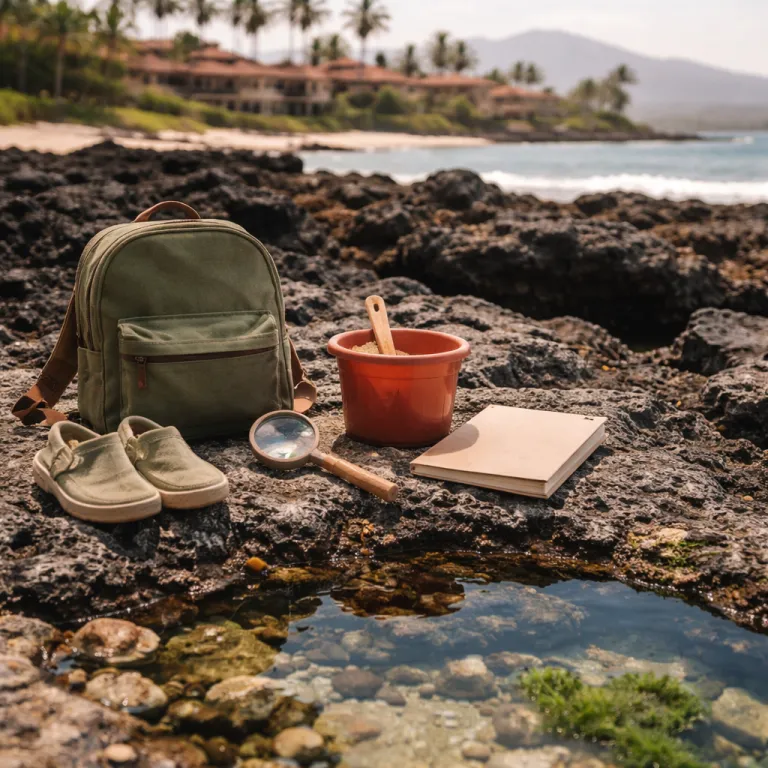
Tide pool exploration is one of the quiet highlights of the Big Island family experience. Along the Kohala Coast and near Hilo, shallow pools form in the lava, creating micro worlds where kids can observe urchins, small fish and crabs at eye level, and this kind of slow looking often stays with them longer than a fast snorkel. Are tide pools safe for children? Yes, with supervision and proper precautions, including checking local tide charts from trusted marine or weather services and avoiding days with strong swell.
Back at the resort, the pool becomes your default afternoon and evening setting. When you evaluate hotels and resorts for a family-friendly stay, look beyond the headline slide and ask how many shallow areas there are, whether the pool is heated and how easy it is to order simple food without committing to a full restaurant meal. A thoughtful pool design can turn a good Big Island family beach vacation into a great one, because it gives kids independence within a clearly defined, supervised space.
Some families also weave in day trips to more dramatic coastal sites such as the green sand beach at Papakōlea or the black sand turtle habitat at Punaluʻu. At Punaluʻu, remember that local guidelines ask you to keep at least 3 metres, roughly 10 feet, from any turtle resting on the sand, and to treat the beach as the animals’ home rather than a backdrop. These more rugged beaches are not always ideal for swimming with kids, but they deepen your sense of the island and balance the polished edges of resort life.
To decide where to base yourself for this mix of beaches, tide pools and pools, consult a coast-specific accommodation overview such as the coast-by-coast breakdown of where to stay on the Big Island. Matching your family’s water comfort level with the right stretch of coast is one of the most important choices you will make. Get that right, and the rest of the itinerary tends to fall into place.
Practical family logistics: driving, meals and making room for spontaneity
A Big Island family vacation in summer works best when you respect the island’s scale. This is the largest Hawaiian island by far, and driving from the Kohala Coast to Hilo or the national park is a genuine journey, not a quick hop, so plan your days around clusters of activities rather than zigzagging. That approach keeps kids out of the car for long stretches and leaves more time for the pool, the beach and unhurried meals.
Renting a car is non-negotiable for most families, and you should reserve child seats in advance rather than assuming availability at the counter. When you map your routes, remember that coastal roads can be slower than they look on a screen, and that a stop at a waterfall such as ʻAkaka Falls or a swim at a beach park can turn a necessary transfer into a highlight. Many parents structure their week so that volcano and waterfall days alternate with pure resort days, giving kids time to reset between big excursions.
Meal planning is another area where a little forethought pays off. Luxury resorts on the Kohala Coast, at Waikoloa Beach, Mauna Lani and Mauna Kea offer polished dining, but children do not always want a long restaurant dinner after a full day in the water, so look for properties with casual options, grab-and-go counters or in-room dining that does not feel like an afterthought. Stocking your room with simple breakfast items and snacks also helps you get out the door early for national park visits or tide pool mornings without waiting for a table.
When you choose between hotels and resorts, pay attention to how genuinely family friendly the property feels. Some luxury hotels welcome kids in theory but design their public spaces and pool rules around adults, while others integrate children into the rhythm of the resort with early dinner seatings, kids menus that respect local ingredients and cultural activities that invite the whole family to participate. On a Big Island family beach vacation, that difference can be as important as the thread count on the sheets.
Travel insurance, flexible booking policies and clear cancellation terms matter more than ever for premium families. You are often committing to high nightly rates at a beach hotel or resort, and knowing you can adjust dates if a child falls ill or a flight changes reduces stress before you even land on Hawaiʻi Island. Use online reservations tools to track rate changes, but book direct when possible for better room assignment and loyalty benefits.
Finally, leave space in your schedule for the unplanned. A pod of dolphins off the Kohala Coast, an impromptu ʻukulele lesson in a hotel lobby, or a late afternoon return to a favorite beach park can become the moments your kids remember long after the Junior Ranger badge and the resort wristbands are tucked away. The best Big Island family itineraries hold their structure lightly, allowing the island to set the final rhythm.
FAQ
What is the Junior Ranger program at Hawaiʻi Volcanoes National Park?
The Junior Ranger program at Hawaiʻi Volcanoes National Park is a structured activity series for children, built around a printed handbook they complete during their visit. Kids learn about geology, native species and park safety, then take a short pledge with a ranger and receive a badge as a tangible memory. It turns a standard sightseeing stop into an engaging mission that anchors a Big Island family vacation around the volcano experience.
Are tide pools on the Big Island safe for children?
Tide pools on the Big Island can be safe for children when adults supervise closely and choose sheltered locations. Look for calm, shallow pools at places such as Carlsmith Beach Park or other protected coves on the Kohala Coast, and always wear reef-safe sunscreen and water shoes to protect both skin and marine life. Check tide charts from reliable local sources, avoid days with strong surf and treat every pool as a living habitat rather than a playground.
Which Big Island beaches work best for families with kids?
Hapuna Beach and Kaunaʻoa (Kea) Beach on the Kohala Coast are among the best options for families, thanks to their wide sand, generally manageable summer conditions and proximity to resorts such as Westin Hapuna and Mauna Kea. ʻAnaehoʻomalu Bay at Waikoloa Beach offers gentler water and easy entry, which suits younger kids or cautious swimmers. For wildlife-focused outings, Punaluʻu’s black sand and turtle viewing are memorable, though it is not usually the right place for small children to swim.
How far is Hawaiʻi Volcanoes National Park from the Kohala Coast resorts?
Driving from major Kohala Coast resorts near Waikoloa Beach, Mauna Lani or Mauna Kea to Hawaiʻi Volcanoes National Park typically takes several hours each way, often around 2.5 to 3 hours depending on traffic and chosen route. Many families turn the journey into a full day by stopping at waterfalls such as ʻAkaka Falls or at a Hilo-side beach park for a swim. Because of the distance, some travelers add a one-night stay closer to the park, while others accept a long but rewarding day trip anchored by the Junior Ranger program.
What kind of accommodations are most family friendly on the Big Island?
Family-friendly accommodations on Hawaiʻi Island usually combine direct or easy access to a beach, a well-designed pool and flexible dining options. Luxury resorts on the Kohala Coast and around Waikoloa Beach often provide the best mix of comfort and convenience, with kids clubs, cultural activities and room layouts that suit families. Various hotels and resorts cater to families with children, so focus on properties that explicitly welcome kids rather than those that simply tolerate them.